Nigeria’s PMI Rises To 54.4% In January Despite Surging Inflation

February 2, 2024
Nigeria’s Economic Woes Worsen As Investments From US, UK Wane

In a twist for Nigeria’s economic landscape, the latest statistics reveal a commendable 2.54% GDP growth rate in Q3 2023.

However, the real spotlight shines on January’s Stanbic IBTC Purchasing Managers’ Index (PMI) surge from 52.7 to an 54.4, marking the highest increase in over a year.

Directly attributing this spike to robust new orders and increased rates of output, all four major sectors showcased improvements, signifying the largest growth since April 2022.

Despite this positive momentum, the specter of inflation, fueled by exchange rate challenges and soaring transport and raw material costs, lingered. While January witnessed the sharpest rise in 21 months, signs of a slight easing emerged, with purchase prices seeing their softest increase in eight months.

A notable aspect of this economic narrative is the sluggish growth in new hires during January. Some companies reported challenges in paying staff, leading to a second consecutive monthly growth in outstanding business. Backlogs of work increased, albeit at a faster rate compared to December.

Remarkably, businesses intensified their purchasing activities, resulting in increased stocks of inputs. Faster deliveries from suppliers played a crucial role in aiding companies to procure necessary inputs for sustained growth.

The report also highlighted a consistent stance in staff costs from December, with businesses extending support to their employees, particularly in terms of transport.

On the pricing front, the report noted, “Matching the trend for input prices, the rate of output charge inflation remained elevated but eased to an eight-month low at the start of 2024.”

This multifaceted economic update underscores Nigeria’s resilience amidst challenges, presenting a nuanced perspective on the nation’s economic trajectory.


Emmanuel Ochayi
+ posts
$500m World Bank Loan: LCCI Highlights How Nigeria Can Reduce External Borrowing
Previous Story

Nigeria’s Forex Crisis Rooted In Weak Industrial Capacity – LCCI

Anambra Traders Ignore Sit-at-home Order Open Markets 
Next Story

Lagos Traders Battle Uncertainty As Government’s 14-Day Ultimatum Approaches

Featured Stories

Latest from Business News

Kenya Extends VAT Refund wait for Bad Debts to Three Years

Written by Amanze Chinonye Kenyan businesses will have to wait three years before applying for a value-added tax refund on qualifying unpaid debts, up from two years, under changes introduced by the Finance Act 2026, the Kenya Revenue Authority (KRA) said. The
cbn

CBN cuts MPR to 23% as MPC Recalibrates Policy Corridor

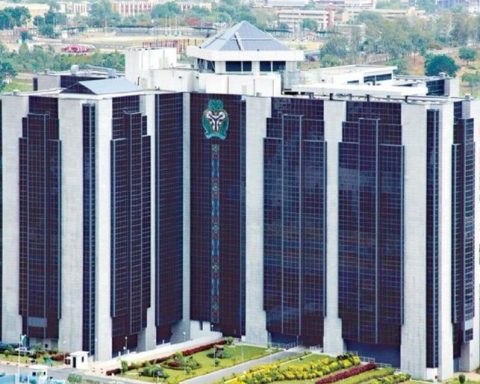
Written by Amanze Chinonye Nigeria’s central bank cut its benchmark interest rate by 350 basis points to 23% on Tuesday, while recalibrating the Standing Facilities Corridor as it adjusted its monetary policy implementation framework, Prime Business Africa reports.  Central Bank of Nigeria Governor

Ruto, Dangote Discuss Financing for $17 Billion Kenya Refinery Project

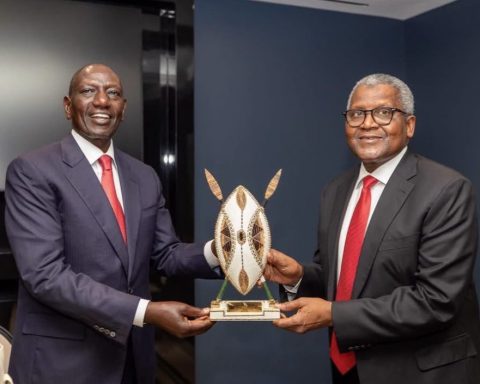
Written by Amanze Chinonye Kenyan President William Ruto met Nigerian industrialist Aliko Dangote and Africa Finance Corporation (AFC) President Samaila Zubairu in New York on Monday, September 21, 2026 to discuss financing and preparations for a proposed oil refinery in Kenya’s coastal Lamu

India-New Zealand Free Trade Agreement to Take Effect on Oct. 20

Written by Amanze Chinonye India and New Zealand’s free trade agreement (FTA) will take effect on Oct. 20, giving Indian exporters duty-free access to the New Zealand market and deepening economic ties between the two countries. India’s Minister of Commerce Piyush Goyal announced
$500m World Bank Loan: LCCI Highlights How Nigeria Can Reduce External Borrowing
Previous Story

Nigeria’s Forex Crisis Rooted In Weak Industrial Capacity – LCCI

Anambra Traders Ignore Sit-at-home Order Open Markets 
Next Story

Lagos Traders Battle Uncertainty As Government’s 14-Day Ultimatum Approaches

Don't Miss