PBA Reporter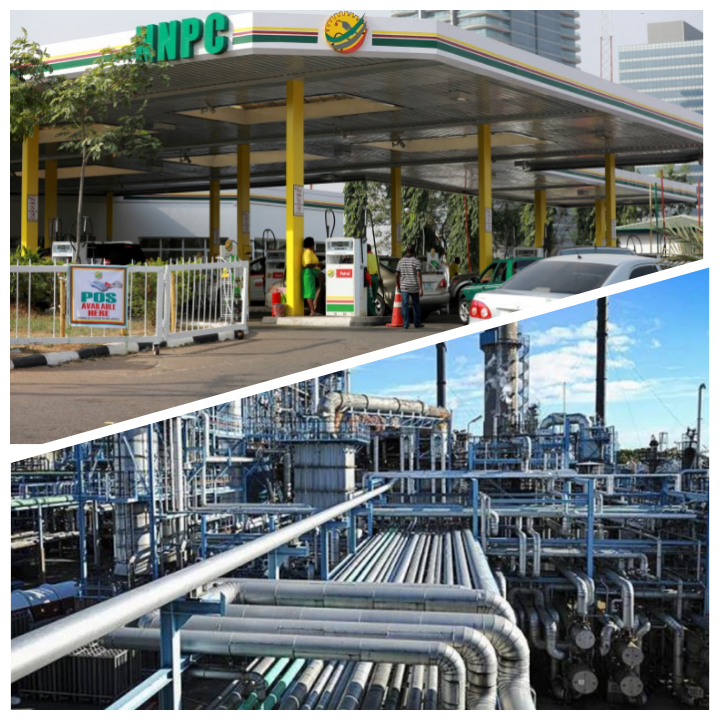
Zainab Ahmed, minister of finance, budget and national planning, has disclosed that the country’s low oil production cannot cover the cost of imported petrol from its oil and gas revenue.
Ahmed made this known in an interview with Reuters on the sideline of the World Economic Forum (WEF) in Davos.
Join our WhatsApp ChannelThe finance minister said the federal government hopes that oil production will average 1.6 million barrels per day (bpd) this year.
According to her, “We are not seeing the revenues that we had planned for. When the production is low it means we’re … barely able to cover the volumes that are required for the (petrol) that we need to import.”
This year, the federal government had budgeted 1.8 million bpd of production, but frequent crude theft and attacks on pipelines continue to affect the nation’s wealth.
In April, it asked the national assembly to drop the projected production volume to 1.60 million barrels per day.
Despite higher oil prices due to the Russia-Ukraine war, under-recovery costs, also known as petrol subsidy, continue to erode gains.
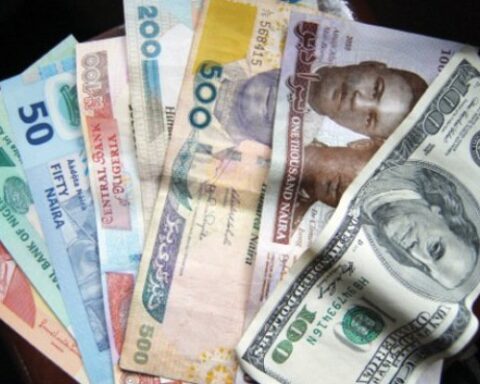
In the last four months, Nigeria has expended almost N1 trillion to cater for petrol import shortfall and will spend up to N4 trillion this year. This has also dwindled the federation revenue — just as the Nigerian National Petroleum Company (NNPC) Limited have been unable to remit any amount to the government purse this year.
On the recent hike of the monetary policy rate by the Central Bank of Nigeria (CBN), the minister said the move was necessary due to policy adjustments by the US Federal Reserve and central banks in Europe.

- PBA Reporter
- PBA Reporter
- PBA Reporter
- PBA Reporter
- PBA Reporter
- PBA Reporter
- PBA Reporter
- PBA Reporter
- PBA Reporter
- PBA Reporter
- PBA Reporter
- PBA Reporter
- PBA Reporter
- PBA Reporter
- PBA Reporter
- PBA Reporter
- PBA Reporter
- PBA Reporter
- PBA Reporter
- PBA Reporter
- PBA Reporter
- PBA Reporter
- PBA Reporter
- PBA Reporter
- PBA Reporter
- PBA Reporter
- PBA Reporter
- PBA Reporter
- PBA Reporter
- PBA Reporter
- PBA Reporter
- PBA Reporter
- PBA Reporter
- PBA Reporter
- PBA Reporter
- PBA Reporter
- PBA Reporter
- PBA Reporter
- PBA Reporter
- PBA Reporter
- PBA Reporter
- PBA Reporter
- PBA Reporter
- PBA Reporter
- PBA Reporter
- PBA Reporter
- PBA Reporter
- PBA Reporter
- PBA Reporter
- PBA Reporter
- PBA Reporter
- PBA Reporter
- PBA Reporter
- PBA Reporter
- PBA Reporter
- PBA Reporter
- PBA Reporter