 Emmanuel Ochayi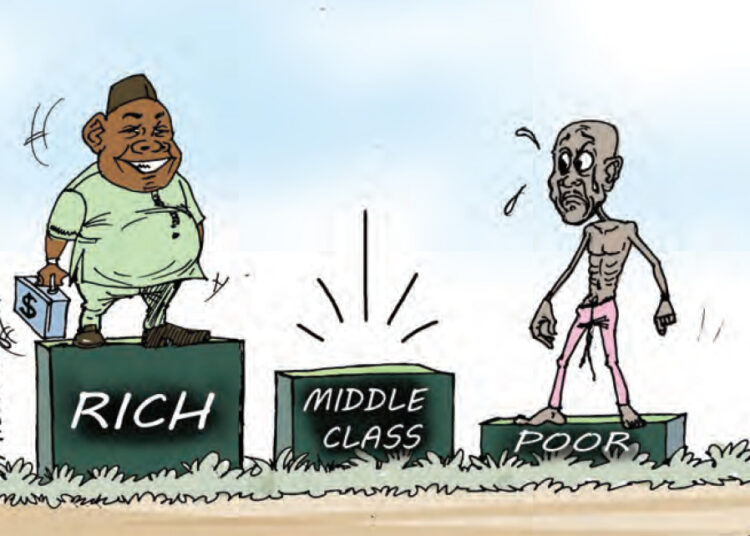
Nigeria’s Middle Class Faces Unprecedented Challenges
For years, Nigeria’s middle class has symbolised hope and economic stability. Today, it’s at risk. Rising costs, economic reforms, and recent policies have left this crucial group struggling.
Nigerians and experts share insights into how policy changes, like subsidy removals and rising inflation, have left the middle class vulnerable.
Join our WhatsApp Channel“We’re Just Trying to Survive”
One Lagos resident, Chidi Okoro, a school teacher, explains, “In the last year, my monthly expenses have doubled. Basic things like food and transportation are becoming luxuries. We’re no longer living; we’re just surviving.” His experience is one shared by millions. Once comfortably middle-income, many families now make difficult choices daily about what they can afford.
Another resident, Aminat Bello, a small business owner, says, “With rising rent, food stuffs, and electricity bills, I’m barely able to keep my shop open.” These issues impact middle-class Nigerians in all sectors, and many feel abandoned. “I wanted my children to have a stable education,” Amina adds, “but now I’m not sure I can afford school fees next year.”
Experts Warn of Middle-Class Collapse
Economists are alarmed by the situation. Chioma Okeke, an economist at a Lagos-based think tank, states, “A strong middle class is critical for economic stability. When they struggle, the entire economy feels the impact.” Okeke warns that if the middle class continues to shrink, Nigeria’s economic gap will widen, pushing more people into poverty.
Policy expert David Eze agrees. “The current policies, like the subsidy removal, are necessary, but without adequate social safety nets, they hurt the average Nigerian.” Eze highlights that the cost of essentials like transportation and food has soared since the subsidy’s removal, disproportionately affecting middle-income families. “A well-thought-out plan to support these families is critical,” he emphasizes.
Inflation Rates at Record Highs
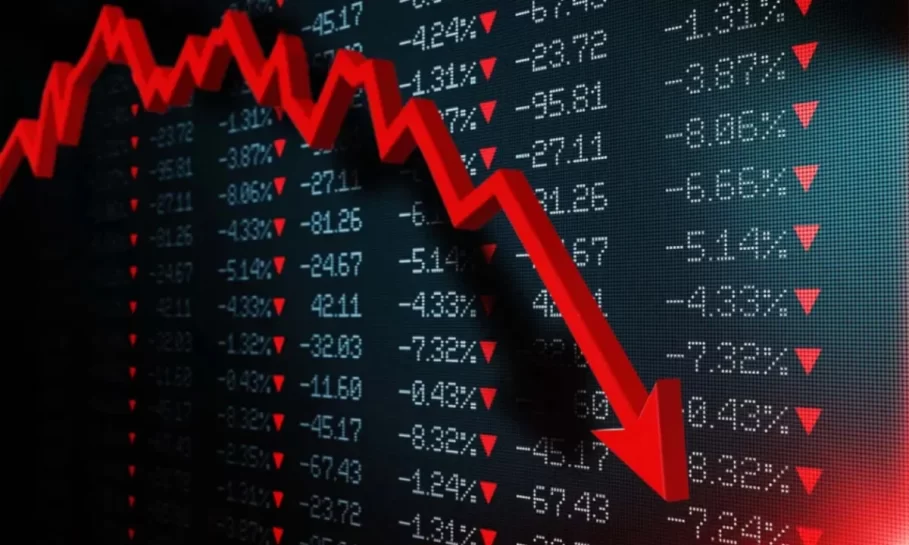
Inflation in Nigeria has reached 32.7 percent, marking one of the highest rates in decades. For families that were once stable, this shift means reduced purchasing power, and the impact has been drastic. Ngozi Adeyemi, a nurse explains, “What used to be enough to cover my family’s needs for the month now only lasts a week. Prices keep going up, and our salaries stay the same.”
READ ALSO: Economic Hardship: Beyond Prayers, Nigerians Call For Action
Many Nigerians like Adeyemi are feeling the effects of price hikes across the board. The cost of staples such as rice, bread, and even rent has skyrocketed, leaving the middle class financially strapped. “With the way things are going, more people in my neighborhood are cutting back on things like healthcare and education,” she adds.
Policy Changes Without Safety Nets
Many Nigerians argue that while reforms, like the subsidy removal, were meant to stabilize the economy, they were poorly executed. A lack of safety nets has only worsened the situation. In 2023, when the petrol subsidy was removed, Nigerians braced for higher prices. But with no accompanying support, families were left to face rising costs alone.
Emmanuel Obi, an IT specialist in Victoria Island, shares, “I supported the subsidy removal, but I thought the government would step in to help us adjust. Instead, everything became more expensive.” Obi had plans to save for his children’s future, but now he’s using those savings to cover daily expenses.
Calls for Policy Reform
As Nigerians continue to struggle, calls for policy reform grow louder. Okeke recommends targeted subsidies for essential goods and a comprehensive tax reform aimed at middle-income earners. “We need policies that support the working class, like affordable healthcare and education,” she explains. Without these reforms, experts fear the situation will continue to worsen.
Eze suggests a balanced approach, combining economic reforms with robust social support programs. “Policymakers need to recognize that the economic stability of the middle class is the foundation for a prosperous Nigeria,” he adds.
Hope Amidst the Challenges
Despite the grim outlook, Nigerians remain hopeful. Many are actively speaking out, calling for policies that protect the middle class. Olayinka, a civil servant, says, “We know it won’t be easy, but we can’t give up. Nigeria has too much potential to let its middle class disappear.”
For millions of Nigerians, the middle class represents a dream—a symbol of security and progress. Without urgent reforms, however, this dream could remain out of reach for many.