 Emmanuel Ochayi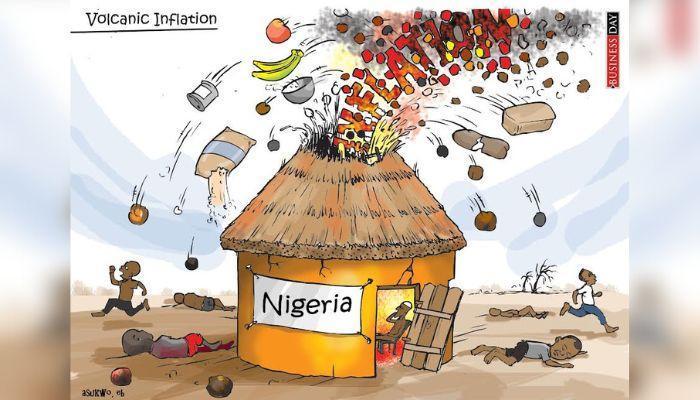
The Reality of Nigeria’s Inflation Rate on Daily Life
Nigeria’s inflation rate has been spiralling, and with it, the cost of living has become unbearable for many citizens. Beyond official figures, the realities at local markets, transportation hubs, and small businesses reveal a pattern of hardship and frustration.
From traders and transporters to business owners and everyday Nigerians, the cries for relief are widespread and heartfelt.
Join our WhatsApp ChannelMarket Women Struggle with Dwindling Sales
Market women, such as Mrs. Amina, a trader who sells pepper and tomatoes in Lagos, are struggling with the high cost of goods due to inflation. “I used to sell a rubber paint of tomatoes for N3,500, but now it’s N5,500, and still, it doesn’t cover my expenses,” she shared, shaking her head. “People don’t buy like they used to; they complain, and some just walk away.”
Another trader, Chinyere Emeka, has also felt the impact of inflation rate on her small vegetable stall. “Customers argue about prices every day,” she noted. “They say it’s too expensive, but it’s not my fault. I pay more to buy these things, and transport fees have doubled because of fuel.”
POS Operators Face Rising Transaction Fees
The hike in fuel prices has also affected POS operators, who are vital in communities where ATMs are scarce. John Adama, a POS operator in Oshodi, explained, “Before, we charged N100 for N5,000, but now, we have to charge N200 to make a profit. It’s not fair, but the bank charges us more, and the cost of transportation is high.”
Mary, another POS operator, confirmed the impact on her business. “Some people are upset about the charges, but it’s not up to us. Everyone is struggling; even my rent has gone up, and now fuel is a burden for us too.”
Transportation: A Never-Ending Price Hike
For transporters like Mr. Adewale Ibrahim, who runs a small bus service in Lagos, the rising cost of diesel has led to higher transport fees. “I charge N500 for a route that used to cost N300 because I pay so much for diesel,” he explained. “Passengers complain, and some refuse to pay the new fare. I don’t know how we will survive.”
The higher transport fees affect passengers, too, such as Mrs. Ifeoma, a commuter from Lagos. “I used to spend N2,000 weekly on transport, but now it’s almost N4,000. I am a single mother with three children; it’s like they don’t want us to survive,” she expressed emotionally.
Inflation’s Impact on Small Businesses
Inflation rate has also affected smaller, local businesses. Mrs. Adesuwa, who grinds pepper in the marketplace in Oshodi, noted how the rising cost of fuel impacts her work. “To grind pepper now, I charge N200 per portion instead of N100,” she explained. “Even then, I barely make anything after buying fuel for my grinding machine.”
For car dealers like Mr. Henry Igodo, inflation and fuel hikes have drastically reduced customer traffic. “People can’t even afford to buy small cars anymore,” he noted. “Everyone is holding onto what they have because prices are through the roof. It’s like everyone is on survival mode.”
Faith Leaders Speak Out
Pastor Gideon of Redeemed Christian Church of God, Faith branch, admitted that the church as witnessed the impact of inflation among his congregants. “I see many struggling families who come to the church for help,” he explained. “We do what we can, but we need real intervention from the government. Inflation is crushing people, and we’re left to manage with little resources. In Running the expenses of the church, we spend more on fuel, and others”
Nigerians’ Reactions: “The Government Needs to Do Something”
Amid the rising costs, ordinary Nigerians have been vocal about their frustrations. Mercy Ajayi, voiced her concerns. “Everything is expensive. Food, transportation, even school fees. If this inflation continues, I don’t know how we will cope.”
In Ajao Estate, Lagos, Mr. Ibrahim Adekola, a father of four, shared his worry about the future. “It’s hard to provide three meals a day now,” he said. “The government needs to look into this inflation problem before more people are pushed into poverty.”
A young Nigerian, Adeola Emmanuel, who recently graduated, commented on the job market’s instability and rising living costs. “Finding a job is tough, and the salaries are too low for the prices of things. I’m thinking of moving abroad because surviving here is hard,” she expressed.
Expert Insights: What’s Fueling Nigeria’s Inflation Rate?
Economist, Dr. Samuel Adebayo, analysed the underlying causes of Nigeria’s inflation rate. “The major contributors are fuel costs and disruptions in supply chains,” he explained. “Fuel prices affect transportation, which impacts nearly every sector, from agriculture to retail.”
READ ALSO: High Prices, Low Sales As Inflation Rate, Fuel Costs Squeeze Car Market
According to Professor Kemi Onasanya, a financial analyst, the government should intervene to stabilise fuel prices and support local businesses. “Nigerians are facing high inflation levels without sufficient wage increases,” she observed. “Without targeted subsidies or other relief measures, the inflation rate will continue to rise, leaving citizens in a perpetual struggle.”
A Call for Urgent Intervention
The need for government intervention is evident across Nigeria. From market stalls to public transport, the impact of inflation is pervasive. Market women, POS operators, transporters, small business owners, and consumers alike have been vocal in their calls for change.
Mrs. Amina, the market woman in Lagos, put it simply: “The government must do something. We are tired. We need help, or we will all suffer.”
The voices of Nigerians speak to the harsh realities of the country’s inflation rate and the ripple effects it has caused. With fuel prices at an all-time high, inflation rate impacting every sector, and businesses and citizens feeling the pressure, the urgent need for government action cannot be overstated. As Dr. Adebayo emphasised, “If nothing is done, the standard of living will only worsen.” The question remains: how much longer can Nigerians endure the economic hardship, and when will meaningful relief arrive?

Emmanuel Ochayi is a journalist. He is a graduate of the University of Lagos, School of first choice and the nations pride. Emmanuel is keen on exploring writing angles in different areas, including Business, climate change, politics, Education, and others.
- Emmanuel Ochayi
- Emmanuel Ochayi