 Amanze Chinonye
Nigeria’s macroeconomic environment stabilised in 2025, setting the stage for stronger business activity and private-sector-led growth in 2026, according to the Centre for the Promotion of Private Enterprise (CPPE), Prime Business Africa reports.
In its Review of the Nigerian Economy in 2025 and Outlook for 2026, CPPE highlighted that exchange-rate stability emerged as a key driver of investor confidence.
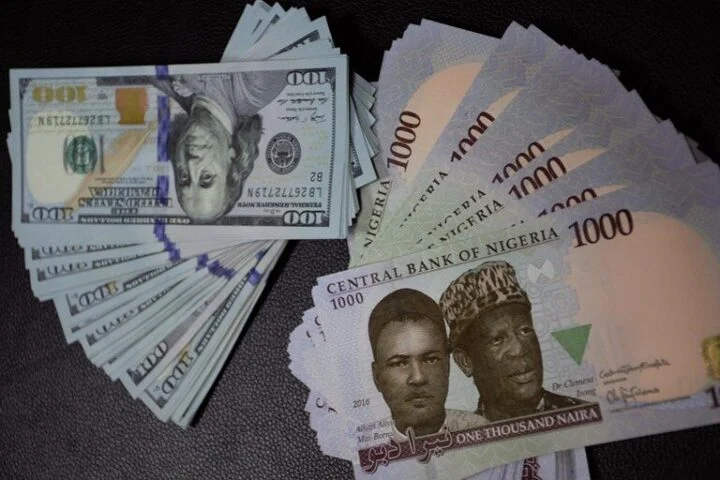
The naira largely traded within the ₦1,440–₦1,500 to the US dollar range, easing imported inflation and enabling businesses to plan and price with greater predictability.
Join our WhatsApp ChannelInflation moderated sharply from 24.48 per cent in January to 14.45 per cent by November, supported by improved supply conditions and lower logistics costs. Several consumer and imported goods even recorded outright price declines, boosting consumer confidence and creating a more favourable environment for trade and investment.
READ ALSO : CPPE Warns Suspension of 15% Fuel Import Duty Threatens Nigeria’s Refining Industry, Energy Security
The Nigerian Economy At 65, By Muda Yusuf
Business sentiment strengthened over the year, with the NESG–Stanbic IBTC Business Confidence Index remaining positive. CPPE noted that companies that recorded losses in 2024 largely returned to profitability, underscoring the benefits of macroeconomic stabilisation.
Fiscal Challenges, Sub-National Strength
While the macroeconomic environment improved, federal fiscal performance lagged. The 2025 budget, based on optimistic oil assumptions of $75 per barrel and production of 2.06 million barrels per day, fell short as oil prices averaged $66 per barrel and output reached 1.66 million barrels per day. This contributed to a significant revenue shortfall against the ₦41 trillion target, limiting federal capital expenditure.
Sub-national governments fared better, leveraging stronger internally generated revenue, improved liquidity, and more efficient project execution to deliver infrastructure and social services across several states.
Sectoral Trends: Services and Non-Oil Growth
CPPE reported that the non-oil economy dominated growth, contributing 96.56 per cent of GDP, with services accounting for about 53 per cent by Q3 2025. Telecommunications, financial services, trade, construction, and real estate were the main engines of expansion, growing 4.14 per cent.
Manufacturing growth remained modest at 1.25 per cent, hindered by high operating costs, weak access to finance, power deficits, and import competition. Agriculture recovered slightly, growing 3.79 per cent, though insecurity and post-harvest losses continued to limit its export and fiscal contributions.
Opportunities for Investors
CPPE projects GDP growth of 4.0-4.5 per cent in 2026, driven by non-oil sectors and supported by moderating inflation, which could pave the way for gradual monetary easing and lower interest rates. Services especially finance, telecommunications, construction, real estate, and trade are expected to remain the key growth drivers.
The potential listing of Dangote Refinery on the capital market is expected to enhance market liquidity and attract domestic and foreign portfolio investments. Policy credibility, if sustained, will reinforce investor confidence and capital inflows.
Risks to Watch
The CPPE highlighted ongoing challenges, including security constraints, oil price and production volatility, high energy and logistics costs, debt-service pressures estimated at over ₦15 trillion in the 2026 budget, geopolitical shocks, pre-election fiscal pressures, and potential pushback on tax reforms.
“2025 laid a strong foundation for macroeconomic stability,” CPPE CEO Dr Muda Yusuf said. “With sustained reforms and improvements in security, 2026 presents significant opportunities for businesses to expand, invest, and benefit from Nigeria’s growing non-oil sectors.”
This version frames the analysis through a business lens, emphasising investor confidence, sectoral opportunities, and fiscal implications for private enterprise.

Amanze Chinonye is a Staff Correspondent at Prime Business Africa, a rising star in the literary world, weaving captivating stories that transport readers to the vibrant landscapes of Nigeria and the rest of Africa. With a unique voice that blends with the newspaper's tradition and style, Chinonye's writing is a masterful exploration of the human condition, delving into themes of identity, culture, and social justice. Through her words, Chinonye paints vivid portraits of everyday African life, from the bustling markets of Nigeria's Lagos to the quiet villages of South Africa's countryside . With a keen eye for detail and a deep understanding of the complexities of Nigerian society, Chinonye's writing is both a testament to the country's rich cultural heritage and a powerful call to action for a brighter future. As a writer, Chinonye is a true storyteller, using her dexterity to educate, inspire, and uplift readers around the world.