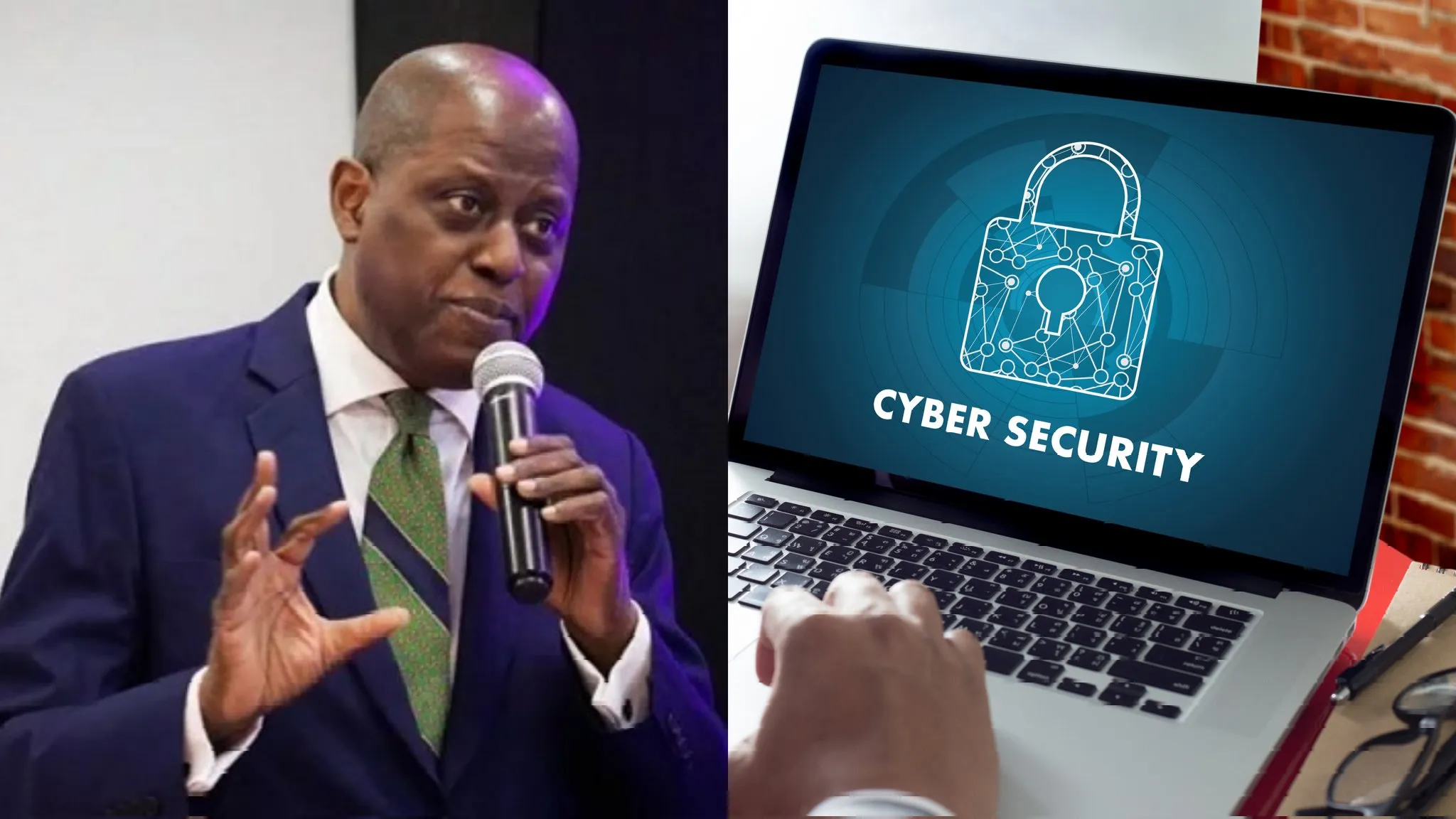
The introduction of a cybersecurity levy by the Central Bank of Nigeria (CBN) has ignited a firestorm of controversy, with various stakeholders expressing concerns over its potential impact on the economy and the populace.
The cybersecurity levy, set at 0.5% of all electronic transaction values, has drawn sharp criticism from key sectors of society, including the House of Representatives, the Northern Elders Forum (NEF), and prominent members of the private sector.
Join our WhatsApp ChannelIn response to the CBN’s directive, the House of Representatives, through a motion of urgent public importance moved by Minority Leader Kingsley Chinda, called for the suspension of the levy. Chinda highlighted the ambiguity of the CBN circular and its potential to burden Nigerian bank customers unfairly.
He maintained that Section 44(2)(a) of the Cybercrimes (Prohibition, Prevention, etc) (Amendment) Act, 2024 provides that “A levy of 0.5% (0.005) equivalent to a half percent of all electronic transactions value by businesses specified in the Second Schedule to the Act” be paid into the Cybersecurity Fund.”
He explained, “The House notes that businesses which the said Section 44(2)(a) refers to are listed in the Second Schedule to the Cybercrimes Act to be GSM Service Providers and all telecommunication companies; Internet Service Providers; Banks and Other Financial Institutions; Insurance Companies and the Nigerian Stock Exchange.
“The CBN circular mandates all banks, other financial institutions, and payments service providers to implement the Cybercrimes Act by applying the levy at the point of electronic transfer origination as ‘cybersecurity Levy’ and remitting same.
READ ALSO: Cybersecurity Levy: Bank Customers To Pay N25,000 For Every N5m Transfer
“The wordings of the CBN circular leaves the directive to multiple interpretations including that the levy be paid by bank customers, that is, Nigerians against the letters and spirit of Section 44(2)(a) and the Second Schedule to the Cybercrimes Act, which specifies the businesses that should be levied accordingly.”
The development according to the lawmaker, “has led to apprehension as civil society organizations and citizens have taken to conventional and social media to call out the Federal Government, give ultimatums for a reversal of the imposed levy on Nigerians among other things.
He argued that unless immediate pragmatic steps were taken to stop the proposed action of the CBN, “The Cybercrime Act shall be implemented in error at a time when Nigerians are experiencing the aftermath of multiple removal of subsidies from petroleum, electricity and so on and the rising inflation.”
Echoing similar sentiments, the NEF condemned the levy as “arbitrary, illegal, and out of touch with the realities faced by Nigerians.” The forum emphasized the financial strain already experienced by individuals and businesses due to existing charges, stating that the additional levy would exacerbate the situation.
The Lagos Chamber of Commerce and the Centre for the Promotion of Private Enterprise also voiced their opposition to the levy, citing concerns over its timing and potential adverse effects on economic activities.
Furthermore, the Nigerian Association of Chambers of Commerce, Industry, Mines, and Agriculture (NACCIMA) expressed reservations regarding the blanket imposition of the levy without clear limits. NACCIMA President Dele Oye stressed the need for thorough review and consultation with stakeholders to ensure clarity and alignment with broader fiscal policy objectives.
Economist Paul Alaje warned that the levy could further strain the economy, especially amid looming recession fears. He questioned the fairness of shifting the cost of cybersecurity maintenance onto bank customers.
The Nigerian Economic Summit Group (NESG) proposed targeting high-net-worth individuals with the levy instead of imposing it on all electronic transactions. The NESG emphasized the need to consider the impact on financial inclusion and the economy’s growth trajectory.
”At the NESG, putting this policy into effect at this crucial juncture may slow down the rate at which the country aims to reach its 2025 goal of 95 per cent financial inclusion,” the NESG said.
The statement partly read further, “Amidst the cost-of-living crisis exacerbated by rising inflation, the cybersecurity levy is mistimed, considering CBN’s concern about the high rate of financial exclusion and increased currency in circulation.
“The NESG posits that the levy should be targeted at high-net-worth individuals and a specific amount transferred electronically to allay the fears of the populace, who are still battling skyrocketing food and non-food prices. However, if this policy remains, several Nigerians will boycott electronic fund transfers, which does not even bode well for the government due to revenue loss from the electronic transfer levy.
“The cybersecurity levy needs to be reconsidered, considering the CBN’s concern about the high rate of financial exclusion and increased currency in circulation. At the NESG, we are concerned that implementing this policy at this critical time will decelerate the pace of achieving the 95% financial inclusion target of 2025.”
Despite the widespread backlash, the CBN has remained silent on the matter, with Acting Director of Corporate Communications Hakama Sidi Ali declining to comment. However, an anonymous CBN official hinted at impending decisions from management.
The controversy surrounding the cybersecurity levy has sparked a nationwide debate on social media, with Nigerians expressing concerns about its necessity and timing amidst prevailing economic challenges.
As stakeholders continue to voice their opinions, the fate of the cybersecurity levy hangs in the balance, pending further deliberations and decisions from relevant authorities.

Emmanuel Ochayi is a journalist. He is a graduate of the University of Lagos, School of first choice and the nations pride. Emmanuel is keen on exploring writing angles in different areas, including Business, climate change, politics, Education, and others.