Nigerian Govt To Suspend Import Duties On Food Items, Pharmaceutical, Others For 6 Months To Tackle Inflation

June 6, 2024
Intra-Africa Trade: Nigeria Ranks Fourth, Follows South Africa, Cote d’Ivoire, Egypt

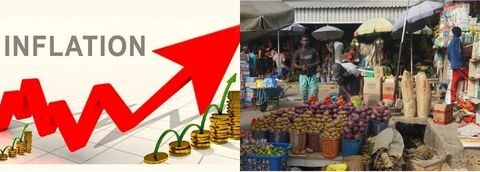
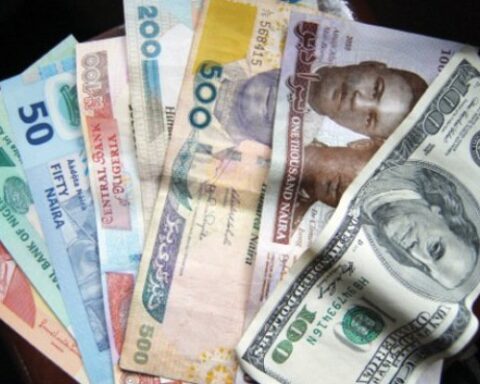
The Federal Government of Nigeria is set to implement a significant economic measure aimed at curbing inflation by suspending import duties on essential items for a period of six months.

This decision, outlined in an executive order reviewed by Nairametrics, targets staple food items, pharmaceutical products, and other critical commodities.

Join our WhatsApp Channel

According to the document, which is yet to bear the President’s signature but has been verified by Nairametrics, the suspension will encompass import duties on staple foods, raw materials crucial for manufacturing, agricultural inputs like fertilizers and seeds, pharmaceuticals, and poultry feeds, among others.

“The Inflation Reduction and Price Stability Order mandates strategic interventions to stabilize prices and support key sectors,” the document states. It further directs the Ministry of Finance and the Central Bank of Nigeria to facilitate low-interest loans aimed at bolstering the agriculture, pharmaceutical, and manufacturing industries.

READ ALSO: CBN Raises Exchange Rate For Import Duties To 1457$1

Additionally, the executive order hints at a potential suspension of value-added tax (VAT) on automotive gas oil, basic food items, semi-processed staple foods such as noodles and pasta, and raw materials for food production. This measure is expected to remain in effect for the rest of the year.

In a move aimed at addressing food inflation, the government is contemplating the importation of paddy rice and maize seeds, as highlighted in the Accelerated Stabilization and Advancement Plan (ASAP) submitted by Finance Minister Wale Edun. This plan underscores the urgency of mitigating rising food costs that have significantly impacted household budgets.

However, these measures appear to contradict earlier statements by President Tinubu, who had expressed reluctance towards continued food imports earlier this year, emphasizing self-sufficiency as a long-term strategy.

Nigeria is currently grappling with a severe food crisis, marked by a 40.5% food inflation rate. The cost of rice alone has surged by 169% in the past year, reaching nearly N90,000 per bag, exacerbating economic pressures and threatening food security for millions.

Experts warn that without immediate intervention, an estimated 31 million Nigerians could face acute food shortages by August, underscoring the urgency of government action beyond economic implications, impacting health, education, and overall societal stability.

This executive order, if enacted, aims not only to stabilize prices but also to provide relief to vulnerable households amidst mounting economic challenges.

emmmmmm
+ posts

Emmanuel Ochayi is a journalist. He is a graduate of the University of Lagos, School of first choice and the nations pride. Emmanuel is keen on exploring writing angles in different areas, including Business, climate change, politics, Education, and others.

Emmanuel Ochayi

Emmanuel Ochayi is a journalist. He is a graduate of the University of Lagos, School of first choice and the nations pride. Emmanuel is keen on exploring writing angles in different areas, including Business, climate change, politics, Education, and others.
Investors Withdrawal Looms For 20 modular refineries Over Crude Oil Supply
Previous Story

Investors Withdrawal Looms For 20 modular refineries Over Crude Oil Supply

Obi Reacts To Poor Performance In 2025 UTME, Calls For Aggressive Investment In Education
Next Story

Obi Rejects LP’s Creation Of Directorate For Obidient Movement

Featured Stories

CBN, Policy Shifts and Economy

By Arize Nwobu The Central Bank of Nigeria (CBN) has worked dedicatedly alongside the federal government and implemented policy shifts towards the

Latest from Business

CBN, Policy Shifts and Economy

By Arize Nwobu The Central Bank of Nigeria (CBN) has worked dedicatedly alongside the federal government and implemented policy shifts towards the reconfiguration of the economy to foster stability and sustainable growth, increase overall economic efficiency and improve living standard. CBN policy
Nigerian Stock Market Record Highest Level In 15-years, Equity Cap Up N59.90bn

Nigerian Stock Market Rebounds With N30.45bn Gain

The all-share index (ASI) increased by 0.23 percent on Friday, January 16, leading to the market capitalisation of the Nigerian Exchange (NGX) rising by N30.45 billion. It was gathered that the ASI expanded by 72.21 basis points, from 166,057.29 index recorded on

Sterling Bank Steps Up Environmental Sustainability Efforts

Nigerian banks are increasingly prioritizing environmental sustainability and climate action, with Sterling Bank leading the charge. The bank, in collaboration with Sterling One Foundation, Sunbeth, and government agencies, organized a nationwide Environmental Cleanup and Beach Adoption exercise, covering 17 states and engaging
Investors Withdrawal Looms For 20 modular refineries Over Crude Oil Supply
Previous Story

Investors Withdrawal Looms For 20 modular refineries Over Crude Oil Supply

Obi Reacts To Poor Performance In 2025 UTME, Calls For Aggressive Investment In Education
Next Story

Obi Rejects LP’s Creation Of Directorate For Obidient Movement

Don't Miss

Bypassing Democracy To Defend democracy: Nigeria’s Intervention in Benin’s Failed Coup

On Sunday, December 7, 2025, a group of soldiers who
KPMG Predicts Nigeria’s Debt Crisis To Worsen, Proffers Solution

KPMG Predicts Nigeria’s Debt Crisis To Worsen, Proffers Solution

Nigeria’s debt crisis will continue if the country’s revenue generation