Emmanuel Ochayi
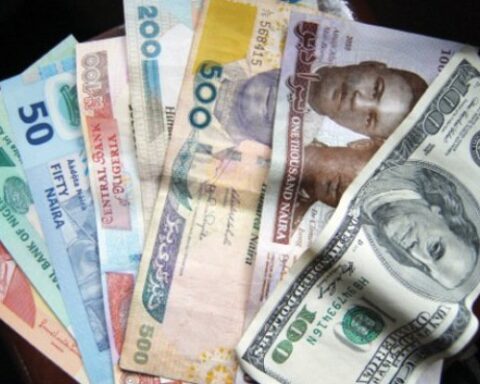
Nigeria has witnessed a surge in foreign loans, accounting for over 60% of the country’s foreign exchange inflows in the first nine months of 2023.
Despite this boost, the total capital importation has seen a 33.99% decline compared to the corresponding period in 2022.
Join our WhatsApp ChannelREAD ALSO: 2024: Tinubu Promises Ease Of Doing Business, As Nigerians Face Hard Times
The National Bureau of Statistics (NBS) reported a fall in Foreign Direct Investment (FDI) and Foreign Portfolio Investment (FPI), attributing the naira’s fluctuation in the foreign exchange market to a shortage of dollar supply.
Commenting on the capital importation decline, the NBS highlighted a sharp decrease of 43.55% in Q3, 2023, indicating concerns about economic stability. Other Investment emerged as the leading contributor to total capital importation in Q3, 2023, followed by Portfolio Investment and Foreign Direct Investment.
Despite Nigeria’s decision to float its currency in June 2023, aiming to boost FX inflows, the naira has depreciated by approximately 40% according to the World Bank.
The International Monetary Fund (IMF) expressed concerns about high inflation and pressure on the naira, suggesting the country could seek a loan to stabilize its currency.
Minister of Finance, Wale Edun, emphasized an expected $10 billion inflow to alleviate the forex backlog and restore stability to the naira, highlighting the illiquidity of the market due to the lack of supply.
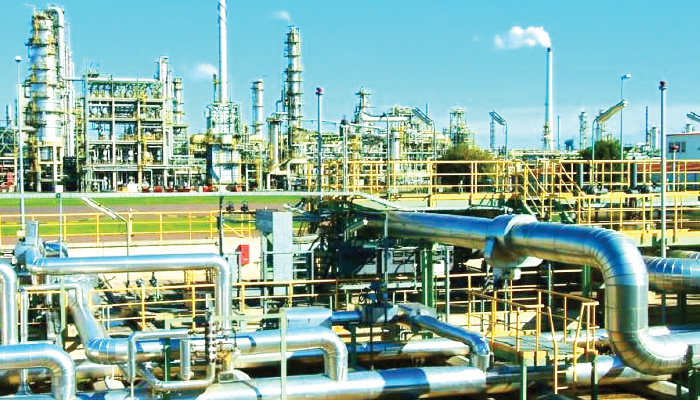
In response to the ongoing dollar scarcity, the Nigerian National Petroleum Company Limited secured a $3bn emergency crude oil repayment loan from the African Export-Import Bank, aiming to address the economic challenge.

Emmanuel Ochayi
- Emmanuel Ochayi
- Emmanuel Ochayi
- Emmanuel Ochayi
- Emmanuel Ochayi
- Emmanuel Ochayi
- Emmanuel Ochayi
- Emmanuel Ochayi
- Emmanuel Ochayi
- Emmanuel Ochayi
- Emmanuel Ochayi
- Emmanuel Ochayi
- Emmanuel Ochayi
- Emmanuel Ochayi
- Emmanuel Ochayi
- Emmanuel Ochayi
- Emmanuel Ochayi
- Emmanuel Ochayi
- Emmanuel Ochayi
- Emmanuel Ochayi
- Emmanuel Ochayi
- Emmanuel Ochayi
- Emmanuel Ochayi
- Emmanuel Ochayi
- Emmanuel Ochayi
- Emmanuel Ochayi
- Emmanuel Ochayi
- Emmanuel Ochayi
- Emmanuel Ochayi
- Emmanuel Ochayi
- Emmanuel Ochayi
- Emmanuel Ochayi
- Emmanuel Ochayi
- Emmanuel Ochayi
- Emmanuel Ochayi
- Emmanuel Ochayi
- Emmanuel Ochayi
- Emmanuel Ochayi
- Emmanuel Ochayi
- Emmanuel Ochayi
- Emmanuel Ochayi
- Emmanuel Ochayi
- Emmanuel Ochayi
- Emmanuel Ochayi
- Emmanuel Ochayi
- Emmanuel Ochayi