 Emmanuel Ochayi
Nigeria must tackle security challenges, boost investments, and implement stronger regulatory frameworks to achieve its crude oil production target of 2.06 million barrels per day (mbpd) by 2025, a recent report by PricewaterhouseCoopers (PwC) has stated.
Nigeria’s Current Crude Oil Production
The report, titled “2025 Nigerian Budget and Economic Outlook,” highlighted that Nigeria’s current crude oil production stands at an average of 1.5 mbpd, which must increase by 37% to meet the target. PwC noted that achieving this goal requires coordinated efforts in three key areas: security, investment, and regulation.
Join our WhatsApp ChannelSpeaking about the report’s findings, a PwC representative said, “Nigeria’s oil sector has significant potential, but the challenges are clear. The country must address crude oil theft, improve security infrastructure, and attract investment to achieve the ambitious 2025 production target.”
Security Bottlenecks Hampering Production
Security remains a critical issue for Nigeria’s oil industry. According to the report, the nation experienced over 4,500 violent incidents between January 2023 and March 2024, with crude oil theft being a significant factor affecting production.
“The scale of crude oil theft in Nigeria is alarming. It not only reduces revenue but also discourages investors,” the representative added. “Addressing security concerns will require a multi-faceted approach, including deploying advanced technology to monitor pipelines and working closely with local communities.”
READ ALSO: 2025 Budget: Nigeria Govt Projects 2.06mbpd Crude Oil Production At $75
Investments in Key Oil Fields
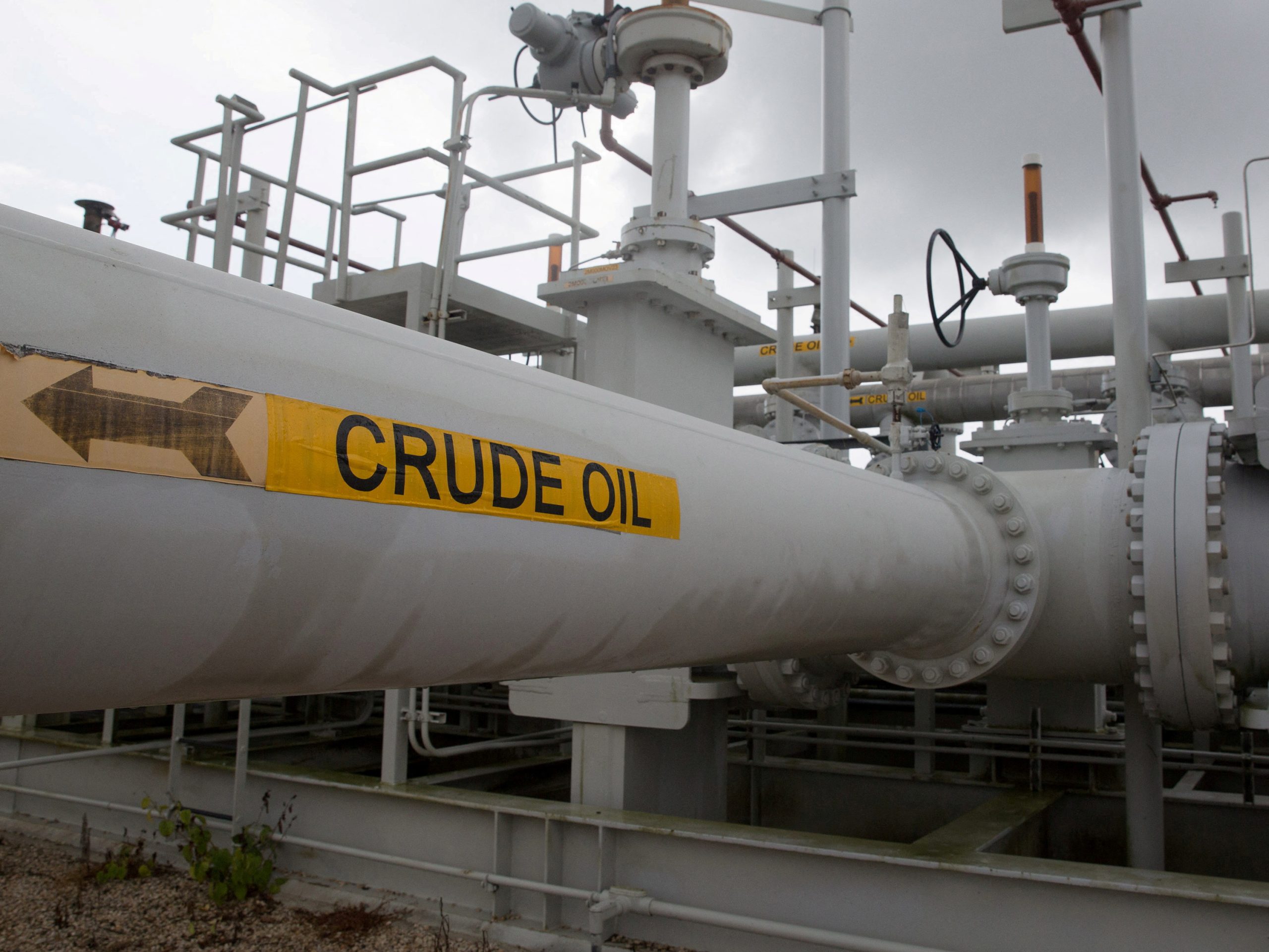
PwC also pointed to recent investments by major oil companies, including Shell and TotalEnergies, as positive signs for the industry. These investments focus on the Bonga deepwater field and the Ubeta upstream project, both of which were announced towards the end of 2024.
“These projects are expected to contribute significantly to Nigeria’s crude oil output,” the report stated. “However, their success depends on the country’s ability to maintain a stable investment climate and ensure regulatory clarity.”
Oil Price Benchmark and Revenue Projections
The Federal Government has based its 2025 budget on a global oil price benchmark of $75 per barrel. PwC believes this is a realistic estimate, given that the global average oil price in 2024 was $78.05 per barrel.
“This benchmark is achievable,” the report said. “However, Nigeria’s revenue growth will depend not only on oil prices but also on actual production levels.”
Positive Geopolitical Developments
PwC highlighted how global geopolitical developments could benefit Nigeria’s oil sector. The report pointed to the ceasefire in the Israel-Hamas war, a potential end to the Russia-Ukraine conflict, and improved U.S.-China relations as factors that could stabilize global oil prices.
“These developments could enhance global trade and reduce inflationary pressures,” PwC explained. “For Nigeria, this means more stable oil revenues and improved economic prospects.”
Recommendations for 2025
The report concluded with several recommendations for Nigeria to consider as it approaches 2025. These include addressing security bottlenecks, enhancing social protection programs, and building resilience against economic shocks.
“The challenges are significant, but the opportunities are greater,” the PwC representative said. “With the right policies and commitment, Nigeria can achieve its crude oil production goals and strengthen its economy.”
Nigeria’s journey toward achieving over 2 mbpd of crude oil production by 2025 is ambitious but not impossible. Addressing security challenges, fostering investment, and maintaining a stable regulatory framework are critical to meeting this goal.