 Prosper Okoye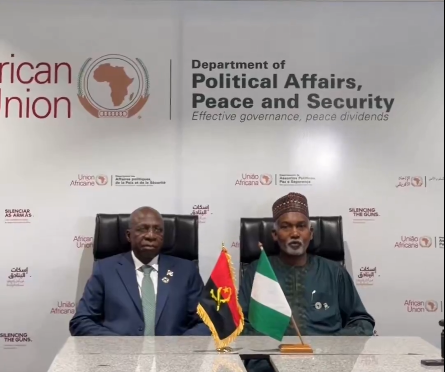
It was meant to be a story of African diplomacy. On the sidelines of the African Union summit in Addis Ababa this weekend, Nigeria’s Foreign Minister, Yusuf Maitama Tuggar, stood alongside his Angolan counterpart, Téte António, to sign an agreement that allows holders of diplomatic and official passports from both countries to travel between Nigeria and Angola without a visa.
For the ministers, it was a historic moment. Mr Tuggar evoked former Nigerian Head of State Murtala Muhammed’s 1976 declaration that “Africa has come of age,” marking Nigeria’s support for Angola’s liberation struggle. Mr António spoke of enduring solidarity between the two nations.
But back home, the reaction was decidedly less warm.
Join our WhatsApp ChannelWithin hours, social media lit up with frustration. “Diplomatic passport holders and you want us to clap for you?” wrote one user on X, Nigeria’s Twitter equivalent. Another asked, “Of what benefit is this to ordinary citizens? What will it take to secure a proper visa waiver?”
Two Capitals, Two Conversations
In Addis Ababa, the narrative was about legacy, continental integration, and institutional cooperation. Mr Tuggar called the pact “long overdue,” saying it would allow officials to “move more freely and efficiently.” The Ministry of Foreign Affairs framed it as part of the African Union’s broader vision of mobility.
Yet in the streets of Lagos and Abuja, the deal landed differently. Ordinary Nigerians still face expensive visas, opaque embassy processes, and sometimes outright denial when travelling across Africa.
“Politicians always acting selfish in Nigeria!” wrote another social media user. “What’s the essence of free diplomatic movement without free people movement? Diplomats don’t trade; people trade.”
Trade between Nigeria and Angola remains modest, despite both nations being major oil producers. At a recent business meeting in Lagos, former presidential aide Olusegun Awolowo described foreign direct investment between the two countries as “effectively zero.”
A Step Towards More?
The ministers acknowledge this gap. Speaking after the signing, Mr Tuggar said: “When government officials move freely, they create the opportunity for the private sector to move freely. Our hope is that, in the not-too-distant future, Nigerians and Angolans will move freely too.”
Mr António expressed similar optimism, suggesting the deal could open doors for broader visa waivers.
But for many Nigerians, such promises are met with scepticism. “How does it benefit ordinary Nigerians who travel to that country?” asked a social media user, echoing a common sentiment.
READ ALSO:
AfDB, EU, Angola roll out $125m scheme to create 150,000 youth jobs
CBN, Bank of Angola Sign MoU to Strengthen Bilateral Financial Cooperation
U.S. Deepens Security, Economic Ties with Angola, Namibia Through African-Led Solutions
The Deeper Frustration
The backlash points to a wider perception that Nigeria’s political class operates in a bubble—easing travel for themselves while citizens face rising costs of living and bureaucratic hurdles. The ministers’ celebration of easier movement for officials, without immediate gains for the public, underscores this disconnect.
Some initiatives suggest potential for tangible collaboration. Bayelsa State Governor Douye Diri recently hosted an Angolan delegation to advance a sister-city agreement focusing on tourism and the blue economy. But even there, the governor admitted a familiar reality: “Many MoUs have been signed between Nigeria and Angola over the years, but implementation has always been the problem.”
A Tale of Two Agreements
Diplomatically, the Nigeria-Angola visa waiver is a small but practical fix. It simplifies travel for officials and may lay groundwork for wider talks.
For the average Nigerian, however, it is harder to celebrate. Until a businessperson can fly to Luanda as easily as a minister, or Angolan goods flow freely into Lagos ports, agreements like this are likely to be met not with applause, but with a weary question: What about us?

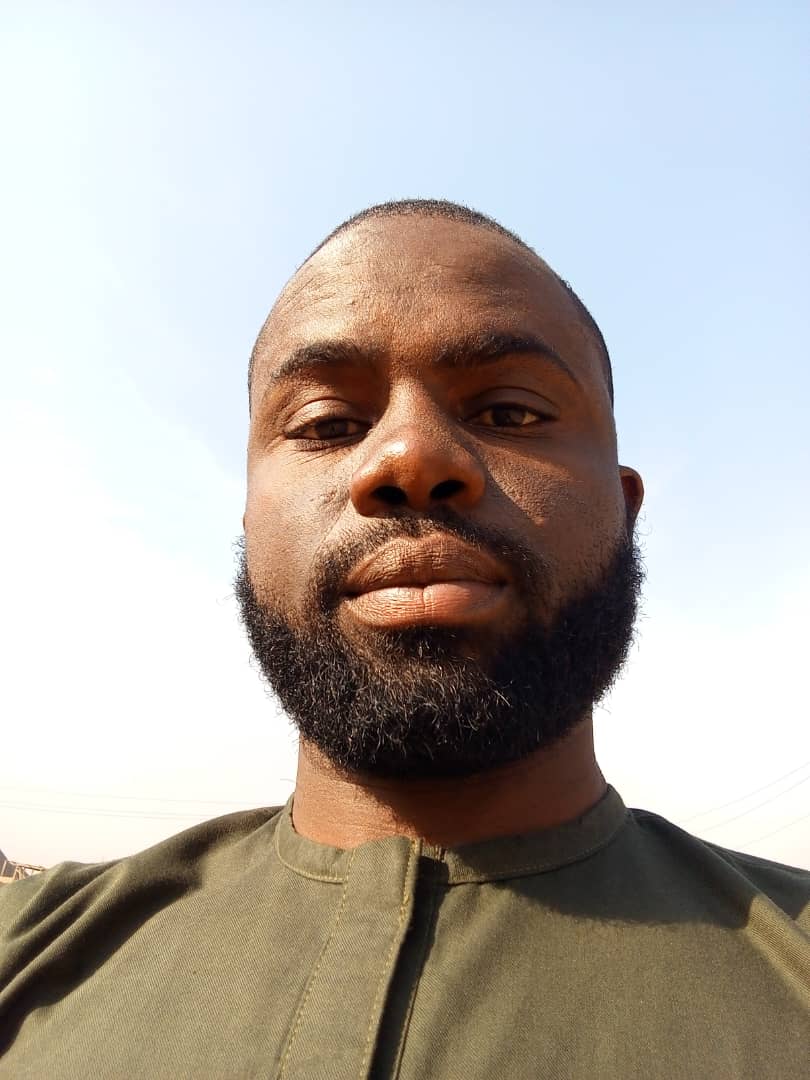
Prosper Okoye is a Correspondent and Research Writer at Prime Business Africa, a Nigerian journalist with experience in development reporting, public affairs, and policy-focused storytelling across Africa