 Emmanuel Ochayi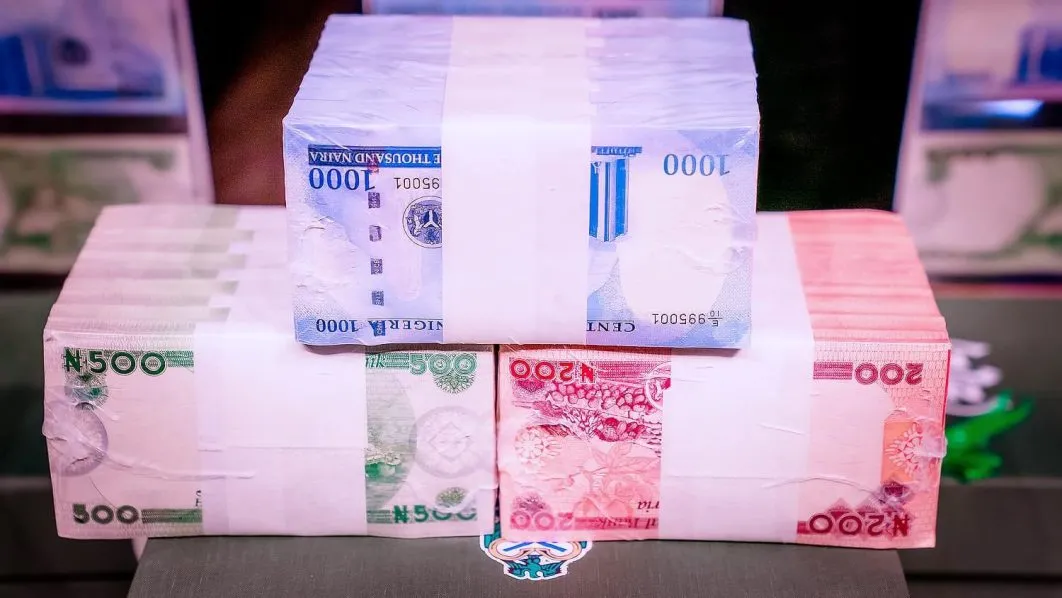
Naira Hits New Low as Dollar Liquidity Plummets
The naira has plunged to a record low, driven by a sharp decrease in dollar liquidity in the foreign exchange market. According to Bloomberg, the naira dropped by 4.3% on Monday to trade at 1,670.65 per dollar, marking its most significant loss since mid-October.
The devaluation of the naira makes it the third-worst-performing currency globally, trailing only the Lebanese pound and the Ethiopian birr.
Join our WhatsApp ChannelThe slide has been exacerbated by a drop in dollar liquidity, which fell by 72% to $81 million—the lowest level in over a month. The decline comes as Nigeria prioritises building its foreign reserves, which reached $39.4 billion on October 24, the highest in nearly two years. This strategy, however, has come at a significant cost to the strength of the naira.
Oil Production and Foreign Reserves Impact Naira Stability
Nigeria’s reliance on oil exports is a central factor in its foreign currency availability. Due to the country’s low oil production levels, last seen in 1992, foreign currency inflow has been severely impacted. Minister of Finance Wale Edun highlighted these production challenges during a recent press briefing, emphasizing that raising oil output remains the clearest path to boosting Nigeria’s foreign exchange (FX) position and strengthening the naira.
“Our economy’s lifeline, crude oil, is not producing what we need,” Edun said. “If we cannot increase our oil production, it will be hard to maintain a stable naira.”
Since June 2023, Nigeria allowed the naira to trade more freely against the dollar, a shift that initially led to increased volatility. Despite these measures, oil revenue remains low, and the naira continues to experience substantial losses in value.
Dollar Shortage Amplifies Economic Strain on Nigerians
With dollar reserves being conserved, access to foreign currency has tightened, adding pressure on both businesses and individuals. Many Nigerians now face soaring prices for imported goods, making basic commodities less affordable.
“If you need dollars to buy goods, the naira’s fall is devastating,” says Abuja-based businessman Charles Eze. “The scarcity of dollars has made it nearly impossible to import what we need.”
This shortage of dollars is also creating a ripple effect throughout Nigeria’s economy, impacting industries that rely on imports and, in turn, driving up inflation.
CBN’s Role and Policy Implications for Naira Stability
The Central Bank of Nigeria (CBN) has tried to stabilize the naira by occasionally intervening in the FX market. However, these efforts are challenging as the bank juggles the dual goals of supporting the naira and conserving the country’s foreign reserves. Analysts argue that while accumulating reserves is essential, it should be balanced with maintaining sufficient liquidity in the market to avoid extreme currency devaluation.
“The current policy has some unintended consequences,” explains economist Sarah Ighalo. “While building reserves is crucial, it is equally important to ensure the naira has the necessary support to prevent steep declines. Otherwise, businesses and consumers bear the brunt of these sharp falls in value.”
READ ALSO: Naira Opens Week On A Negative Note
For now, the CBN has prioritised reserve growth over currency stability, but experts warn that this could lead to continued depreciation if dollar inflow remains limited.
What’s Next for the Naira?
As Nigeria’s currency crisis deepens, both the government and the CBN face mounting pressure to devise a long-term strategy. Some experts suggest that the government should focus on expanding Nigeria’s non-oil exports and encouraging foreign investment to reduce reliance on oil exports. These measures could diversify the sources of foreign exchange, stabilising the naira in the long run.
“Ultimately, we need a broader strategy that doesn’t hinge solely on oil,” said Edun. “Diversifying our revenue base is key to securing the naira’s future.”
For now, Nigerians continue to deal with the challenges of a depreciating currency, impacting their purchasing power and driving inflation higher. The naira’s recent performance has amplified discussions about the need for sustainable solutions to strengthen Nigeria’s economy and stabilise its currency.
A Call for Comprehensive Economic Reform
Nigeria’s current currency crisis underscores the need for comprehensive economic reforms that go beyond short-term solutions. Boosting oil production remains a priority, but experts also emphasise the importance of diversifying the economy to reduce reliance on oil.
The naira’s slide reflects broader challenges facing Nigeria’s economy, and without strategic action, currency devaluation may continue, with impacts felt across the country.

Emmanuel Ochayi is a journalist. He is a graduate of the University of Lagos, School of first choice and the nations pride. Emmanuel is keen on exploring writing angles in different areas, including Business, climate change, politics, Education, and others.
- Emmanuel Ochayi
- Emmanuel Ochayi