Dangote Refinery Accuses NNPC of Breach
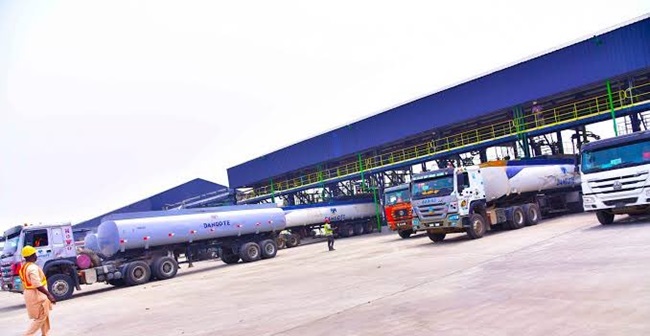
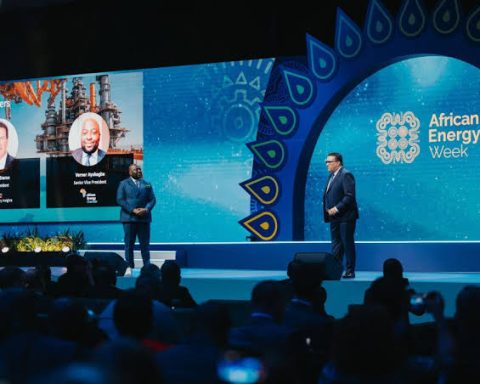
The Dangote Refinery has raised concerns about the Nigerian National Petroleum Company Limited (NNPCL) ability to meet its obligations under the naira-for-crude arrangement. Vice President of Dangote Group, Edwin Devakumar, revealed this in a statement reported by Reuters, highlighting significant shortfalls in crude oil supply.
“We need 650,000 barrels per day, and NNPC Ltd agreed to supply a minimum of 385,000 bpd, but they are not even delivering that,” Devakumar said. He added that the supply volume from NNPCL is so low that he described it as “peanut.” Although he did not specify the exact amount received.
Join our WhatsApp ChannelThis situation poses challenges to the ambitious goals of the refinery, which is designed to process 650,000 barrels per day (bpd) and reduce Nigeria’s dependence on imported petroleum products.
What is the Naira-for-Crude Agreement?
The naira-for-crude deal, approved by the Federal Executive Council in July, is a pivotal policy aimed at transforming how crude oil is supplied to local refineries. Under this arrangement, 450,000 barrels of crude oil earmarked for domestic use would no longer be sold in foreign currency but in naira.
This policy, with the Dangote Refinery as its pilot project, seeks to stabilise Nigeria’s fuel prices and reduce pressure on the naira-dollar exchange rate. Finance Minister Wale Edun confirmed that the initiative commenced on October 1, 2024.
Despite its promise, the NNPCL’s inability to meet supply commitments under the naira-for-crude deal could undermine its objectives.
Dangote Refinery Resumes US Crude Imports
In a separate development, the $20 billion Dangote Refinery has resumed importing crude oil from the United States after a three-month break. Shipping data shows that the refinery purchased two million barrels of WTI Midland crude from Chevron Corp.
The shipment, handled by the supertanker Azure Nova, is expected to arrive in Lagos in December. While the reasons for the resumption of US crude imports are unclear, reports suggest competitive shipping costs may have influenced the decision.
The return to US imports raises questions about the effectiveness of the naira-for-crude deal in ensuring consistent supply for the refinery.
Why the Supply Gap Matters
The Dangote Refinery’s operations are critical to Nigeria’s economy. As Africa’s largest refinery, it was expected to bolster fuel production and stabilise domestic prices. However, insufficient crude supply from NNPC threatens to derail these goals.
READ ALSO: Naira-for-Crude: A Bold Gamble For Nigeria’s Refinery Future
Experts believe the shortfall could force the refinery to rely more on international crude imports, potentially increasing costs and weakening the naira-for-crude policy’s intended benefits.
Naira-for-Crude Policy Faces Early Test
The challenges faced by the naira-for-crude deal highlight broader issues in Nigeria’s oil sector. From production inefficiencies to logistics hurdles, the NNPCL’s inability to fulfil its commitments has sparked concerns among stakeholders.
If unresolved, the Dangote Refinery may struggle to operate at full capacity, prolonging Nigeria’s reliance on expensive fuel imports. This could delay economic benefits such as reduced fuel prices and a strengthened naira.
READ ALSO: Dangote Refinery: Revolution Or Restriction For Nigeria’s Oil Market?
The naira-for-crude initiative is a bold step in restructuring Nigeria’s oil economy, but its success depends on seamless coordination between all parties. For now, the Dangote Refinery’s criticism underscores the urgent need for improved supply mechanisms.
The naira-for-crude policy offers a transformative approach to Nigeria’s oil and gas sector, but the challenges faced by the Dangote Refinery show that implementation is far from smooth. As the NNPCL struggles to meet supply commitments, the policy’s future remains uncertain, raising critical questions about Nigeria’s ability to leverage its resources for economic stability.

Emmanuel Ochayi is a journalist. He is a graduate of the University of Lagos, School of first choice and the nations pride. Emmanuel is keen on exploring writing angles in different areas, including Business, climate change, politics, Education, and others.
- Emmanuel Ochayi
- Emmanuel Ochayi