Admin
Admin
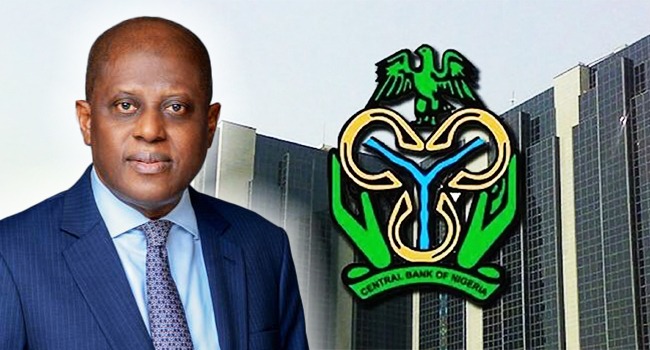
The National President of the Nigerian Association of Chambers of Commerce, Industry, Mines, and Agriculture (NACCIMA), Dele Oye, has highlighted the potential consequences of a hike in the benchmark interest rate (MPR) by the Central Bank of Nigeria (CBN) on Nigerian businesses.
In a statement, Oye said while an increase in the benchmark interest rate can help control inflation, it often introduces higher costs and increased uncertainty for businesses, which can have a range of negative impacts on their operations and growth prospects.
Join our WhatsApp ChannelPrime Businesss Africa reports that he listed some of the consequences to include; increased borrowing costs, reduced investment, decreased consumer spending, impact on stock prices, cash flow challenges, inflation control, and long-term planning, among others.
The statement reads: “A hike in the benchmark interest rate (MPR) by the CBN can have several potential consequences for businesses, including:
“Increased Borrowing Costs: Higher interest rates mean that loans and lines of credit become more expensive. This can increase the cost of financing for businesses, leading to higher operational costs.
“Reduced Investment: As borrowing becomes more expensive, businesses may delay or scale back on investments in expansion, new projects, or capital improvements. This can slow down business growth and innovation.
“Decreased Consumer Spending: Higher interest rates can lead to increased borrowing costs for consumers as well, which can reduce their disposable income. This typically results in lower consumer spending, which can negatively impact businesses, particularly those in the retail and service sectors.
“Cash Flow Challenges: Businesses that rely heavily on debt to manage cash flow may find it more challenging to service their debt, leading to potential liquidity issues.
“Impact on Stock Prices: Higher interest rates can make bonds and other fixed-income investments more attractive compared to stocks. This may lead to a decline in stock prices, affecting businesses’ market valuations and their ability to raise capital through equity financing.”
Others according to the NACCIMA President include “Foreign Exchange Rates: An increase in the benchmark interest rate can strengthen the national currency. While this might reduce the cost of imports, it can make exports less competitive, potentially harming businesses that rely on international markets.
“Inflation Control: While the primary goal of raising interest rates is often to control inflation, it can have a mixed impact on businesses. On the one hand, controlling inflation helps maintain purchasing power and economic stability; on the other hand, the immediate effects of higher rates can strain business operations.
“Consumer Confidence: If consumers perceive rate hikes as a sign of an overheating economy or a response to high inflation, their confidence may be shaken, leading to reduced spending and investment.
READ ALSO: NACCIMA Faults CBN’s Monetary Policies, As Inflation Keeps Rising
“Credit Availability: Tighter monetary policy can lead to stricter lending standards, making it harder for businesses, especially small and medium-sized enterprises (SMEs), to obtain credit.
“Long-Term Planning: Uncertainty about future interest rate movements can make long-term planning more difficult for businesses. Companies may become more cautious in their strategic decisions, potentially slowing down growth and innovation.”
Oye added, “In summary, while an increase in the benchmark interest rate can help control inflation, it often introduces higher costs and increased uncertainty for businesses, which can have a range of negative impacts on their operations and growth prospects.”