 Emmanuel Ochayi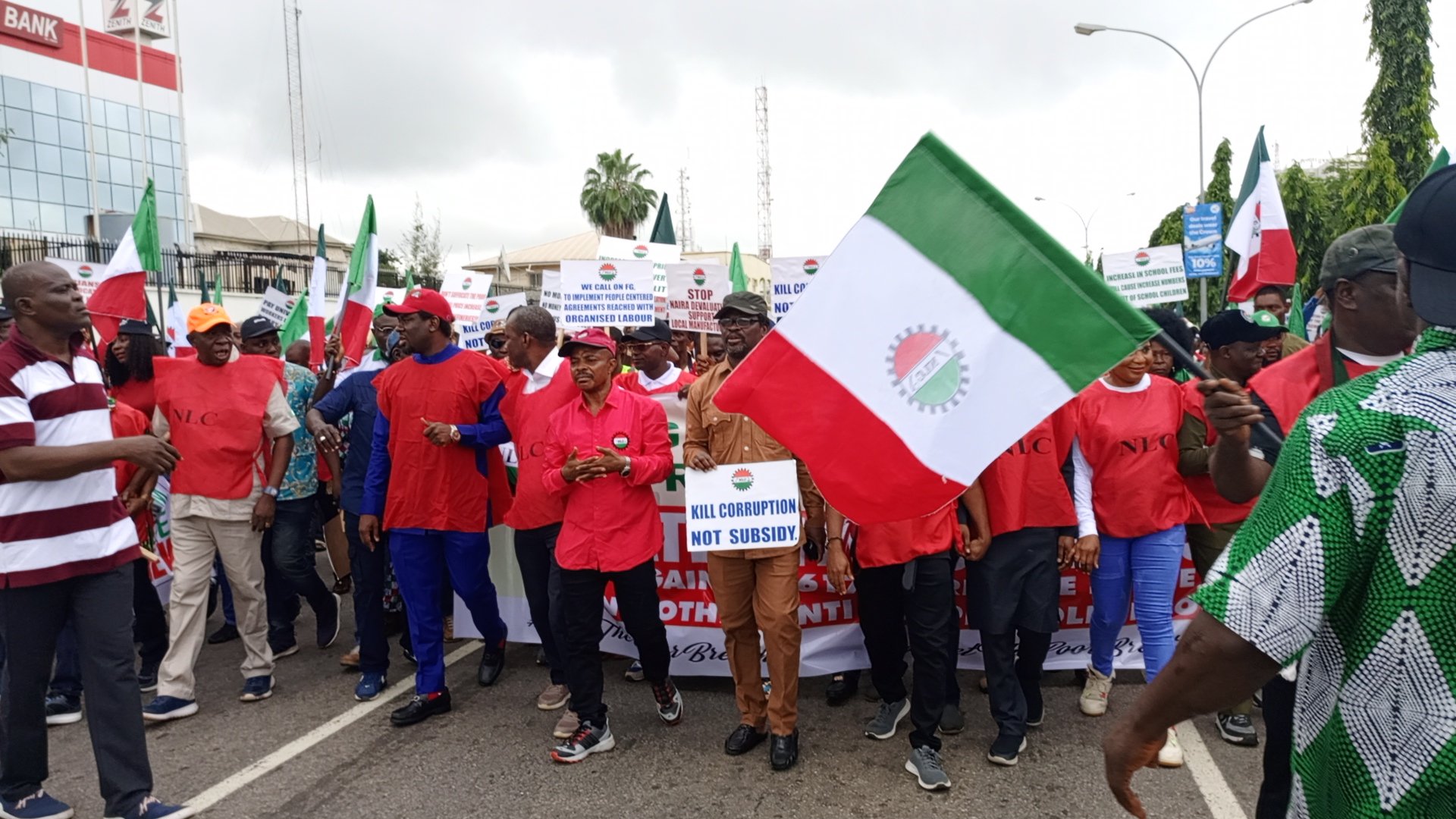
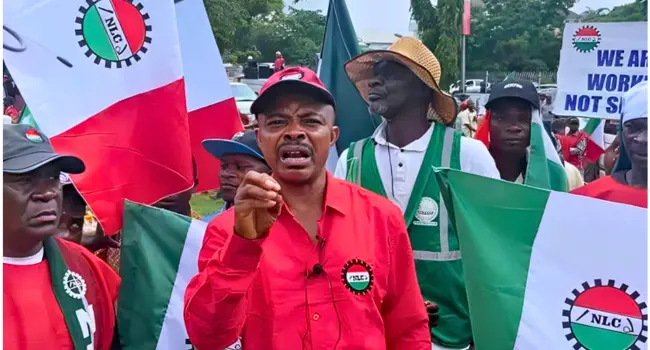
Nigeria faces a nationwide strike today led by organized labour unions, seeking to enforce a new national minimum wage.
The Nigeria Labour Congress (NLC) and the Trade Union Congress of Nigeria (TUC) initiated the strike after failed negotiations with the Federal Government.
Join our WhatsApp ChannelBreakdown in Negotiations
Negotiations collapsed last Friday when the government proposed a marginal increase, offering N60,000 instead of the initially proposed N57,000. Labour representatives found this increase inadequate, maintaining their demand for an N494,000 minimum wage to match the rising cost of living.
Ayuba Wabba, President of the NLC, stated, “The government’s proposal does not reflect the economic realities faced by Nigerian workers. We need a living wage, not just a minimum wage.”
Nationwide Mobilisation
Various unions across sectors, including electricity, banking, health, and transportation, have mobilised in support of the strike. Affiliates such as the National Union of Electricity Employees (NUEE) and the National Union of Banks, Insurance and Financial Institutions Employees (NUBIFIE) are actively participating.
In the aviation sector, unions have announced the shutdown of airports, beginning with local airports today and extending to international airports tomorrow. Maritime workers are also joining the strike, promising to halt activities at seaports nationwide.
Kennedy Ikemefuna, spokesperson for the Maritime Workers Union of Nigeria (MWUN), stated, “We stand in solidarity with the NLC and TUC. The strike is necessary to compel the government to meet our demands.”
READ ALSO: Minimum Wage Debate: NECA Warns Labour Union Of Business Collapse Over N400,000 Demand
Government’s Response
The Federal Government, however, has labeled the strike illegal. Attorney General, Prince Lateef Fagbemi, argued, “The proposed industrial action is premature and illegal. Negotiations are ongoing, and an agreement has not yet been reached.”
The government also cited a National Industrial Court order that bars the unions from striking. Despite this, the unions proceeded, emphasising the urgency of their demands.
Economic Concerns
Economic experts warn that the unions’ demands could have severe consequences. Chyma Anthony, a business consultant, cautioned, “A N494,000 minimum wage could push the Nigerian economy into hyperinflation. Instead of demanding higher wages, labour should focus on reducing energy costs.”
Anthony suggested that reducing the prices of electricity, petrol, and cooking gas would have a more substantial impact on living conditions.
Presidential Caution
The presidency has also expressed concerns about the economic implications of the union’s demands. Special Adviser to the President on Media and Publicity, Ajuri Ngelale, said, “While President Tinubu wants to improve workers’ welfare, a 20-fold increase in the minimum wage would lead to massive job losses and unsustainable price increases.”
Ngelale emphasised that the issue affects not just the federal civil service but the entire economy, including small businesses and the informal sector.
Unions’ Determination
Despite the warnings, labour leaders remain resolute. Wabba reiterated, “We are not asking for luxuries; we are asking for a fair wage that reflects the cost of living. We will continue this strike until our demands are met.”
As the strike unfolds, the nation watches closely. The outcome of this industrial action will likely have profound effects on the Nigerian economy and the livelihood of its workers. The federal government and labour unions are urged to return to the negotiation table to find a sustainable solution.
Future Prospects
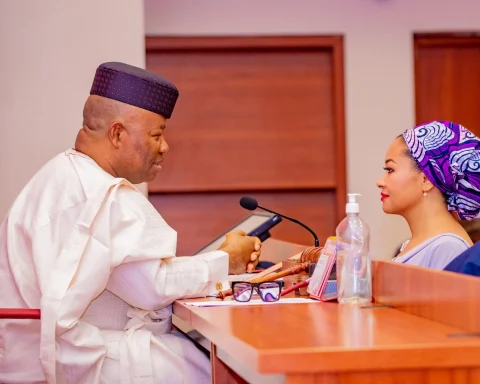
The National Assembly is also urged to play a more active role in resolving the dispute. Stakeholders believe that legislative intervention could facilitate a balanced resolution that addresses the needs of workers while considering the country’s economic capacity.
However, the ongoing strike underscores the critical need for a comprehensive review of the national minimum wage. Both the government and labour unions must work together to ensure that Nigerian workers receive a fair wage without jeopardising the nation’s economic stability.