 Emmanuel Ochayi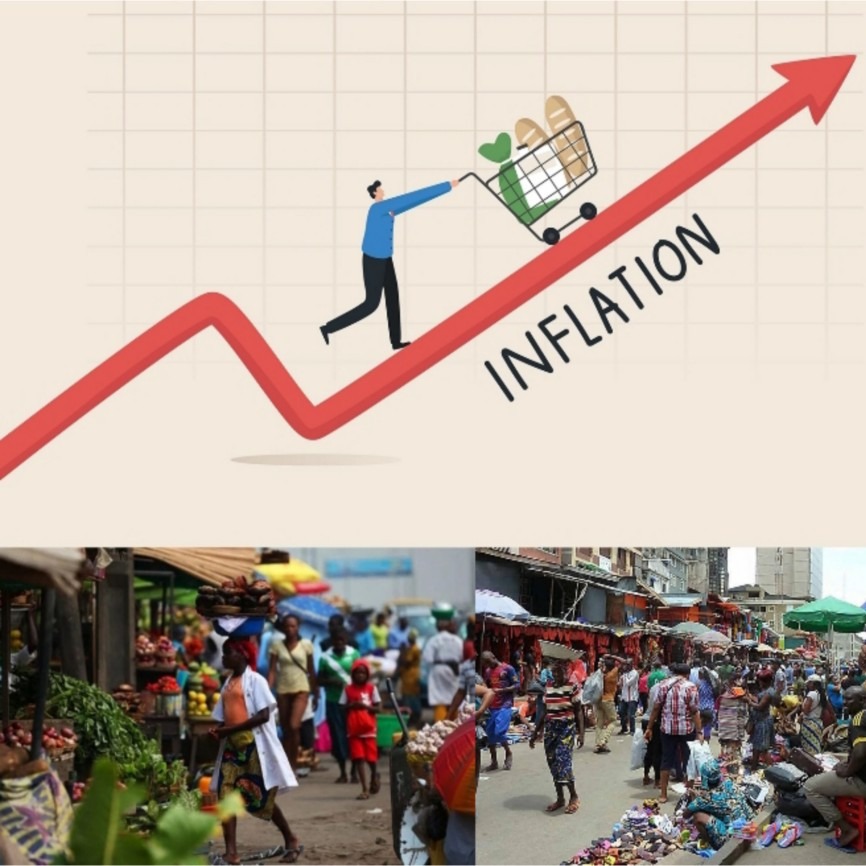
Global financial advisory service firm, KPMG, has predicted that Nigeria’s headline inflation is poised to skyrocket to 30% by the end of 2023. The West African nation, already grappling with a headline inflation rate of 26.72% in September, is facing a challenging economic landscape.
In its macroeconomic review for the first half of 2023 and an outlook for the second half, KPMG expounded on the factors contributing to this inflationary surge. “We anticipate that the current inflationary pressure in the economy will persist into H2 2023… Specifically, our model suggests that the combined influence of fuel subsidy removal and foreign exchange liberalization may drive headline inflation to about 30% by December 2023,” KPMG stated.
Join our WhatsApp ChannelKPMG’s analysis also offered a fresh perspective on monetary policy, highlighting that the existing increase in the Monetary Policy Rate (MPR) adopted by the Central Bank over the past 18 months has proven ineffectual in curbing inflation. Instead, the report recommended addressing root causes, such as energy and transportation costs, supply chain challenges, and the promotion of local production as more effective measures.
READ ALSO: Fitch Retains Nigeria’s Credit Rating At B-, Predicts Inflation At Below 21%
Additionally, KPMG’s report shed light on the impact of economic reforms by the government, including fuel subsidy removal and the unification of the foreign exchange market, on Nigeria’s GDP growth.
The report projected a GDP growth rate of 2.6% for 2023, a reduction from the World Bank’s earlier projection of 2.8% for the year, and a drop from the 3.1% growth rate achieved in 2022.
The report stated, “We expect the Nigerian economy to grow by 2.6% in 2023, lower than the revised World Bank’s 2023 forecast of 2.8% for Nigeria and the 3.1% growth rate achieved in 2022.”
It also emphasized that the turbulence experienced in the first half of the year, including the naira redesign policy, decreased crude oil output, high inflation, and the policy changes regarding fuel subsidies and naira devaluation, will have lingering repercussions throughout the year.
Notably, Nigeria has been grappling with a persistent rise in inflation for the past nine months, reaching a two-decade high of 26.72% in September. These soaring inflation levels have been attributed to measures such as fuel subsidy removal and currency market reforms, spearheaded by President Tinubu.
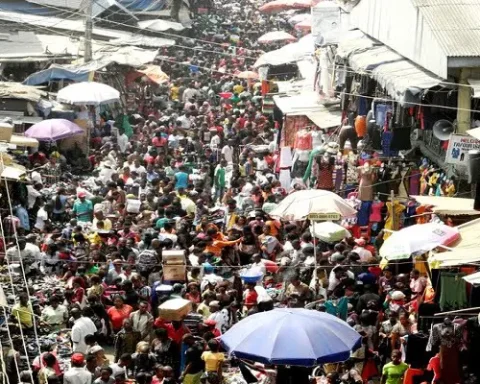
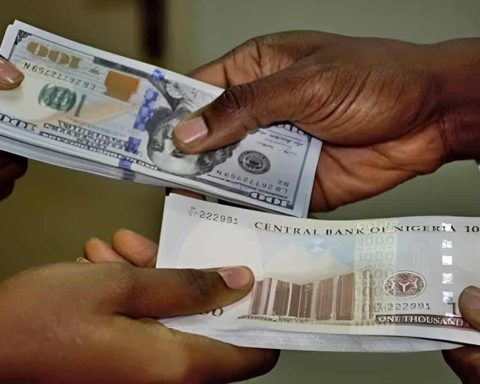
As a result, transport costs and food prices have doubled, with the naira weakening by almost 60%, trading at N780 to the USD in the official exchange rate. With Nigeria reliant on food imports to meet domestic demand, food inflation has surged to 30%, according to the National Bureau of Statistics (NBS).
This revelation from KPMG underscores the economic challenges Nigeria faces and raises concerns about the impact of ongoing reforms on the country’s financial landscape.