 Emmanuel Ochayi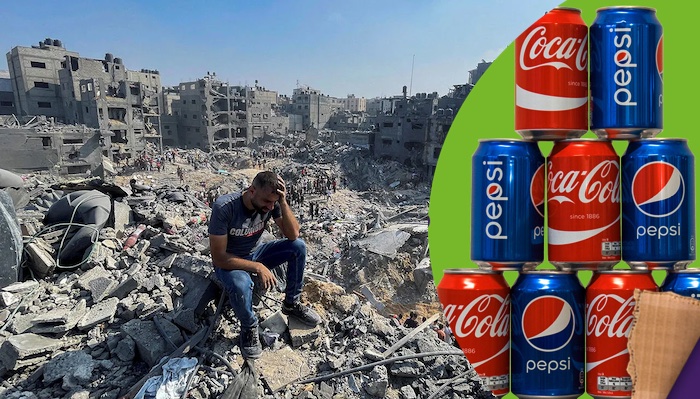
Coca-Cola and PepsiCo, two of the world’s largest beverage giants, are currently grappling with a growing wave of consumer boycotts in several Muslim-majority countries due to the ongoing Israel-Gaza Conflict.
This backlash, sparked by the ongoing Israel-Gaza conflict, has caused a noticeable dip in sales across key markets such as Egypt, Pakistan, and Bangladesh.
Join our WhatsApp ChannelConsumer Boycotts Impact Sales
The boycotts are part of a broader movement among consumers in these regions, driven by dissatisfaction with U.S. support for Israel.
Many customers are opting to avoid American brands as a form of protest. In Pakistan, for example, local brands are beginning to replace these global giants on store shelves.
Sunbal Hassan, a Pakistani corporate executive, reflected this sentiment at a personal level by excluding Coca-Cola and Pepsi products from her wedding menu.
“With the boycott, one can play a part by not contributing to those funds,” she explained.
PepsiCo’s CEO, Ramon Laguarta, acknowledged the impact of these consumer decisions, stating, “Some consumers are deciding to make different options in their purchases because of the political perception.”
READ ALSO: Israel-Gaza Conflict: UN Secretary-General Calls For Ceasefire
However, he remained optimistic about the company’s future, adding, “We will manage through it over time.”
Local Brands on the Rise
As the boycotts gain momentum, local beverage brands in these countries are starting to gain ground. In Egypt, V7 is emerging as a popular alternative, while in Pakistan, Cola Next is seeing an increase in demand.
These domestic products are being perceived as more aligned with the sentiments of local consumers, who view international brands as symbols of U.S. influence.
Paul Musgrave, an associate professor at Georgetown University in Qatar, pointed out the long-term implications of these boycotts.
“If you break habits, it’s going to be harder to win you back in the long run,” he said, emphasizing the potential challenge that Coca-Cola and PepsiCo may face in regaining market share.
Company Responses and Market Strategies
Despite the challenges, both Coca-Cola and PepsiCo remain committed to their presence in these markets. Coca-Cola, for instance, invested an additional $22 million in Pakistan earlier this year.
Meanwhile, PepsiCo has reintroduced its Teem soda brand with a “Made in Pakistan” label, signaling a shift towards catering to local preferences.
Coca-Cola’s bottler in Pakistan expressed optimism, stating, “We remain positive about the opportunity in Pakistan. We invested in the market with a long-term commitment.”
However, the reality on the ground is sobering. According to market researcher NielsenIQ, Western beverage brands saw a 7% decline in sales across the Middle East during the first half of the year.
GlobalData reports that Coca-Cola’s market share in Pakistan dropped to 5.7% from 6.3% in 2022, while Pepsi’s share decreased from 10.8% to 10.4% during the same period.
The Broader Impact of Boycotts
These boycotts underscore the complex relationship between consumer behavior and geopolitical tensions.
Zahi Khouri, founder of National Beverage Company, which sells Coca-Cola products in the West Bank, commented on the situation, saying, “Boycotts are a matter of personal choice, but they don’t help Palestinians. Only ending the occupation would help the situation.”
As the conflict in Gaza continues, it remains to be seen how these developments will further affect the business operations of Coca-Cola and PepsiCo in the region.
Companies are now navigating a challenging environment and balancing their global presence with local sensitivities.

Emmanuel Ochayi is a journalist. He is a graduate of the University of Lagos, School of first choice and the nations pride. Emmanuel is keen on exploring writing angles in different areas, including Business, climate change, politics, Education, and others.
- Emmanuel Ochayi
- Emmanuel Ochayi