Invest Fuel Subsidy Removal Gains On Infrastructural Devt, NECA Advises Nigerian Govt

January 29, 2024
Invest Fuel Subsidy Removal Gains On Infrastructural Devt, NECA Advises Nigerian Govt

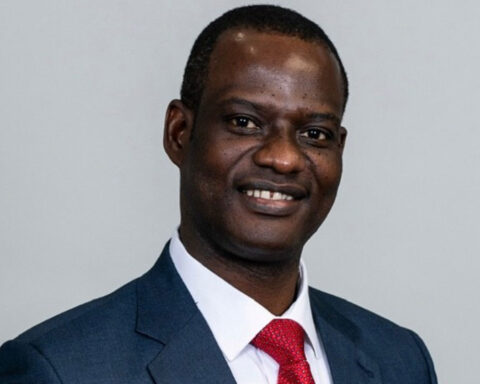
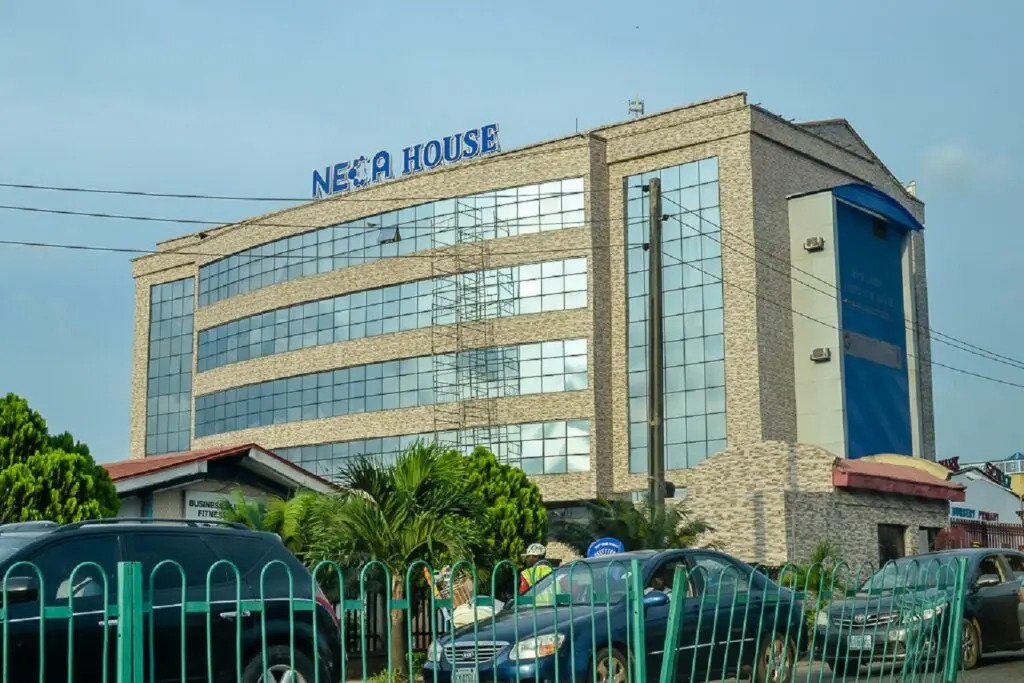
The Director-General of the Nigeria Employers’ Consultative Association (NECA), has urged the Federal Government to reinvest gains from fuel subsidy removal into critical infrastructure projects.

Oyerinde emphasized that while expectations for a reversal of fuel subsidy removal persist, redirecting revenue from this move into infrastructure development, including road construction, electricity enhancement, and revitalization of national refineries, is essential for economic regeneration.

Join our WhatsApp Channel

He stated: “Fuel subsidy removal has increased the cost of doing business, affecting sectors such as transportation and logistics, leading to lowered household consumption and impacting the real sector’s production.”

READ ALSO: Nigeria: Fuel Subsidy Removal, FX Reforms Will Save N8trn Annually

Addressing the need for small business support, Oyerinde stressed the importance of providing basic infrastructure like power and secure road networks. He also highlighted the necessity of creating a business-friendly environment by streamlining regulations and reducing the burden of multiple taxes.

President Bola Tinubu’s announcement of the end of the fuel subsidy regime in May marked a significant policy shift. Data from the Federal Account Allocation Committee reveals that the government successfully saved N1.45 trillion between June and November last year through petrol subsidy removal.

Oyerinde asserted, “Fixing the regulatory environment is essential to make businesses competitive. Regulatory agencies should be assessed based on how they facilitate and incentivize businesses.”

The NECA DG emphasized that sound infrastructure and a supportive regulatory environment would address challenges faced by small businesses, making them more attractive and competitive. Managing the macroeconomy to sustain household income and combat inflation is crucial to maintaining purchasing power and driving economic growth, he concluded.

emmmmmm
+ posts

Emmanuel Ochayi is a journalist. He is a graduate of the University of Lagos, School of first choice and the nations pride. Emmanuel is keen on exploring writing angles in different areas, including Business, climate change, politics, Education, and others.

Emmanuel Ochayi

Emmanuel Ochayi is a journalist. He is a graduate of the University of Lagos, School of first choice and the nations pride. Emmanuel is keen on exploring writing angles in different areas, including Business, climate change, politics, Education, and others.
Uzodinma Berates Oil Majors In Nigeria Over Environmental Negligence, Questions Their Investments
Previous Story

Uzodinma Berates Oil Majors In Nigeria Over Environmental Negligence, Questions Their Investments

Nigerian Leaders And Their Advisers
Next Story

ECOWAS Split Reflects Nigeria’s Waning Regional, Global Influence – Obaze

Featured Stories

Latest from News

Deposed Emir Sanusi

Sanusi Rejects Move to Include Traditional Rulers in Constitution

The Emir of Kano, Alhaji Dr. Sanusi Lamido Sanusi, has rejected proposals to formally include traditional rulers in Nigeria’s Constitution, calling the move unnecessary and politically motivated. In a television interview, Sanusi said the authority of traditional rulers comes from the love
Deposed Emir Sanusi

Emir of Kano Blames Governance Gaps for Girls Being Out of School

The Emir of Kano, His Highness Muhammadu Sanusi II, has identified structural challenges, rather than cultural factors, as the main barrier keeping many girls out of school in Nigeria. Speaking in a televised interview, Sanusi said the government’s failure to provide schools
Uzodinma Berates Oil Majors In Nigeria Over Environmental Negligence, Questions Their Investments
Previous Story

Uzodinma Berates Oil Majors In Nigeria Over Environmental Negligence, Questions Their Investments

Nigerian Leaders And Their Advisers
Next Story

ECOWAS Split Reflects Nigeria’s Waning Regional, Global Influence – Obaze

Don't Miss