Fakoyejo Olalekan
On Wednesday, the United States announced a 41-year inflation high of 9.1% for the period of June, rising by 5.81% month-on-month, and this will trigger debt headache for Nigerian government.
In May, the US had reported that the inflation rate stood at 8.6%, and there have been projections that it will rise further last month. It reflects continued disruption of global trade by the war between Russia and Ukraine.
Join our WhatsApp ChannelThe increment will compel the US Federal Reserve to raise interest rate by at least 50 points, taking it above 2%, having placed the benchmark for interest at 1.50-1.75% after a 75 basis points increase in May.
How U.S rising inflation affects Nigeria
With a new hike in US interest rate coming in July, the cost of borrowing dollar-denominated debt will rise, affecting developing countries like Nigeria that run mostly on deficits, and depends on foreign bonds to finance budget.
Already, in 2022, Nigeria has raised $1.25 billion eurobond with seven-year maturity period, and was also mulling another $950 million bond before it stepped down the plan.
The country has N83.52 trillion external borrowing, and with the country’s revenue generation problem, rising from inability to raise fuel cost and inflation rate reducing consumer spending, there are concerns Nigeria’s ability to finance it’s current and future debt is weakening.
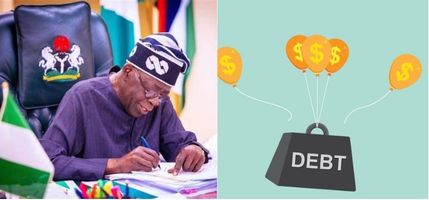
Prime Business Africa understands that Nigeria’s debt service-to-revenue ratio stood at 96% in 2021. This means for every N100 the country makes, the government uses N96 to finance debt.
The debt service-to-revenue ratio had risen from 81.1% in 2020, indicating that the government is borrowing more than it is making. In the last 20 years, Nigerian government earned N114.46 trillion, but borrowed N225.93 trillion during the same period.
It’s noteworthy that, before the administration of President Muhammadu Buhari, Nigeria’s debt to revenue ratio stood at 34%, however, the current administration has been earning revenue to pay debt, leaving little to nothing for capital projects.
Other things connecting U.S interest rate with Nigerians
Nigeria will now have to pay more if the government plans to raise foreign debt to fund capital projects and make foreign liquidity available for traders involved in importation business.
However, repaying is not the only headache for Nigerian government, keeping in mind that the increased interest rate will reduce money supply, making less capital available for borrow. That means debt raising instruments like US and eurobonds will become significant expensive and attractive, making Nigerian bonds unattractive, and compel the government into raising yields to lure investors.
Meanwhile, with the interest rate rising in US, investment into Nigeria will fall, as companies will avoid obtaining the costly credit to expand operation, and the ripple effect will be reduction in employment, and rise in unemployment, as firms will have to cut their workforce to sustain revenue and pay their debts.
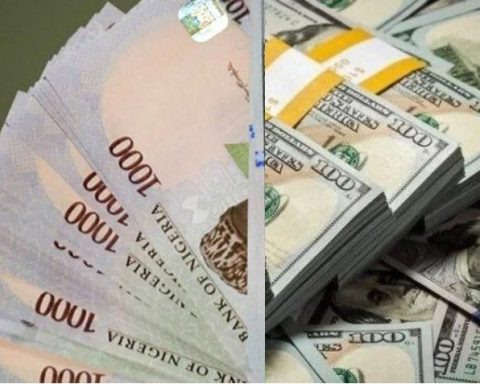
The US raising interest rate is meant to strengthen its currency, and a strong dollar will erode the value of the naira, which currently trades at N424.58/$1 in the official foreign exchange market, but exchange at N618/$1 in the black market, which is considered more realistic – this will further make imported goods and products dependent on foreign raw materials costly.
Nigeria would have benefited from the rising interest rate which will cause a strong dollar, as it usually spur importation of goods into the US, however, Nigeria is more importation-dependent, than exportation.