 Emmanuel Ochayi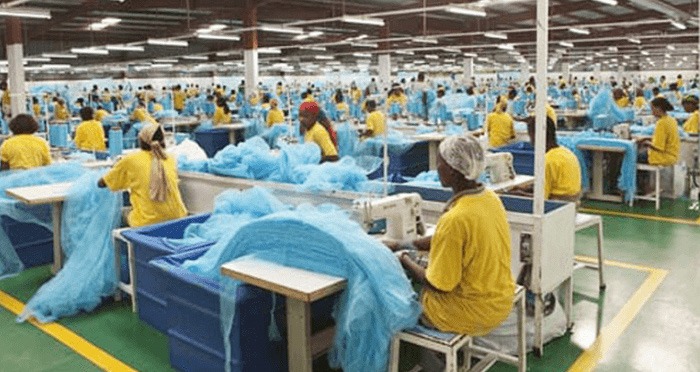
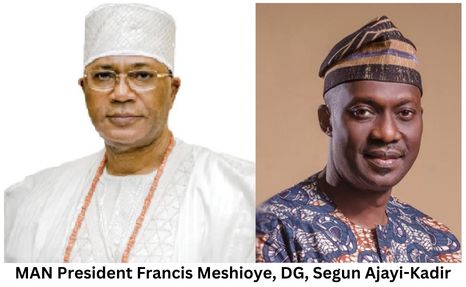
The manufacturing sector in Nigeria faced an arduous 2023 due to a culmination of challenges stemming from government policies, as highlighted by the Director-General of the Manufacturers Association of Nigeria (MAN), Segun Ajayi-Kadir.
Speaking on the sector’s impediments, Ajayi-Kadir emphasized the adverse effects of policies on power, transport, and ports, limiting economic growth.
Join our WhatsApp ChannelHe stressed that despite various initiatives, the manufacturing sector remained largely import-dependent, contributing less than 10% to the GDP due to inflation and high-interest rates, hindering its potential for expansion.
Ajayi-Kadir articulated concerns regarding the acute shortage of forex, hindering the importation of crucial raw materials and machinery essential for production. He pointed out various challenges such as high inflation, multiple taxes, inadequate power supply, poor infrastructure, and unfavorable monetary policies, all exacerbating difficulties for manufacturers.
READ ALSO: GSK, P&G Exit: Nigerians Should Worry More About Impact Of Heavy Import On Economy – MAN DG
The scarcity of naira notes, following the Central Bank’s redesign policy, impacted the manufacturing sector, causing disruptions in the flow of goods and subsequently, a substantial drop in sales, as highlighted by Francis Meshioye, the President of MAN.
The Purchasing Managers Index revealed a contraction in manufacturing activities, signaling challenges within the sector.
The burden of over-taxation due to multiple levies and fees was a concern. Meshioye condemned the increase in excise duty, labeling it as detrimental to an already struggling industry.
Additionally, high energy costs posed yet another hurdle, accounting for a substantial portion of manufacturers’ expenses, leading to resistance against proposed electricity tariff hikes.
The forex scarcity, worsened by the Central Bank’s decision to allow the naira’s value to fluctuate based on market forces, resulted in a sharp drop in the currency’s value, increasing operating costs for manufacturers.
READ ALSO: Electricity Tariff Increase Unjust, Wrongly Timed – MAN DG
Furthermore, the removal of fuel subsidies by President Bola Tinubu led to increased manufacturing costs, reflecting higher prices for locally produced goods.
As a consequence of these challenges, multinational manufacturing companies such as Procter & Gamble, Unilever, GlaxoSmithKline, and Sanofi-Aventis opted to halt ground operations in Nigeria, while focusing on importation of their products from elsewhere.
Looking ahead to 2024, the manufacturing sector anticipates a challenging first half of the year, with real growth expected at around 3.2%. Despite these obstacles, the Manufacturers Association of Nigeria remains optimistic about the possibility of recovery in the later part of the year, contingent upon supportive policy stimulus and growth-driven strategies.
In response to these difficulties, industry stakeholders urge the government to prioritize the manufacturing sector, emphasizing the need for more inclusive governance, transparent policies, and concerted efforts to tackle challenges like inflation, unemployment, security, and social inequality.
George Onafowokan, CEO of Coleman Wires and Cables, stressed the importance of government advocacy for the industry’s needs, calling for increased attention and support from the Ministry of Industry, Trade, and Investment to alleviate the sector’s struggles.

Emmanuel Ochayi is a journalist. He is a graduate of the University of Lagos, School of first choice and the nations pride. Emmanuel is keen on exploring writing angles in different areas, including Business, climate change, politics, Education, and others.