 Prosper Okoye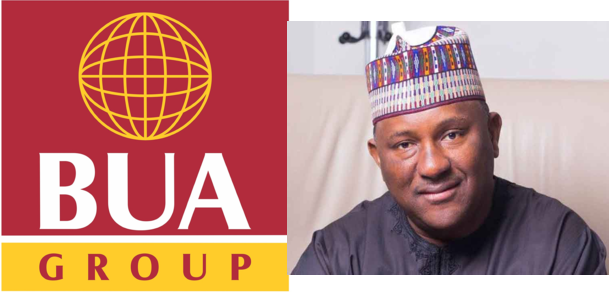
Nigerian billionaire Abdul Samad Rabiu says a long-term loan from the Africa Finance Corporation helped transform his company, BUA Group, from an importer of cement into one of Africa’s largest producers, in a shift he says offers a model for how the continent can capture more value from its natural resources.
Speaking Tuesday at an Africa Finance Corporation forum during the Mining Indaba 2026 conference, Rabiu urged African governments and businesses to stop exporting raw materials and instead invest in local processing and manufacturing.
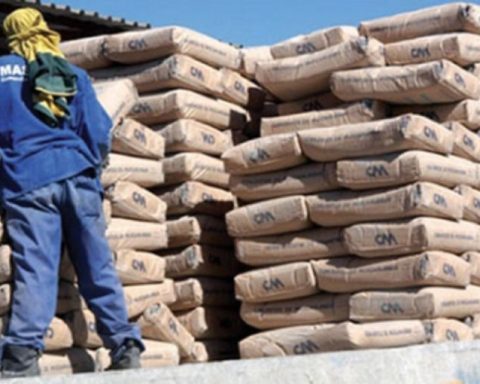
More than 16 years ago, Rabiu said, BUA faced a choice: continue importing bagged cement from overseas, or use Nigeria’s limestone reserves to produce cement locally.
Join our WhatsApp Channel“The real question was not whether the resources existed,” Rabiu said. “It was whether there was enough conviction to stop importing and start producing locally.”
From Importer To Exporter
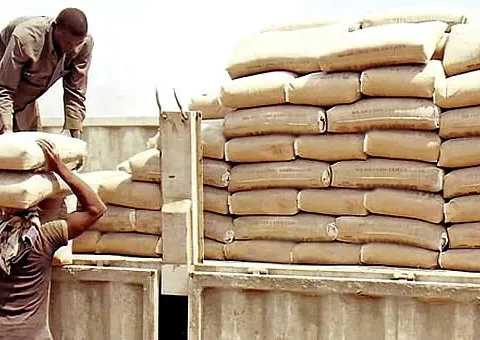
Today, Rabiu said, BUA mines about 40,000 tonnes of limestone a day, while its factories produce nearly one million tonnes of cement each month. Nigeria, once heavily dependent on imported cement, now exports cement to neighbouring countries.
Rabiu said the shift was driven partly by frustration with Nigeria’s reliance on foreign exchange to import basic industrial goods.
“We were spending more time chasing dollars than selling cement,” he said.
A $400 Million Bet
Rabiu said the turning point came when the Africa Finance Corporation (AFC) provided more than $400 million in long-term financing for BUA’s cement and industrial projects.
He said much of that money has already been repaid, showing that large-scale African industrial projects can be both commercially viable and good for development.
Rabiu also welcomed AFC’s recent S&P Global credit rating upgrade with a positive outlook, saying it reflected growing confidence in African development finance institutions.
Africa’s Resource Paradox
Rabiu said Africa remains trapped in a model that exports raw materials while importing finished goods.
The continent holds some of the world’s largest reserves of gold, cobalt, copper, iron ore and diamonds, and grows most of the world’s cocoa beans, he said, yet captures only a small share of the value created through processing, manufacturing and branding.
“We do not lack resources,” Rabiu said. “What we lack is processing capacity, industrial scale and disciplined execution.”
He said the same pattern applies to agriculture, noting that Africa has about 60% of the world’s uncultivated arable land but still spends billions of dollars importing food.
Read Also:
Abdul Samad Rabiu Outearned Aliko Dangote By N670bn In Q3 2025
Abdul Samad Rabiu’s Investment In BUA Cement Rises To N3.15trn
Billionaire Abdul Samad Rabiu’s N3.92trn Windfall In 12 Months
Call for Policy and Capital
Rabiu said Africa’s industrial transformation will not happen without deliberate action from governments, financiers and businesses.
He called on development banks to expand long-term financing for processing industries, and urged governments to support local manufacturing through infrastructure investment and industrial policy.
“Industrialisation does not happen by accident,” Rabiu said. “Countries that industrialised planned for it, built for it and protected their industries until they were strong enough to compete.”
He said Africa’s opportunity lies in bringing together private investors, patient capital and supportive government policy to move the continent from exporting raw materials to producing finished goods at home.

Prosper Okoye is a Correspondent and Research Writer at Prime Business Africa, a Nigerian journalist with experience in development reporting, public affairs, and policy-focused storytelling across Africa