Fakoyejo Olalekan
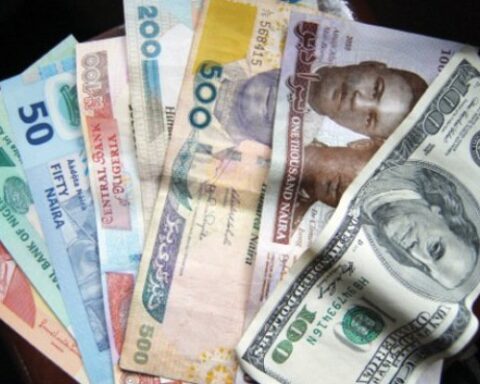
Nigerian banks have began to implement the 13% interest rate to mortgage, corporate and personal loans, after the Central Bank of Nigeria (CBN) raised the percentage in May, by two percents, from 11.5%, to tame inflation.
The raise is expected to make cost of borrowing high, increase cost of goods and other service, such as property or housing, food, and other commodities in short-term, which will drive down consumer spending or demands, and in turn, is projected to discourage manufacturers and other businesses from obtaining loan, as well as raising prices of goods and services in the longterm, due to fall in purchasing power.
Join our WhatsApp ChannelCBN had maintained interest rate on loan at 11.5% for about two years, but with the government struggling to bring down inflation below two-digits, after it touched 16.8% in April, the financial regulator increased loan rate to 12.15% last month.
Although, rates given to manufacturers are often above the benchmark, hence, the industry receiving loan with interest between 12% to 30% when the CBN kept the rate at 11.5% – considering it has now risen to 13%, manufacturers will have to pay much more than usual, at a significant level.
Cost of houses underconstruction, and to some large extent, already built apartments or blocks will readjust to the increased rate, as real estate investors or builders financing their housing project with mortgage loan, will have to pay more to obtain credits from commercial banks.
The CBN governor, Godwin Emefiele, is sure that the hike in interest will tame inflation, even though it could go the other way, “On the need to tighten, MPC feels compelled that tightening would help moderate inflationary trade-off from the steady growth so far recorded and improve real GDP.
“It also feels that tightening would help rein inflation before it assumes the galloping frame considering the rising increase in headline inflation month-on-month.”