 Victor Ezeja
The Organised Private Sector (OPS) has lamented that the recent hike in electricity tariff by the Nigerian government may force over 65 per cent of private businesses to shut down.
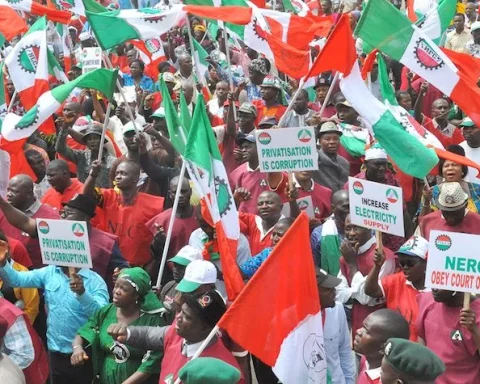
The OPS which comprises the Nigerian Association of Chambers of Commerce, Industry, Mines and Agriculture (NACCIMA), National Employers Consultative Association (NECA), Manufacturers Association of Nigeria (MAN), National Association of Small and Medium Enterprises (NASME), and Nigerian Association of Small Scale Industrialists (NASSI), voiced their concerns through a statement addressed to President Bola Tinubu on the need to suspend the tariff hike to save businesses, jobs and the economy in general.
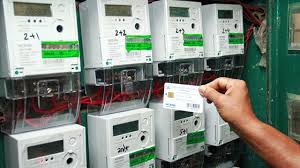
Join our WhatsApp ChannelThe Nigerian Electricity Regulatory Commission (NERC) recently announced an increase in electricity tariff for band A customers from an average of N68 per kilowatt hour (Kwh) to N225kwh with effect from 3 April 2024. It said this is in line with the implementation of the April 2024 Supplementary Order for the Multi-Year Tariff Order (MYTO) which provides for periodic adjustment of the electricity in line with prevailing realities such as inflation rate, foreign exchange rate, cost of gas used in power generations among other factors that affect input costs.
While noting that with the new tariff, Nigeria now ranks third after Germany and the United Kingdom in terms of countries with high electricity, OPS expressed concern in Nigeria’s case, consumers are subjected to pay high for poor power supply.
READ ALSO:
- Electricity Tariff: Minister Pledges Reduction If Exchange Rate Falls Below N1,000/$1
- Nigeria’s Electricity Tariff Hike: Any Impact On Productivity?
- Electricity Tariff Increase Threatens Long-term Sustainability Of Businesses Across Sectors – ACCI
They also faulted the timing of the electricity tariff hike, noting that it came at a time when the country was experiencing macroeconomic instability infrastructural deficits and other challenges in the business environment.
The group said: “Clearly, with the new tariff of N225/kwh, Nigeria now ranks third after Germany and the United Kingdom on the list of countries with high electricity costs. What is most worrisome with the Nigerian case is the fact that the electricity to be supplied is not adequate.
“Also, the increase is coming on the heels of macroeconomic instability, infrastructure deficits, as well as other supply-side constraints limiting the performance of the productive sector. Truth be told, over 65 percent of private businesses, especially manufacturing concerns and SMIs, may be forced to close down due to the high electricity tariff.”
Concerns about FX Rate for New Electricity Tariff, Impact on Inflation
OPS further pointed out that the hike in electricity tariff for band A customers will heighten inflation and aggravate economic hardship across the country.
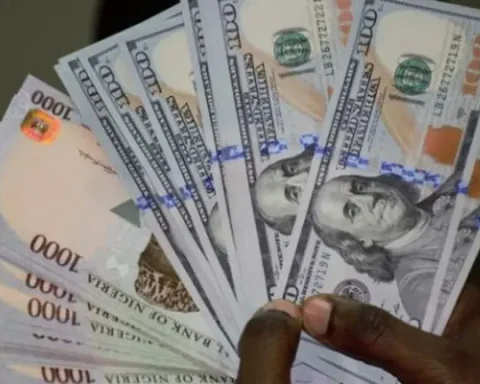
They also observed that the exchange rate of N1463.31/$1 used in calculating the new electricity tariff for Band A customers does not reflect the current FX rate, considering the appreciation of the naira in the last one month.
The group finally called on President Bola Tinubu to suspend the implementation of the electricity tariff and allow stakeholders in the sector to discuss the acceptable parameters to be used in determining it.

Victor Ezeja is a passionate journalist with seven years of experience writing on economy, politics and energy. He holds a Master's degree in Mass Communication.