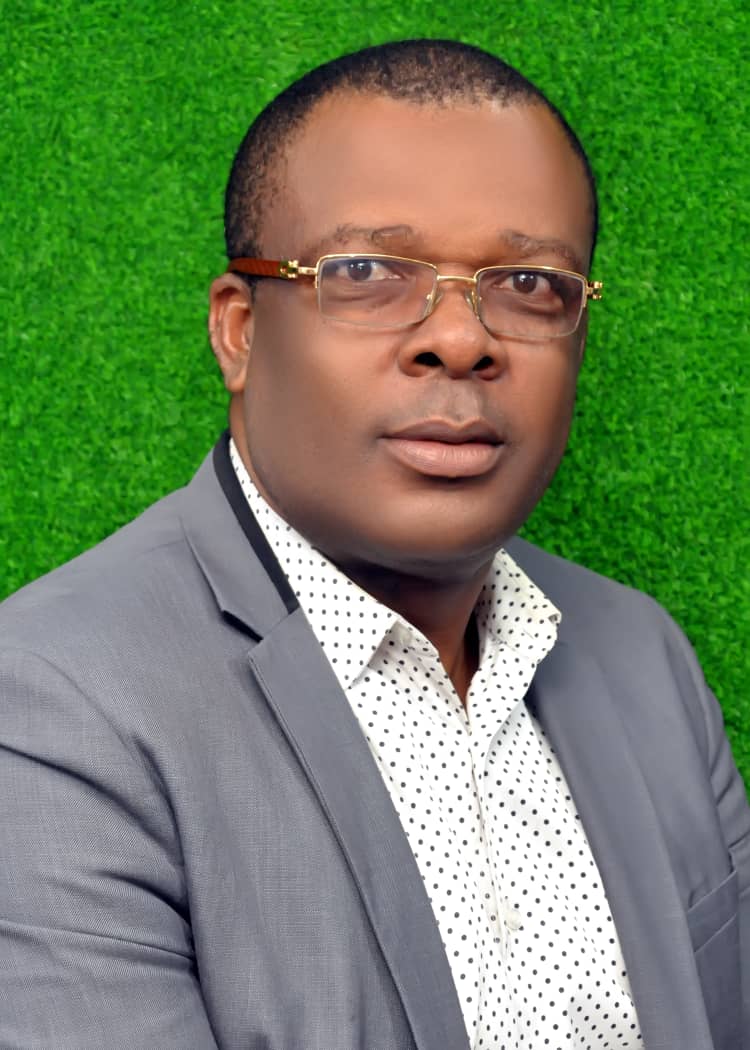
 MARCEL MBAMALU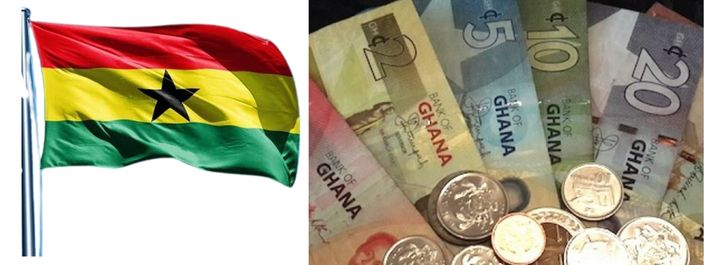
In my previous article, “New Tax Reforms: Ghana Walking Into Nigeria-type Trap?”, I raised serious concerns about Ghana’s tax policy reforms and potential impact on its economy. Upon further reflection, however, I realize that Ghana’s situation is even much more complex and dire. With a default on their Eurobond, a high level of local debt, and a struggling economy, Ghana’s challenges run deeper than just tax reforms. I will, in this follow-up article, try to explore the implications of Ghana’s economic woes.
While the government’s efforts to alleviate the burden of high prices on citizens are understandable, they must also address the underlying structural issues to avoid perpetuating a debt trap and economic policy trap similar to Nigeria’s.
Join our WhatsApp ChannelAs stated earlier, the situation in Ghana is scary! Not only did the country default on its Eurobond and give its investors a haircut in restructuring a $13bn loan, Ghana also has a very unsustainable level of local debt forcing it to make tough decisions. Ghana also just did a third review of its $3bn IMF loan, struggling to fund its budget and keep basic public services alive.
Inflation has moderated from the peak of 54.1% it was in December 2022, but it’s still relatively high at 22.1%. The Ghanian Cedi which lost about 60% of its value against the US Dollar in 2021/22 is yet to regain stability. In fact, the currency has also been relatively weak year-to-date. The banking sector’s Non-Performing Loans (NPL) outlook is in high-double digit, with one out of every five Ghana Cedi loan in the banking sector designated as non-performing. Indeed, a saving bullet for Ghana is the modest commodity price level, especially oil. Even so, the oil production level remains marginal.
I do not necessarily agree with many of the cosmetic reforms by some African governments, some of which are inadvertently being pursued to satisfy some lenders’ terms and conditions for loan restructuring. However, the Ghanaian government is between a rock and a hard surface. They are at a point where the prices of those items are almost unbearable for Ghanaians because they have no local substitutes for them, and the depreciation of the Cedi makes it so expensive for people to afford basic medications. Consequently, the only thing the government had control over in the short term was the reduction/waiver of import duties. Whilst it denies them badly needed revenue, the government wants to alleviate the burden of high prices of those items on citizens in an election year.
READ ALSO: Top 15 African Countries With The Highest External Reserves
Agreed. There is no shortcut to making up for the decades of fiscal recklessness and perennial decline in productivity. The same case for Nigeria, where there is no magic wand.
In pre-2008 Ghana, for instance, one could see the conservative lifestyle that aligned with the productivity of the economy. Over the past 15 years, however, not only has the government been relatively wasteful, but the people have also developed an unsustainable consumption habit not supported by the productivity level. Of course, corruption also gained more ground across the private and public sectors, fueling transitory consumption.
I must conclude that this is the outcome of the choices made by the government and people over time. As painful as it may be, it may be an opportunity to restructure and chart a sustainable path going forward, bearing the pains with expectations of emerging stronger. This is the situation we have seen in the economic history of many countries like South Korea and Singapore to mention a few. The alternative would be to choose cosmetic reforms that continue to kick the can ahead with consequences of more painful and costly requirements for fixing the structural issues in the future.
As Ghana prepares for elections, many are saying that the present government must go. Of course, the government has its share of the issues. However, even the most intelligent leader with the highest level of integrity (if measurable) can neither fix Ghana nor Nigeria’s issues in eight years. It will definitely take consistent and painstaking reforms to emerge from the quagmire!
The argument in my previous article was that Nigeria did not have the best of times toying with removing import duties on certain items, which in specific situations succeeded in further killing local production. Ghana doing exactly the same in the same situation might just be having a blind date and could be walking into what I call, the “Nigeria-type trap.”
However, the local factories that should be protected are dead already. We are talking of a situation where people can’t buy drugs; As in Nigeria, the so-called Pharma companies in Ghana are mainly importers, who, at best, mix the concentrates locally. In fact, 98% or more of the value addition is imported.
Of course, the corollary of the problem is always that when these waivers are granted, some would corrupt it again, which is what really needs to be checked.
So, it’s really a challenging time for most African countries, including Ghana and Nigeria, but these challenges may also be transformed into opportunities to reset and restructure the economies in a way that ensures improved productivity and reduced vulnerability, especially as the youthful population reinforces the risk of social unrest at this tipping point.
Dr Mbamalu is a Jefferson Fellow, Member of the Nigerian Guild of Editors (NGE), Communications/Media Consultant and publisher of Prime Business Africa

Dr. Marcel Mbamalu is a distinguished communication scholar, journalist, and entrepreneur with three decades of experience in the media industry. He holds a Ph.D. in Mass Communication from the University of Nigeria, Nsukka, and serves as the publisher of Prime Business Africa, a renowned multimedia news platform catering to Nigeria and Africa's socio-economic needs.
Dr. Mbamalu's journalism career spans over two decades, during which he honed his skills at The Guardian Newspaper, rising to the position of senior editor. Notably, between 2018 and 2023, he collaborated with the World Health Organization (WHO) in Northeast Nigeria, training senior journalists on conflict reporting and health journalism.
Dr. Mbamalu's expertise has earned him international recognition. He was the sole African representative at the 2023 Jefferson Fellowship program, participating in a study tour of the United States and Asia (Japan and Hong Kong) on inclusion, income gaps, and migration issues.
In 2020, he was part of a global media team that covered the United States presidential election.
Dr. Mbamalu has attended prestigious media trainings, including the Bloomberg Financial Journalism Training and the Reuters/AfDB Training on "Effective Coverage of Infrastructural Development in Africa."
As a columnist for The Punch Newspaper, with insightful articles published in other prominent Nigerian dailies, including ThisDay, Leadership, The Sun, and The Guardian, Dr. Mbamalu regularly provides in-depth analysis on socio-political and economic issues.