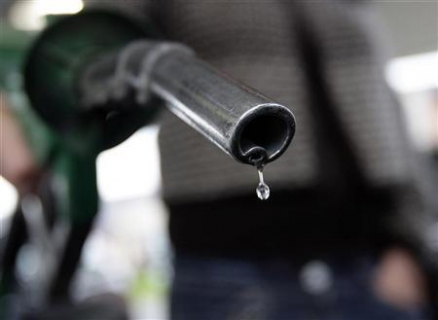
Less than 24 hours after President Bola Tinubu declared an end to fuel subsidy, the pump price of Premium Motor Spirit (PMS), commonly known as petrol, skyrocketed to N600 per litre from N195/l in various parts of Nigeria.
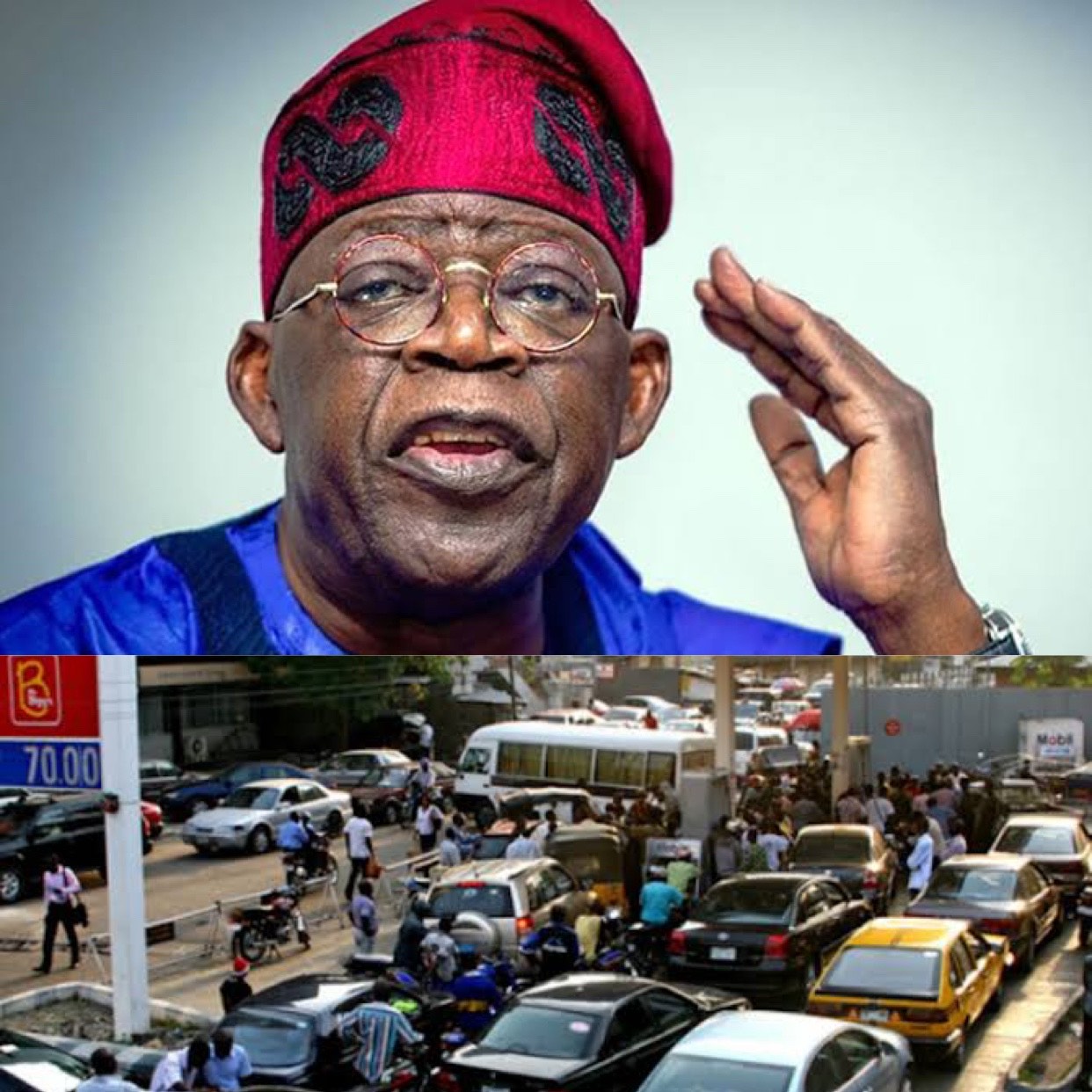
The sudden increase in fuel prices led to a surge in transport fares and the re-emergence of long queues at fuel stations across major cities, causing desperation and panic buying.
Join our WhatsApp ChannelIn response to the fuel crisis, Tinubu met with key stakeholders, including the Group Chief Executive Officer of the Nigerian National Petroleum Company Limited (NNPCL) and the Central Bank of Nigeria Governor, to address the situation.
During the meeting, Kyari stated that the Federal Government could no longer fund the subsidy, as the NNPC was owed N2.8 trillion that it had spent on petrol subsidy.
READ ALSO:Investors Rush To Buy N15.79bn Nigerian Stocks After Tinubu’s Promise
Kyari emphasized the difficulties faced by the NNPC in funding its core operations due to the subsidy payments. Kyari assured Nigerians that the government would initiate measures to cushion the effects of the subsidy discontinuance.
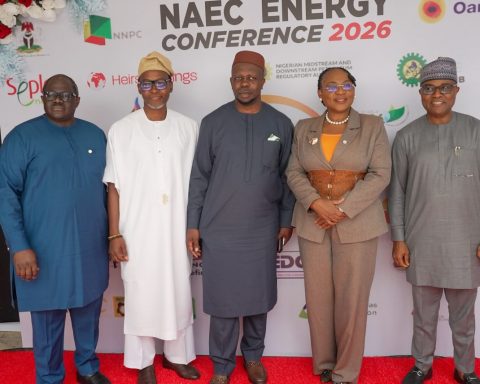
He mentioned ongoing discussions with the Nigeria Midstream and Downstream Petroleum Regulatory Authority to develop a framework for the implementation of the subsidy removal.
The Chief Executive Officer of the Nigerian Mainstream and Downstream Regulatory Authority, Faruk Ahmed, emphasized that the government would not place any price cap on the sale of petroleum products, encouraging competition among marketers.
In his inaugural address at the Eagle Square, President Bola Tinubu firmly announced the end of fuel subsidy, citing that the 2023 Appropriation Act did not allocate funds for petrol subsidy beyond June.
READ ALSO:Election Petition: Court Admits Obi’s First Witness Exhibit of Tinubu’s Alleged Drug Case
He emphasized that the subsidy regime had cost the country trillions of naira during the administration of former President Muhammadu Buhari. However, fuel stations took advantage of the President’s pronouncement and hiked the pump price, causing consternation among citizens.
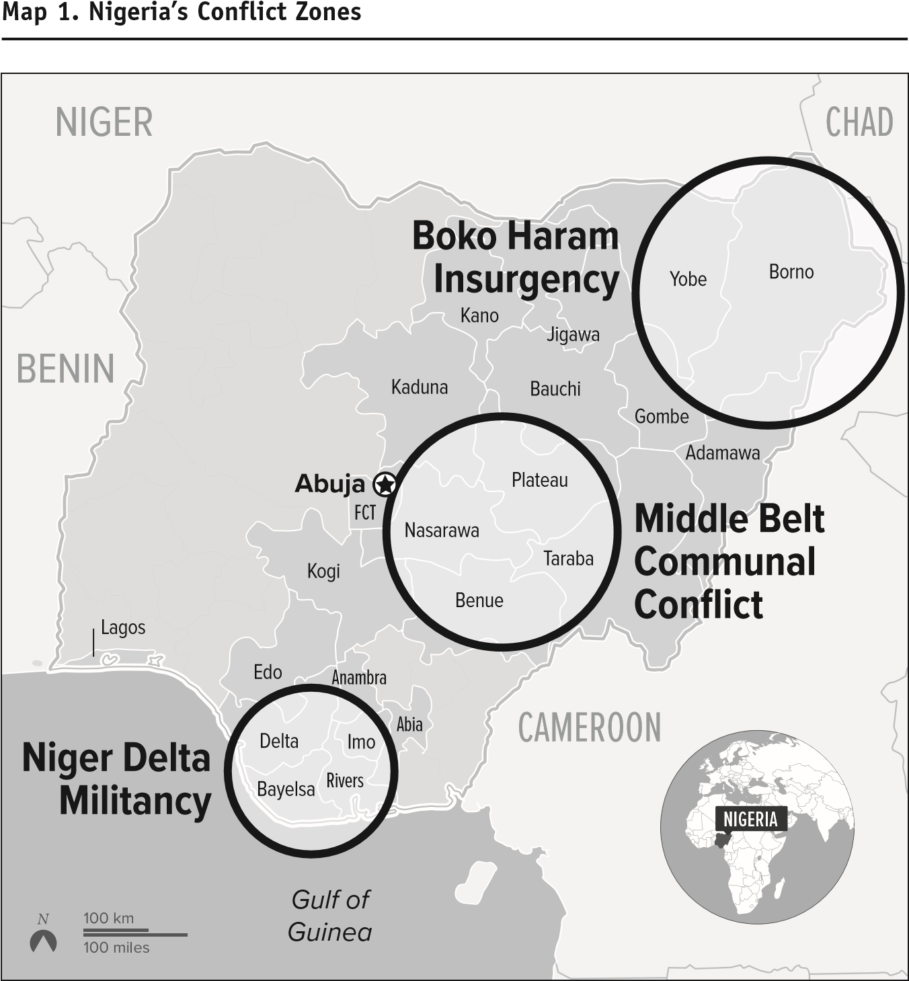
Following the removal of fuel subsidy, long queues and scarcity plagued fuel stations across Lagos, Abuja, Ilorin, Benin, Asaba, Port Harcourt, Kano, Makurdi, and other major cities.
Many fuel outlets shut down and refused to dispense fuel, exacerbating the scarcity and leading to panic buying. The situation led to a 100% hike in transport fares, causing further distress for the general population.
In response to the fuel crisis and the ensuing panic buying, Tinubu released a statement through the Asiwaju Bola Ahmed Media Centre, urging Nigerians not to resort to panic buying.
He clarified that his declaration of the end of subsidy was a communication of the status quo and that the termination of the subsidy regime would not take immediate effect.
To address the scarcity caused by hoarding, the Chairman of the Nigeria Governors’ Forum, Governor AbdulRahman AbdulRazaq of Kwara State, cautioned oil marketers against creating artificial fuel scarcity and imposing unnecessary hardship on citizens.
He expressed serious concern about the reports of sudden fuel scarcity in various parts of the state, emphasizing that such a situation was uncalled for.
The removal of fuel subsidy in Nigeria has led to a surge in fuel prices, long queues at fuel stations, and a hike in transport fares.