 Emmanuel Ochayi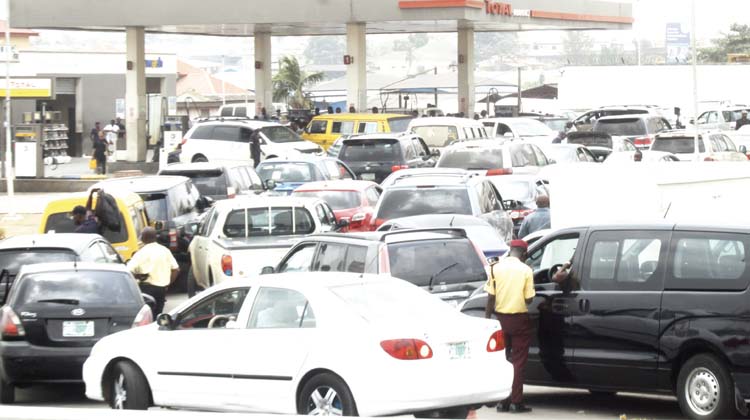
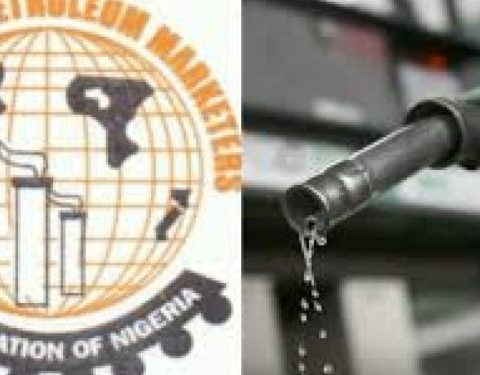
Petroleum marketers are calling for an extension of the emergency fuel supply initiative as fuel scarcity lingers across Nigeria.
The Nigerian National Petroleum Company Limited and the Nigerian Midstream and Downstream Petroleum Regulatory Authority (NMDPRA) have been advised to continue their emergency supply efforts for another two weeks to address the persistent shortages.
Join our WhatsApp ChannelLast week, the NMDPRA disclosed that around 4,000 trucks loaded with Premium Motor Spirit (PMS) departed from Lagos depots to supply fuel to various states, aiming to alleviate the scarcity that has plagued the country for nearly two weeks.
Despite these efforts, many filling stations remain closed in Lagos, Ogun, Abuja, Oyo, and other states due to insufficient fuel supply. Where available, PMS is being sold at inflated prices, prompting long queues at stations selling at more affordable rates.
Marketers acknowledge the government’s efforts to alleviate the situation but emphasize the need for sustained emergency supply to ensure the availability of fuel across the nation. Clement Isong, the Executive Secretary of the Major Energies Marketers Association of Nigeria, stressed the importance of filling up reservoirs at depots and filling stations to meet demand adequately.
Data from the NMDPRA indicates significant fuel discharge from vessels to marketers, with plans for continued berthing and supply over the next two weeks. Despite these assurances, concerns persist among Nigerians regarding the prolonged scarcity and its impact on daily life.
In response to the crisis, the NMDPRA regional coordinator, Ayo Cardoso, reassured the public of ongoing efforts to distribute fuel evenly and urged against panic buying. He highlighted the ex-depot prices of fuel, ranging from N556 to N645 per litre, providing insight into the costs incurred before reaching consumers.
READ ALSO: Fuel Scarcity: NNPC Blames Panic Buying, Marketers Disagree
“The remaining two vessels that will hopefully commence after completion of the protocol prescribed in the SOP for Jetty Operations are laden with approximately 150 million litres,” he said.
Marketers stress the need for increased supply to replenish reservoirs throughout the supply chain, from depots to filling stations. They argue that flooding the market with an abundance of fuel over the next two weeks is crucial to restoring stability and eliminating scarcity-induced challenges.
Speaking with our correspondent, the MEMAN Executive Secretary, Isong, expressed the belief that there was an increase in supply, adding that the queues will disappear if the government keeps the tempo.
He explained, “I think the tanks were really down. So, when you restore supply, the queues will disappear. There are five reservoirs of petrol; the last reservoir is the one in the tank of a car. You can operate from the top or bottom of your tank. In the recent past, petrol stations have been operating from the bottom of their tanks. If a petrol station has two 45,000-litre tanks and it has only five or 10,000 litres, it is operating from the bottom of its tank. That is the second reservoir.
“The third reservoir is what they call ‘goods-in-transit’. If the supply chain is working correctly, then at any point in time, we should have a thousand trucks on the road delivering products. That is another reservoir, the same thing for the pipelines. If the pipeline is full, that is another reservoir. That is the transportation.”
He added, “After that, we have the depots. If the depots are full, that is the biggest reservoir you have. We then have the vessels, whether it is the mother vessel or daughter vessel. That is another couple of million litres. Sometimes, if the cut in your supply chain is such that one of those reservoirs is empty, it will not be too difficult to come back.
“But in a world in which all your reservoirs are already operating from the bottom of the tanks; people don’t have enough in their tanks, you don’t have enough goods in transit, you don’t have enough in the tanks of the filling stations, you don’t have enough in the depots over some time; when you have this kind of challenge of scarcity, you really need to flood the market with 150 to 200 percent of the normal supply for two to three weeks so that everything fills up.”
Isong emphasized that the filling stations needed to be full, saying there were times in filling stations when trucks would be waiting to discharge because the underground tanks were still full.
“When you have that, it means you have filled up your complete supply chain. But where everything is just at the bottom of the tank, if one thing goes wrong, the entire supply chain dries up again. I think that is the stage that we’ve got to. We need to ramp up supply significantly in the country to about 200 percent for about two weeks so that the entire supply chain becomes robust again. That way, we can avoid this sort of challenge,” the MEMAN leader stated.
Despite these efforts, the scarcity persists in various parts of the country, with some filling stations closing due to the non-availability of PMS. Motorists face long queues and inflated prices, exacerbating the hardship caused by the ongoing fuel crisis.
As Nigerians continue to endure the impacts of fuel scarcity, calls mount for decisive action from the government to resolve the situation and alleviate the burden on citizens.

Emmanuel Ochayi is a journalist. He is a graduate of the University of Lagos, School of first choice and the nations pride. Emmanuel is keen on exploring writing angles in different areas, including Business, climate change, politics, Education, and others.