 Emmanuel Ochayi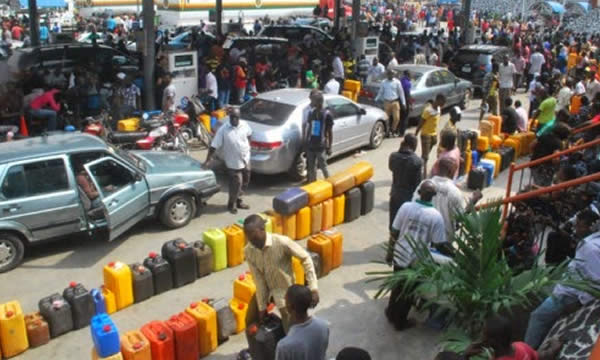
A Price Surge That Stunned a Nation
Nigeria, Africa’s largest economy, has faced a fuel price increase so staggering that citizens are left reeling in shock. In less than two years, fuel prices skyrocketed from N195 per litre to over N1,200 at some fuel stations. Under the administration of President Bola Ahmed Tinubu, this price hike, driven by the removal of fuel subsidies, has fueled a cost-of-living crisis, leaving Nigerians questioning whether these reforms are worth the pain.
“Subsidy is Gone” – The Starting Point
The fuel subsidy removal in May 2023 triggered the first wave of price hikes. During his inaugural address, President Tinubu made a bold declaration: “Subsidy is gone.” This announcement sent immediate ripples through the country, as fuel prices leaped from N198 to N540 per litre.
Join our WhatsApp ChannelPresident Tinubu defended the move, stating, “The trillions spent on subsidies were meant to improve healthcare, transportation, schools, housing, and national security. Instead, the funds ended up in the deep pockets of a few powerful individuals, a group that became a threat to the fairness of our economy.”
While the President framed this as a necessary step to rescue Nigeria from economic instability, the immediate impact was a surge in fuel prices, accompanied by a sharp rise in the cost of living. Small businesses increased their prices, transportation costs doubled, and food prices skyrocketed. The people began to feel the weight of what many now describe as an avoidable burden.
Another Blow: N540 to N617 Per Litre
Barely two months after the initial subsidy removal, the pump price of fuel jumped again in July 2023. At Nigerian National Petroleum Corporation Ltd (NNPCL) outlets, prices rose from N540 to N617 per litre. Nigerians, already grappling with inflation, faced even more pressure. Many had hoped the first price increase would be the last, but the market had other plans.
Mele Kyari, the Group Chief Executive Officer of NNPCL, attributed the rise to “market forces,” explaining that prices would continue to fluctuate based on global market realities. “This is a market-regulated pricing model,” he said, trying to justify the hike.
Fuel Queues Return as Debt Soars
The fuel crisis worsened as NNPCL’s debt obligations to international oil traders reached a staggering $6.8 billion. Despite the corporation’s attempts to downplay the issue, the persistent fuel queues and soaring food prices indicated a deeper crisis. On September 1, 2024, NNPCL spokesperson Olufemi Soneye confirmed that the nation’s fuel supply was under threat. Two days later, fuel prices shot up again, from N617 to N897 per litre.
READ ALSO: Lawmakers Warn Of Unrest Over Fuel Price Hike
The timing of this increase sparked public suspicion. Some experts believed the government had a hidden agenda, aiming to raise fuel prices above N1,000 per litre. These fears were soon realized.
Breaking the N1,000 Barrier
By October 2024, fuel prices had officially crossed the N1,000 threshold. The NNPCL announced another hike, with fuel selling for N1,030 per litre. However, in many parts of the country, fuel was being sold at prices as high as N1,500 per litre. This staggering increase sent shockwaves through Nigeria, with many wondering if the government had lost control of the situation.
The exit of NNPCL as the middleman in the Dangote Refinery fuel purchase deal marked a shift to a “willing buyer, willing seller” model. Fuel marketers now negotiated directly with the refinery, eliminating government subsidies that once kept prices manageable. Yet, this change left citizens worse off.
Public Outcry: “We Are Tired”
The fuel price hike ignited outrage across Nigeria, with citizens venting their frustrations. They are expressing their anger over the government’s policies. Ngozi Daniel said, “Tinubu just take the price that you want it to be. We are tired of your policies. Yesterday’s price is not today’s price.”
Another person, Yetunde Adedayo, echoed the sentiment, saying, “This situation is becoming unacceptable. Nigerians deserve respect from @officialABAT and his administration. This is unwarranted, and our patience has been stretched to its limit.”
At Oshodi, Daniel John expressed his concern: “The president should call them to order because what they are doing these days is getting out of hand. They are pushing poor Nigerians to the wall and if they push back things won’t be good for the government.”
A Nation in Crisis
The impact of the fuel price increase is devastating. Workers spend up to half their salaries on transportation, while small businesses are on the verge of collapse. The removal of fuel subsidies, intended to boost the economy, has pushed millions into poverty. One worker lamented, “My daily transportation fare has tripled from N800 to N4,500. How can we survive this?”
Others have taken desperate measures. Some employees sleep in their offices during the week to cut costs, while others have resigned from their jobs entirely. The benefits of the subsidy removal have not trickled down to the masses. Instead, it has widened the gap between the rich and the poor.
Where Does Nigeria Go From Here?
Nigeria’s fuel price increase from N195 to over N1,200 in less than two years has plunged the nation into a deep economic crisis. While President Tinubu defends the reforms as necessary for long-term growth, the short-term impact has been severe. As prices continue to climb, Nigerians are left wondering when – or if – relief will come.
This is not just about fuel; it’s about the survival of a nation. The government must urgently address the economic burden placed on its citizens or risk facing even more significant social unrest.