 Emmanuel Ochayi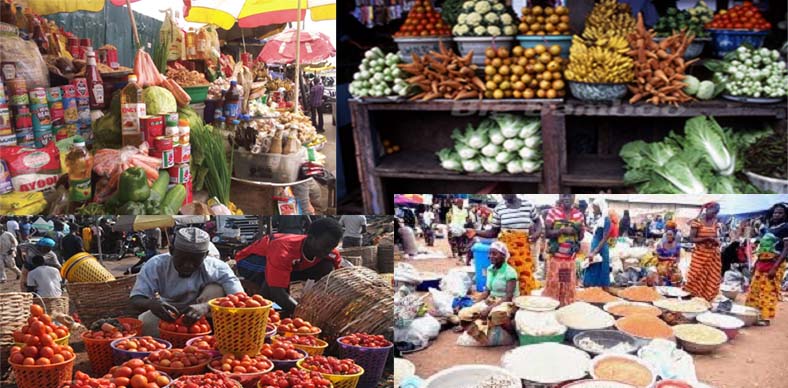
Food Crisis Reaches Alarming Proportions
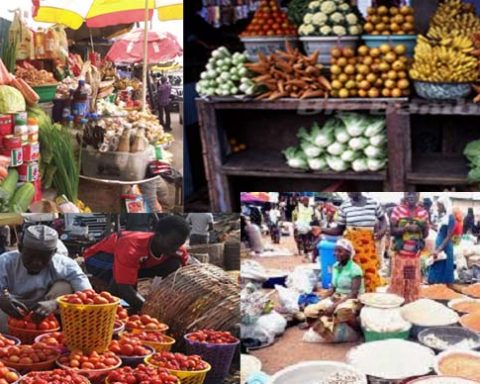
Nigeria is facing an unprecedented food crisis. According to government admissions, 32 million Nigerians are currently dealing with extreme food and nutrition shortages. The National Bureau of Statistics (NBS), reported a 34% increase in food inflation, a figure that raises severe security and social implications.
“The situation is dire,” said Samuel Okon, a local trader in Bariga, Lagos State trader. “We are struggling to feed our families, and the future looks bleak.”
Join our WhatsApp ChannelThe food crisis is expected to worsen in the coming months, prompting the government to implement several policies aimed at mitigating the situation. These include releasing commodities from the National Strategic Grain Reserves, introducing subsidised farm inputs, distributing palliatives, and enhancing farmer protection.
Digital Agriculture: A Beacon of Hope or Another Promise?
In the face of this daunting challenge, technology has emerged as a critical factor. Digital agriculture, also known as smart farming or precision agriculture, leverages technologies like the Internet of Things (IoT), Artificial Intelligence (AI), big data analytics, and blockchain to optimise agricultural processes. This approach enables farmers to make informed decisions, manage resources efficiently, and enhance productivity.
“We need to take our farming beyond the supply of tractors and farm inputs,” said Chinedu Anya, an agricultural technologist. “Fully digitizing our farming practices can improve food yields and supply while reducing the environmental impact.”
Currently, digital agriculture in Nigeria is at a basic level, primarily involving the use of mobile devices by farmers to engage with stakeholders. Digital advisory services are the most developed and deployed solution, followed by agri-finance, marketing, and supply chain.
Technological Solutions to Boost Food Production
Modern technologies can help Nigeria navigate this critical food crisis. Precision farming uses GPS technology, sensors, and drones to collect real-time data on soil conditions, crop health, and weather patterns. This data-driven approach allows farmers to apply fertilisers, water, and pesticides more accurately and efficiently, reducing waste and environmental impact while maximising yields.
READ ALSO: Why Nigeria’s Food Crisis May Last Longer
IoT devices and sensors in fields provide continuous monitoring of soil moisture, temperature, and nutrient levels. This real-time information helps farmers optimise irrigation schedules, ensuring crops receive the right amount of water at the right time, which is crucial in drought-prone northern regions.
AI-powered tools can analyse vast amounts of data to predict pest outbreaks, disease risks, and optimal planting times. Machine learning algorithms develop crop models that simulate different scenarios, assisting farmers in making proactive decisions to protect their crops.
Aggregating and analysing agricultural data from various sources enables farmers to identify trends, forecast yields, and manage supply chains more effectively. This data-driven approach enhances transparency and traceability in the food supply chain, ensuring food safety and quality.
Blockchain technology offers a secure and transparent way to track the journey of food from farm to table. By recording every transaction in an immutable ledger, blockchain ensures the integrity of the food supply chain, preventing fraud and improving consumer trust.
Enhancing Food Production through Digital Agriculture
There is documented evidence of digital agriculture’s potential to boost food production. Precision farming techniques have recorded yield increases as high as 25%. By optimising resource use, farmers can produce more food with fewer inputs, lowering production costs and minimising environmental impact.
Moreover, digital tools facilitate sustainable farming practices. For example, precision irrigation reduces water usage by up to 30%, addressing the critical issue of water scarcity. Similarly, precision application of fertilisers minimises nutrient runoff, reducing pollution and preserving soil health.
Former President Olusegun Obasanjo emphasised the importance of cheap credit and policy consistency to boost food production. “We need sustainable and consistent policies that support our farmers,” he said.
Guaranteeing Food Security with Technology
Food security is not just about producing enough food; it involves ensuring food is accessible, affordable, and safe for everyone. Digital agriculture plays a crucial role in achieving these goals.
By increasing efficiency and reducing costs, digital agriculture makes food more affordable for consumers. Enhanced productivity can stabilise food prices, making it easier for low-income families to access nutritious food.
Digital tools enable better coordination and management of the food supply chain. Blockchain technology can reduce the risk of disruptions by providing real-time visibility into the movement of goods. This transparency helps identify bottlenecks and ensure timely delivery of food products.
With advanced monitoring and traceability systems, digital agriculture enhances food safety by quickly identifying and addressing contamination issues. Consumers can have greater confidence in the safety and quality of the food they consume, which is vital for public health.
A Call to Action: Embracing Digital Agriculture To Tackle Food Crisis
With a youthful population, the government can entice young Nigerians into the agricultural sector if digital agriculture is fully adopted.
The Agriculture Demonstration Project initiative, as explained by the Minister of Communications, Innovation, and Digital Economy, Bosun Tijani, aims to “identify and mainstream market-ready innovations that leverage Fourth Industrial Revolution (4IR) technologies like UAV, IoT, AI, and Blockchain to enhance productivity and sustainability in the agricultural sector.”
Digital agriculture represents a transformative approach to enhancing food production and security. By harnessing the power of modern technologies, the government can create more efficient, sustainable, and resilient agricultural systems against food crisis. However, it remains to be seen whether these initiatives will be implemented effectively or become another unfulfilled promise.