Fakoyejo Olalekan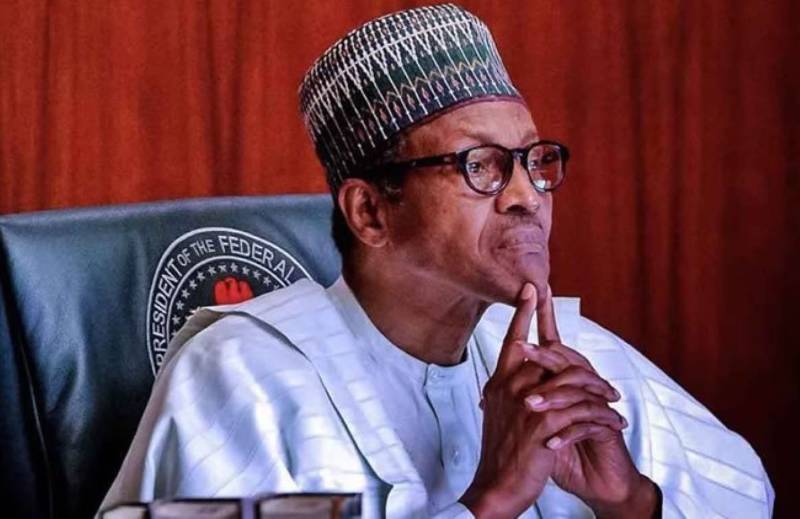
Nigeria has lost its position as the biggest crude oil producer in Africa, with Angola and Libya taking over, as the Federal Government struggle against oil vandalism and crude oil theft in the country.
In an Oil Market Report released by Organisation of the Petroleum Exporting Countries (OPEC) on Tuesday, Nigeria’s oil production level is an averaged of 1.100 million barrels per day in August.
Join our WhatsApp ChannelThis is despite receiving 1.826 million barrels quota from OPEC for last month. Nigeria couldn’t produce more than the 1.164 million b/d output recorded in July.
It is a reduction of 65,000mb/d when outputs of both months are compared. This raises concerns for Nigeria, as OPEC has increased the country’s quota to 1.830 million barrels per day for September.
Meanwhile, Angola is now the biggest crude oil producer, as the country produced an average production of 1.187mb/d in August, while Libya comes next with 1.123mb/d for the period.
How Nigeria’s oil production drop affect Nigerians, government
(1) Prime Business Africa understands that with Nigeria’s oil production dropping, it reduces the revenue the country generates from the sector, and this was reflected in the first quarter, when the oil sector fell -26.04%, and also depreciated by -11.77% in Q2.
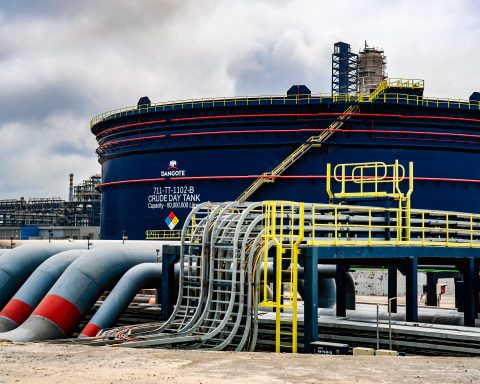
- Nigeria’s oil revenue loss could be traced to the oil vandalism recorded by the country, with only 1.35 million barrels or 71 per cent of the 1.9 million barrels that Nigeria produces in Q1 reaching the oil export terminals.
- This is due to oil theft and pipeline vandalism according to the Chief Executive Officer of the Nigerian Upstream Petroleum Regulatory Commission (NUPRC), Gbenga Komolafe, in May.
- It was gathered that Nigeria lost at least $1 billion to oil theft in three months, as it loses nine million barrels to crude oil theft out of the 141 million barrels of crude oil produced between January to March.
(2) Aside from losing revenue to oil theft, it will also reduce the foreign exchange obtained from the oil industry, which is the major forex source for Nigeria, further increasing the forex scarcity being experienced in the country.
- This means traders will continue to struggle to access forex in the official exchange market, forcing them to depend largely on the black market, where $1 is sold at N705, against the official rate of N436.50, if they are to avoid trade delays.
(3) Such move will also increase the cost of living in the country, raising the poverty population, as traders will pass the cost of buying forex to customers through the price of their goods and services.
(4) Expanding the impact of the dip in oil output, Nigeria’s ability to meet demand for its crude oil in the international market will also be negatively affected, as volumes will drop due to the 726,000 barrels per day difference in the quota and output.
- This could compel Nigeria’s crude oil clients to switch to Angola and Libya, as these countries have been able to raise their production level, which means more oil will be available for purchase in these two nations.
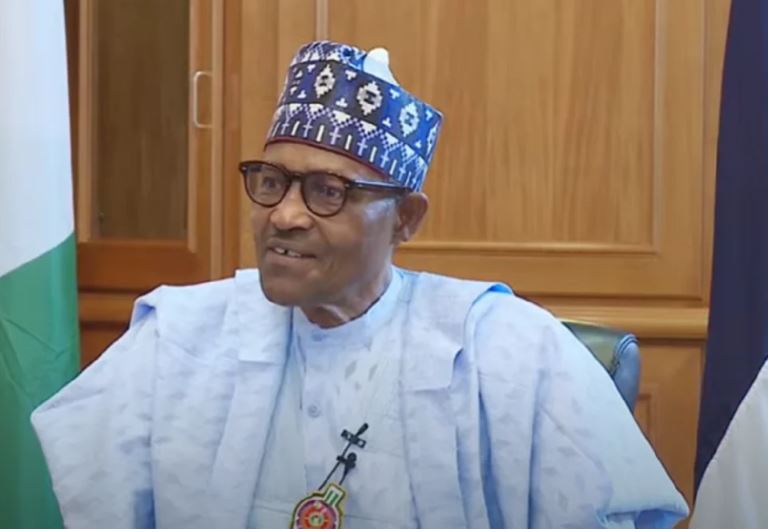
(5) In essence, revenue generation of the Federal Government will be negatively impacted, hence, President Muhammadu Buhari having little to finance his budget, at a period budget deficit rose to N12.43 trillion for 2023, and forcing the government to increase its borrowing to fund capital projects and pay workers.