Fear Of Price Hike Forces NNPC To Increase Supply To Oil Marketers

March 20, 2023
Fear Of Price Hike Forces NNPC To Increase Supply To Oil Marketers

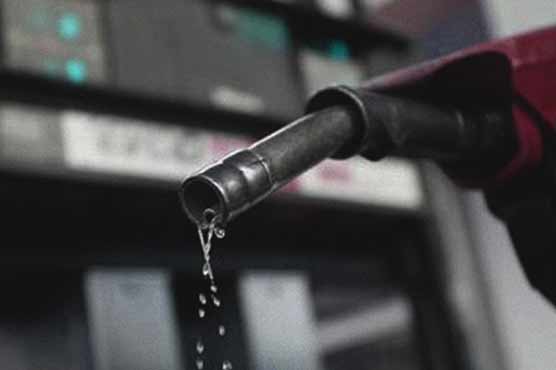
In order to avert a hike in the price of Premium Motor Spirit (PMS), known as fuel, Nigerian National Petroleum Company (NNPC) Limited has increased the supply level to oil marketers.

This was revealed by the National Public Relations Officer, the Independent Petroleum Marketers Association of Nigeria (IPMAN), Ukadike Chinedu, who said the NNPC supplied 13 million litres. 

Join our WhatsApp Channel

“The NNPCL supplied 13 million litres and informed us about it. This is to cushion the effect of the poor supply in the affected areas. They also promised that they will ensure that marketers are given products back-to-back,” Chinedu said.

This led to a surplus of the product across retail stations, Chinedu confirmed in a report by Punch on Sunday, stating it will prevent unnecessary price disparities. 

He further stated: “That is the situation of things now. The recent supply of PMS has really helped in making the product available in many retail outlets across the country. So, with enough supply, the issue of unnecessary price disparities would be addressed,” Ukadike stated. 

Prior to the supply, he complained that members of IPMAN have been unable to access petrol from depots to sell at their filling stations, and lack of fuel could force oil marketers to increase the pump price. 

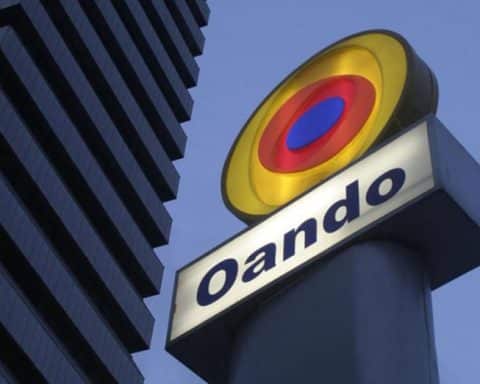
Chinedu explained that: “in Port Harcourt, for instance, we have Oando and NNPC Retail, and they have products in some private depots. Master Energy and Liquid Bulk also have products, but there is no volume for independent marketers.”

“Independent marketers have no volume in all these depots and we have over 3,400 tickets lying and waiting at the NNPC Retail account. 

“This new system is now making independent marketers beg for petroleum products from NNPC Retail. The lopsided distribution pattern will continue to cause scarcity and price disparity in retail outlets,” He added.

Meanwhile, Nigerians spend an estimated N484 billion monthly, as they consume about 80 million litres of fuel daily.

+ posts
Previous Story

190 million children at risk from water-related crises: UNICEF

Next Story

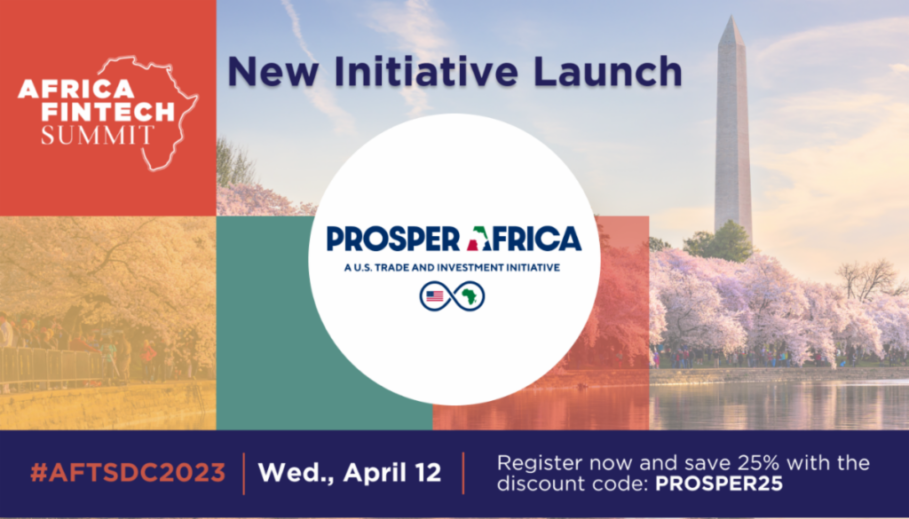
Leading US-Africa Trade and Investments Initiative, Prosper Africa Partners with Africa Fintech Summit as Gold Sponsor

Featured Stories

Latest from Business

Black Market, Official Window Dollar Rates' Gap Widens To N127 After BDCs Hike USD Price

Dollar Rate Increases To N1,366/$ In Official Market

On Thursday, February 5, N1,366.05 per dollar was the official rate for the United States (US) currency in the Nigerian foreign exchange market (NFEM), rising above the N1,358.28 kobo per $1 reported on Wednesday, February 4. This represents a N7.72 kobo increase

Nigerian Stock Market Cap Hits N109.12trn — up by N1.26trn

The Nigerian Exchange (NGX) said the bourse’s market capitalisation increased from N107.86 trillion, recorded on Wednesday, February 4, to N109.12 trillion on Thursday, February 5, representing an increase of N1.26 trillion. NGX said the all-share index (ASI) expanded by 1,975.18 basis points
John Holt, CWG, Others End Nigerian Stock Market Losing Streak With N141.70bn Gain

NGX Market Cap Rises By N1.36trn, Traders Exchange N20.56bn Shares

The market capitalisation of the Nigerian Exchange (NGX) increased by N1.36 trillion to N107.86 trillion on Wednesday, February 4, up from the N106.49 trillion reported on Tuesday, February 3. Also, the all-share index (ASI) appreciated to 168,030.18 ASI, from 165,901.57 ASI, representing a
Previous Story

190 million children at risk from water-related crises: UNICEF

Next Story

Leading US-Africa Trade and Investments Initiative, Prosper Africa Partners with Africa Fintech Summit as Gold Sponsor

Don't Miss

Ramadan 2024: Fasting Hours Worldwide

Ramadan 2024: Fasting Hours Worldwide

As the Muslim holy month of Ramadan approaches, anticipation fills
Understanding What Tax Reform Bills Means for Nigerians- Experts

Tax Reform Bill: The Problem Is Poor Communication Strategy

A major policy of the Tinubu administration designed to overhaul