 Amanze Chinonye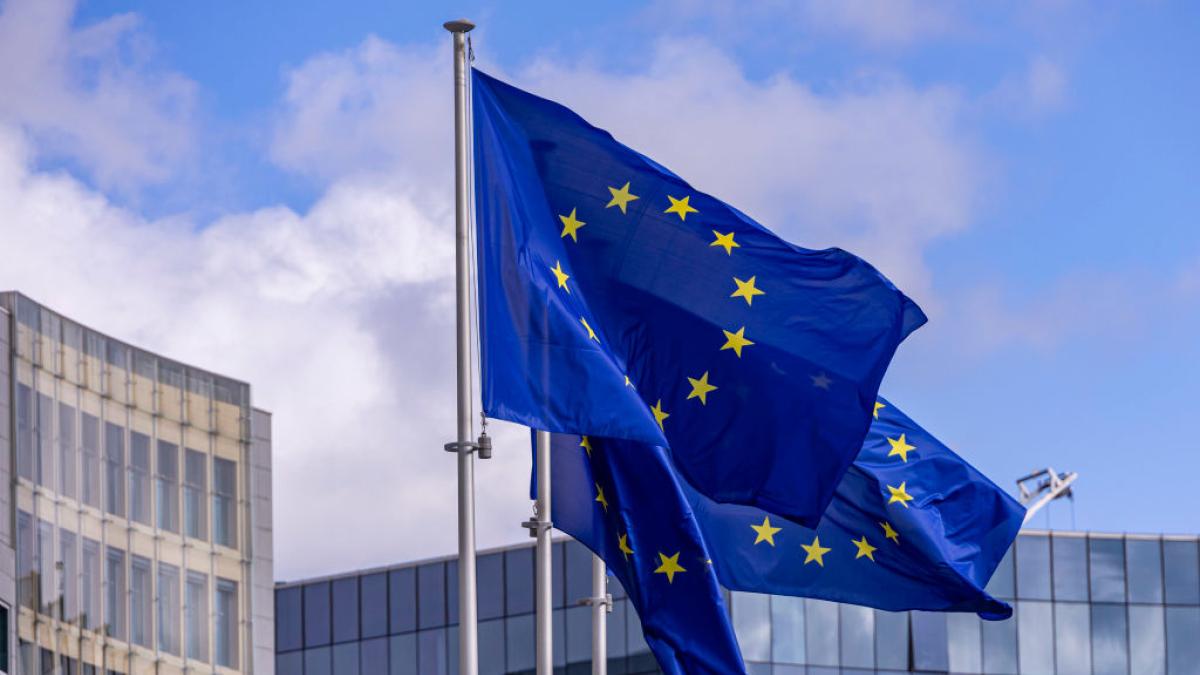
The European Union has agreed to keep approximately €210 billion ($246 billion) in frozen Russian central bank assets immobilised indefinitely, a landmark decision that removes the need for six-monthly sanctions renewals and clears the way for a major EU-backed loan package for Ukraine.
The decision, agreed by EU governments on Friday, is aimed at ensuring sustained financial support for Ukraine as the bloc views Russia’s invasion as a direct threat to European security. The assets were frozen following Moscow’s 2022 invasion of Ukraine and are held largely within the EU financial system.
By ending the requirement for periodic renewals, the EU has removed the risk that individual member states notably Hungary and Slovakia, which maintain closer ties with Moscow could block extensions of the freeze and force the return of the funds to Russia.
Join our WhatsApp ChannelRussian Mercenaries Allegedly Fuel CAR’s Energy Crisis, Enrich Armed Networks
The frozen assets now form the foundation for a proposed €165 billion EU loan to Ukraine for 2026 and 2027, intended to cover both military and civilian budget needs. Under the framework, Ukraine would only be required to repay the loan if and when Russia pays compensation for war-related damage, effectively treating the funding as an advance on future reparations.
Previously, EU sanctions required unanimous approval every six months to keep Russian state assets frozen a process that exposed the bloc to political vetoes and uncertainty. Officials said the shift to indefinite immobilisation provides long-term legal and financial certainty for Ukraine support mechanisms.
The assets are held primarily at Euroclear, the Belgium-based central securities depository, which alone holds about €185 billion of the total frozen sum. Belgium has expressed concern over potential legal exposure, but EU officials said guarantees are being assembled to ensure Brussels is not left financially liable should Russian lawsuits succeed.
European Central Bank President Christine Lagarde has described the approach as the EU’s closest alignment yet with international law, stressing that the assets themselves are not being confiscated but used as a financial anchor.
EU leaders are expected to finalise the structure of the loan and related guarantees at the European Council meeting on December 18, where remaining legal and political issues are due to be resolved.
Ukraine welcomed the decision. Prime Minister Yulia Svyrydenko, writing on X, described it as a “landmark step toward justice and accountability,” saying it strengthened the foundation for a reparations-based financing mechanism.
Germany has signalled strong backing for the plan and is expected to provide up to €50 billion in guarantees, according to European diplomatic sources.
Russia reacted angrily. The Russian central bank said the EU’s plans were illegal and confirmed it has filed lawsuits against Euroclear in Moscow courts, alleging that the asset freeze has damaged its ability to manage its reserves. EU officials have dismissed the legal threats.
Hungarian Prime Minister Viktor Orbán criticised the decision, warning that using a qualified majority vote to immobilise the assets indefinitely would cause long-term damage to the EU, and said Hungary would seek to restore what it called a lawful order.
The move marks one of the most consequential financial decisions taken by the EU since the outbreak of the Ukraine war, locking Russian sovereign assets in place as leverage until a political settlement or compensation framework is reached.

Amanze Chinonye is a Staff Correspondent at Prime Business Africa, a rising star in the literary world, weaving captivating stories that transport readers to the vibrant landscapes of Nigeria and the rest of Africa. With a unique voice that blends with the newspaper's tradition and style, Chinonye's writing is a masterful exploration of the human condition, delving into themes of identity, culture, and social justice. Through her words, Chinonye paints vivid portraits of everyday African life, from the bustling markets of Nigeria's Lagos to the quiet villages of South Africa's countryside . With a keen eye for detail and a deep understanding of the complexities of Nigerian society, Chinonye's writing is both a testament to the country's rich cultural heritage and a powerful call to action for a brighter future. As a writer, Chinonye is a true storyteller, using her dexterity to educate, inspire, and uplift readers around the world.