 Emmanuel Ochayi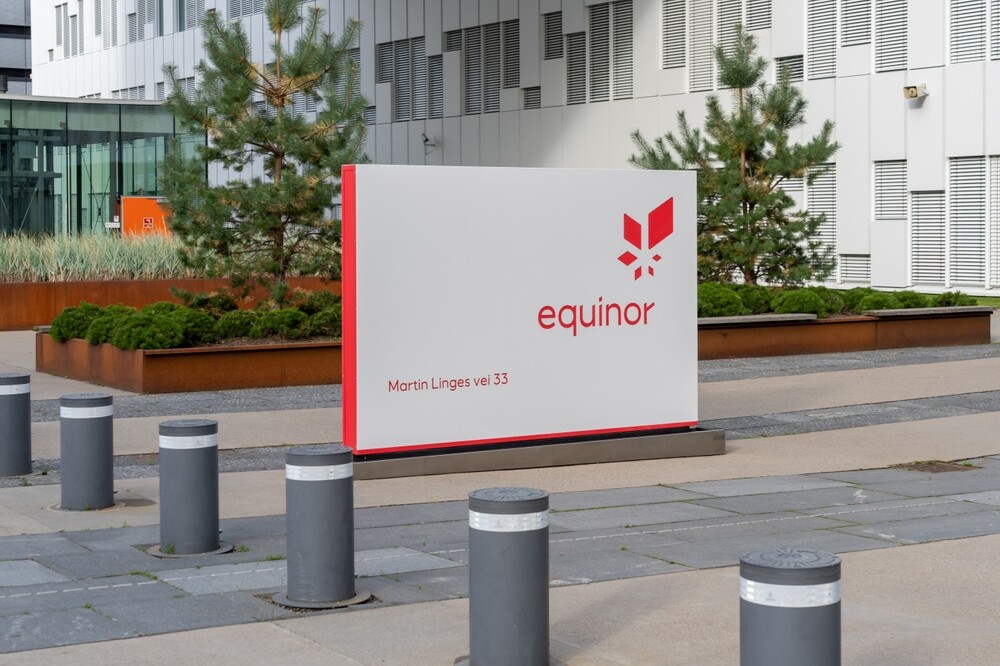
Equinor has completed the sale of its stakes in Nigeria and Azerbaijan for a total of up to $2 billion. This move ends the Norwegian energy company’s 30-year presence in both countries as it seeks to streamline its global operations.
The company announced the completion of the divestments on Monday, describing it as part of its broader strategy to optimise its international portfolio. Equinor revealed that the sale had been in the works since 2023, with final agreements reached in recent weeks.
Join our WhatsApp ChannelA company spokesperson stated that the exit would allow Equinor to focus on regions where it can “add the most value” while building a more “focused and robust international portfolio.” No further details on future investment destinations were disclosed.
How the Equinor Divestments Will Affect Its Cash Flow
Equinor’s cash flow is expected to improve significantly in the fourth quarter of 2024, following the completion of these sales. The decision aligns with the company’s strategy to increase financial efficiency while pursuing new growth opportunities in other regions.
The company has set its sights on boosting production by 100,000 barrels of oil equivalent per day (boed) by 2030. New developments in Brazil, the United Kingdom, and the United States are expected to contribute to this goal.
An Equinor representative emphasised that the company’s strategy is focused on “deepening investments where the potential for value creation is highest.” This shift reflects the broader trend of oil majors rebalancing portfolios to focus on fewer, more profitable assets.
Details of the Nigeria and Azerbaijan Asset Sales
In Nigeria, Equinor sold its 20.21% stake in the Agbami oil field to Chappal Energies for a deal worth up to $1.2 billion. The transaction includes $710 million in cash and additional contingent payments linked to undisclosed market conditions.
Equinor’s production in Nigeria had reached 17,700 barrels of oil equivalent per day (boed) during the first three quarters of 2024. The company did not clarify the criteria that would trigger the release of contingent payments from the buyer, Chappal Energies.
READ ALSO: Chappal Energies Acquires Equinor’s Nigerian Assets Amid OPEC Disagreement on Oil Output
Meanwhile, in Azerbaijan, Equinor sold three key stakes. These included:
- A 7.27% interest in the Azeri Chirag Gunashli (ACG) field
- An 8.71% interest in the Baku-Tbilisi-Ceyhan (BTC) oil pipeline
- A 50% stake in the Karabagh project
These assets were sold to Azerbaijan’s state oil company SOCAR and India’s Oil and Natural Gas Corporation (ONGC) for $745 million. Equinor had a production rate of 24,600 boed in Azerbaijan for the first three quarters of 2024.
Equinor’s Shift Toward Brazil, UK, and US Markets
As Equinor exits Nigeria and Azerbaijan, it is setting its sights on markets where it believes it can achieve stronger returns. The company has already identified Brazil, the UK, and the US as regions of strategic importance.
Equinor has previously announced plans to ramp up production in these regions, with new field developments expected to support the target of 100,000 additional barrels of oil equivalent per day by 2030.
Industry analysts view Equinor’s exit from Nigeria and Azerbaijan as part of a broader trend among energy firms to shift operations from politically unstable regions to markets with stronger legal frameworks and clearer investment returns.
The completion of these transactions also aligns with Equinor’s sustainability commitments, as the company has pledged to reduce the carbon intensity of its portfolio. By divesting from older, less efficient assets, the company aims to maintain a cleaner, leaner production base.

Emmanuel Ochayi is a journalist. He is a graduate of the University of Lagos, School of first choice and the nations pride. Emmanuel is keen on exploring writing angles in different areas, including Business, climate change, politics, Education, and others.
- Emmanuel Ochayi
- Emmanuel Ochayi