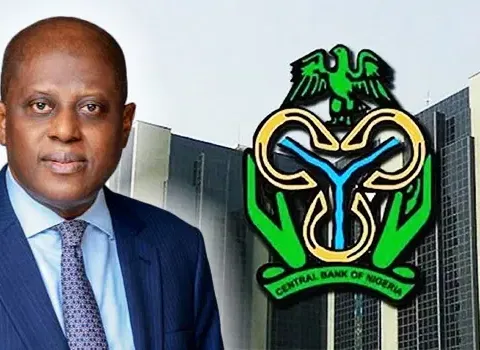
DMO DG, Patience Oniha, Tackles FG’s Budget Deficit, Ask NASS To Scrutinise It

September 2, 2022
DMO Blames FG’s Numerous Promissory Notes For Nigeria’s Rising Debt
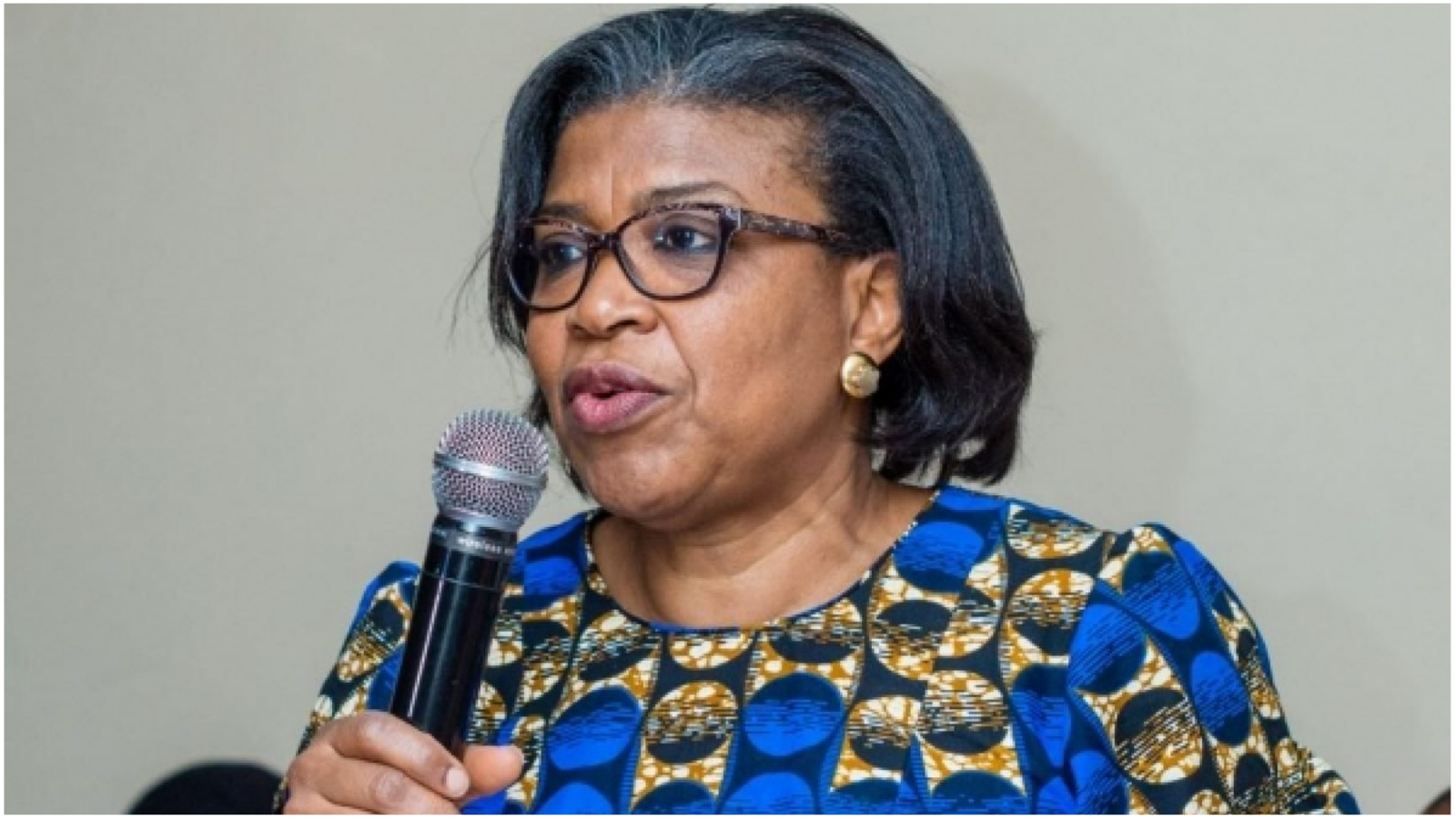
Debt Management Office DG, Patience Oniha. Photo Credit: Daily Post Nigeria

In a bid to reduce the debt profile of Nigeria, the Director-General of the Debt Management Office (DMO), Patience Oniha, has urged the National Assembly to scrutinise the budget of the Federal Government. 

Oniha said the federal government has been running a deficit budget for many years due to the capital and overhead components of the budget, which she stated the lawmakers must do due diligence on. 

Join our WhatsApp Channel

Recall that Nigeria’s public debt rose from N39.56 trillion recorded at the end of December 2021, to N41.6 trillion at the end of the first quarter 2022. 

Prime Business Africa had also reported that the Minister of finance, budget and national planning, Zainab Ahmed, disclosed the federal government will borrow N9.32 trillion from domestic and foreign creditors to finance 2023 budget deficit. 

According to Ahmed, the federal government will borrow N1.8 trillion from foreign creditors, and the remaining N7.4 trillion will be sourced from domestic creditors. 

But during Oniha’s public hearing organised by the House of Representatives Committee on Finance to discuss the 2023-2025 medium term expenditure framework (MTEF) and fiscal strategy paper (FSP), she said the budget deficit has been a burden on the debt profile of Nigeria. 

“Debt has grown and that has come really from the annual budget. There are three levels where those borrowings have increased. We have been running a deficit budget for many, many years.” Oniha said. 

The DMO boss further explained that, “So, each time you approve a budget with a deficit by the time we raise that money because when you approve it is giving us a mandate, authority to borrow, it will reflect in the debt stock, so debt stock will increase.”

+ posts

Featured Stories

Latest from Business

Naira Falls Against Dollar In Black Market As Demand Increases In FX Market

Gap Between Official Window, Black Market Rates Now N82

The United States dollar (USD) traded at N1,366.19 kobo per $1 in the Nigerian foreign exchange market (NFEM) on Friday, February 6, similar to the N1,366.05 per USD recorded on Thursday, February 5. This was revealed in data obtained from the Central
Nigerian Stock Market Record Highest Level In 15-years, Equity Cap Up N59.90bn

NGX Valuation Rises By N1.10trn To N110.23trn

The market capitalisation of the Nigerian Exchange (NGX), also known as the stock market, surged to N110.23 trillion on Friday, February 6, from the N109.12 trillion reached on Thursday, February 5. According to the NGX, the market capitalisation increased by N1.10 trillion
Black Market, Official Window Dollar Rates' Gap Widens To N127 After BDCs Hike USD Price

Dollar Rate Increases To N1,366/$ In Official Market

On Thursday, February 5, N1,366.05 per dollar was the official rate for the United States (US) currency in the Nigerian foreign exchange market (NFEM), rising above the N1,358.28 kobo per $1 reported on Wednesday, February 4. This represents a N7.72 kobo increase

Nigerian Stock Market Cap Hits N109.12trn — up by N1.26trn

The Nigerian Exchange (NGX) said the bourse’s market capitalisation increased from N107.86 trillion, recorded on Wednesday, February 4, to N109.12 trillion on Thursday, February 5, representing an increase of N1.26 trillion. NGX said the all-share index (ASI) expanded by 1,975.18 basis points
Nigeria Diaspora Can Play Invaluable Role In Good Governance Project – Obi
Previous Story

Nigeria Diaspora Can Play Invaluable Role In Good Governance Project – Obi

Next Story

Tuchel Harps On Aubameyang’s Goals, Defends Striker’s Disciplinary Record 

Don't Miss

Hamas Leader Killed By Air Strike In Iran

Hamas Leader Killed By Air Strike In Iran

Hamas political leader, Ismail Haniyeh, has been killed in an
Brent Crude Surges To $83 As African Producers Face Quota Tensions

Brent Crude Oil Surges To $83 As African Producers Face Quota Tensions

Amidst escalating tensions within the Organization of Petroleum Exporting Countries