 Emmanuel Ochayi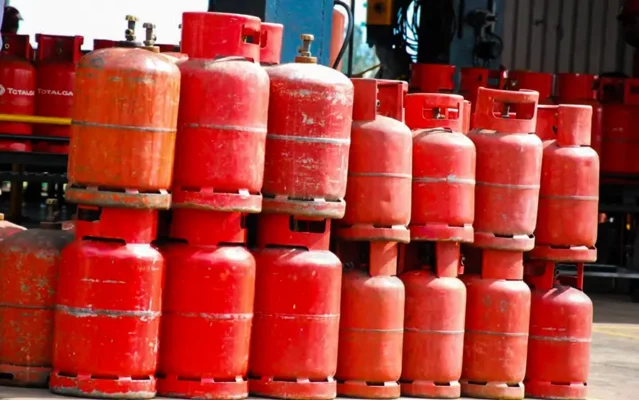
Nigerians Suffer as Cooking Gas Prices Surge
The price of cooking gas, a vital resource for millions of Nigerians, has soared to alarming levels, rising from N700 per kilogram in June 2023 to N1,500 per kilogram by October 2024. This steep price increase coincides with the economic challenges many citizens are already facing, making it harder for households to afford even basic necessities. If the government doesn’t act soon, the situation may push more Nigerians into severe hardship.
“I used to refill my 12.5kg gas cylinder for less than N9,000 a few months ago. Now, I need over N18,000 just to cook meals for my family. It’s unbearable!” lamented Mrs. Nkem, a Lagos resident struggling with the price hike.
Join our WhatsApp ChannelThe rise in cooking gas prices is directly linked to Nigeria’s ongoing foreign exchange crisis. Despite being an oil-rich country, Nigeria imports over 60% of its Liquefied Petroleum Gas (LPG). The fall of the naira from N700 to N1,700 per dollar has worsened the situation, making imports much more expensive. The irony of Nigeria having one of the largest gas reserves in the world yet relying heavily on imports is not lost on citizens.
Impact on Everyday Nigerians
For the average Nigerian family, the escalating cost of cooking gas is more than an economic issue—it’s a life-changing crisis. Most citizens are already grappling with high food prices, rising rent, and stagnant wages. The additional burden of unaffordable cooking gas means they must make painful choices: cut down on food, revert to dangerous cooking methods, or simply go without.
Mr. Adewale, a bus driver, explained his predicament: “How can I feed my family when everything is so expensive? I can barely afford rice, and now even cooking is becoming a luxury. We might have to go back to using firewood, but that is dangerous for our health.”
Many Nigerians are finding themselves pushed to this dangerous alternative. Firewood and charcoal, though cheaper, are harmful to health and the environment. According to the World Health Organization, around 3.8 million people globally die each year from illnesses related to household air pollution caused by cooking with dirty fuels. Women and children are the most affected. Should the price of cooking gas remain this high, more households will resort to these hazardous fuels, increasing the likelihood of respiratory diseases, deforestation, and air pollution.
Why the Government Must Intervene
The price hike of cooking gas is not just an economic issue—it is a public health crisis waiting to happen. The Nigerian government must recognize this and take urgent action. The recent announcement by the Federal Government to halt the export of locally produced LPG is a step in the right direction. This measure, set to begin on November 1, 2024, aims to ensure that domestic supply is prioritized to help bring down prices.
However, this is not enough. The government needs to go further. One major factor contributing to the high cost of cooking gas is Nigeria’s heavy reliance on imports. Without significant investment in local LPG production, the country will continue to face supply shortages and price fluctuations.
READ ALSO: Cooking Gas Crisis: Will Nigeria’s LPG Export Ban Be The Solution?
“The government should build more gas plants. We have so much gas in this country, yet we are suffering because we don’t use it,” said Emeka Mbah, an economist. His call for more domestic gas production echoes the frustrations of millions of Nigerians who feel betrayed by the government’s inaction.
Nigerians deserve more. The country’s abundant gas reserves should translate into affordable cooking gas for every household, not skyrocketing prices that push people into poverty. In addition to investing in production, the government should also provide incentives for converting more propane output into LPG to meet growing domestic demand.
Consequences of Inaction
If nothing is done to address the cooking gas price hike, the consequences will be dire. Not only will millions of households struggle to prepare meals, but the economic ripple effects could be devastating. Restaurants, food vendors, and other businesses that rely on cooking gas will be forced to either increase their prices or shut down entirely. This could lead to job losses and an even greater burden on families already struggling to make ends meet.
Moreover, the environmental damage caused by increased firewood use could reverse years of progress in combating deforestation. The health impact, particularly on women and children, cannot be overstated. A country that claims to care about its citizens should not force them into such dangerous and unhealthy practices just to survive.
The Way Forward: A Call to Action
To protect Nigerians from further hardship, the Federal Government must take bold, immediate steps. Stopping LPG exports is a good start, but it is not enough. A comprehensive approach is needed that includes ramping up local production, providing subsidies for LPG purchases, and creating incentives for the private sector to invest in the gas industry.
“We need the government to act now,” said Mr. Adewale. “If they don’t, more people will suffer. We can’t keep living like this.”
President Bola Tinubu and his administration must realize that the current economic environment is pushing citizens to the edge. The soaring cooking gas prices are not just a symptom of a weak economy; they are a test of the government’s ability to provide for its people. Nigerians need relief, and they need it now.
By reducing the cost of cooking gas, the government can ease the suffering of millions and prevent the escalation of a national crisis. Inaction is not an option.