 Emmanuel Ochayi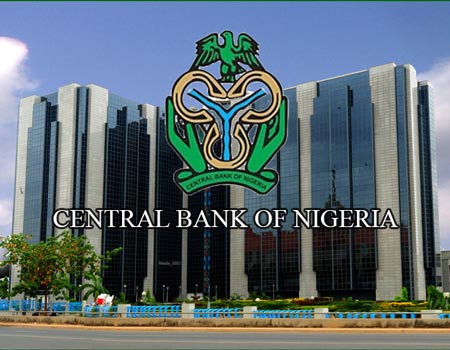
In a move that aims to safeguard the stability of Nigeria’s financial sector, the Central Bank of Nigeria (CBN) has issued a directive to Deposit Money Banks (DMBs), compelling them to refrain from utilizing gains accrued from foreign exchange revaluation for dividends and operational expenditures.
In a letter dated September 11, 2023, and signed by the CBN Director of the Banking Division Department, Haruna Mustafa, the apex bank ordered immediate compliance with this directive.
Join our WhatsApp ChannelForex revaluation gains occur when the value of a bank’s assets and liabilities, denominated in foreign currency, increases due to fluctuations in the exchange rate between the foreign currency and the local currency.
Explaining the rationale behind this directive, the letter highlighted the CBN’s evaluation of the recent FX rate regime change and its potential significant impact on the naira values of banks’ foreign currency (FCY) assets and liabilities.
READ ALSO: Stakeholders Unveil Solutions to Combat Multiple Taxation, Regulations
Part of the letter reads: “The Bank thus approved the following prudential guidance and directives for immediate implementation by banks.
“Treatment of FX Revaluation Gains: Banks are required to exercise utmost prudence and set aside the FCY revaluation gains as a counter-cyclical buffer to cushion any future adverse movements in the FX rate. In this regard, banks shall not utilize such FX revaluation gains to pay dividends or meet operating expenses.”
“Single Obligor Limit (SOL): Banks that inadvertently breach the Single Obligor Limit (SOL) due to the FX policy will be granted forbearance upon application to the CBN. The forbearance shall apply only to existing facilities as of the effective date of this policy. Such banks shall be exempted from the regulatory deductions on the excess above the SOL limit in their CAR computation.”
“Net Open Position (NOP) Limit: Banks that exceed the NOP prudential limits due to the FX revaluation shall be granted forbearance for the breach upon application.”
The CBN reiterated that existing prudential regulations concerning capital adequacy, dividend payments, and FCY borrowing limits will continue to apply, ensuring the stability and security of Nigeria’s banking sector.

Emmanuel Ochayi is a journalist. He is a graduate of the University of Lagos, School of first choice and the nations pride. Emmanuel is keen on exploring writing angles in different areas, including Business, climate change, politics, Education, and others.