CBN Maintains 5% Limit on Ways and Means Advances
The Central Bank of Nigeria (CBN) has said it will cap its Ways and Means Advances to the Federal Government at 5% for the fiscal years 2024 and 2025.
This decision comes despite the National Assembly’s recently passing a bill proposing an increase in the limit to 10%.
Join our WhatsApp ChannelWays and Means Advances are short-term loan facilities provided by the CBN to help the government cover budget shortfalls.
These loans are essential for the government’s financial management but come with legal limits to prevent excessive borrowing, which could destabilise the economy.
CBN’s Commitment to Fiscal Stability
In a report titled Monetary, Credit, Foreign Trade, and Exchange Policy Guidelines for the Fiscal Years 2024-2025, released on Tuesday, the CBN confirmed that it would stick to the 5% limit, aligning its decision with the Medium-Term Fiscal Framework (MTFF).
The MTFF is designed to promote macroeconomic stability, manage expectations, and provide consistent policies for handling economic challenges.
READ ALSO: CBN Orders PoS Transaction Tracking, Sets 30-Day Deadline For Payment Providers
The report stated, “The Central Bank will continue to make Ways and Means Advances available to the Federal Government to finance deficits, but only up to a maximum of 5.0% of the previous year’s actual collected revenue.”
CBN Governor’s Stance on New Advances
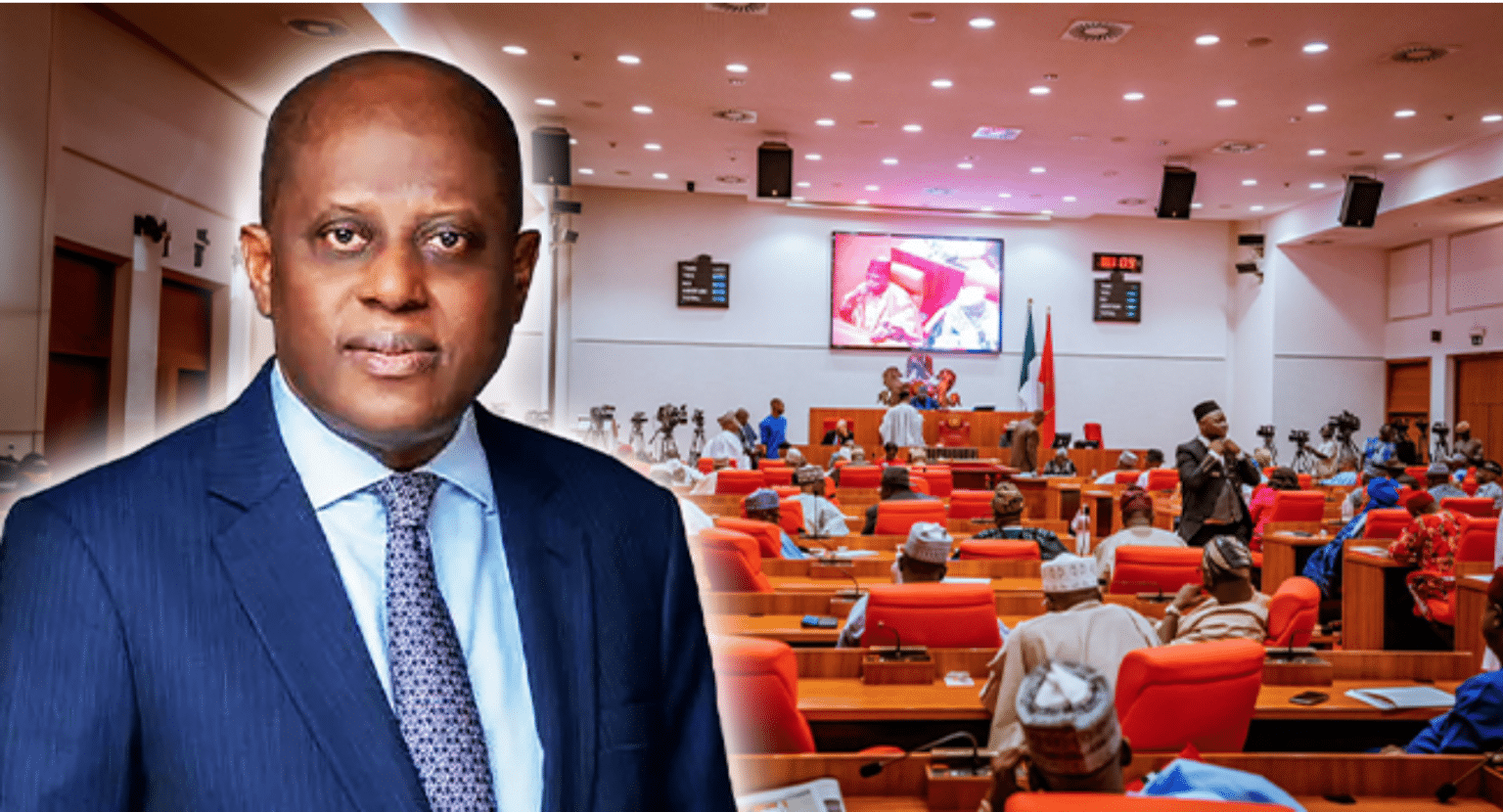
In February 2024, during a Senate Committee meeting, CBN Governor Olayemi Cardoso explained the bank’s decision to halt new Ways and Means Advances until all outstanding debts were repaid.
“We understand the economic pressures facing the country, but it is essential that we sustainably address these loans,” Cardoso said. His remarks were meant to ensure that the CBN’s lending practices remained in line with Nigeria’s broader economic objectives.
By maintaining the 5% limit, the CBN aims to ensure responsible borrowing by the government and prevent the country from becoming overly dependent on short-term loans.
This approach, the CBN argues, is crucial for reducing inflationary pressures and maintaining investor confidence in the Nigerian economy.
Impact of the National Assembly’s Proposal
The National Assembly’s push to increase the Ways and Means Advances limit to 10% was seen by some as a response to Nigeria’s growing economic challenges.
Proponents of the bill argued that the additional borrowing capacity would provide the government with more flexibility to meet its budgetary needs.
However, the CBN has resisted this suggestion, emphasising the risks of loosening borrowing limits.
“The 5% limit ensures that the federal government remains disciplined in its borrowing practices,” said an unnamed CBN official. “Raising the cap would only encourage more debt accumulation, which is unsustainable in the long term.”
Monetary Policy and Economic Outlook
The CBN’s decision to keep the limit at 5% is expected to have several ripple effects across Nigeria’s economy. By restricting borrowing, the CBN aims to keep inflation under control.
An increased borrowing limit could result in higher money supply, which might fuel inflationary pressures—a major concern for the Nigerian economy, which is still recovering from the impact of global economic shocks.
The decision also aligns with the CBN’s broader monetary policy goals, which include managing inflation, stabilising the naira, and ensuring that the Federal Government’s fiscal policies do not compromise economic growth.
In a survey conducted earlier this year, financial analysts indicated that the CBN’s communication around inflation and monetary policy significantly impacts investor confidence. A Lagos-based economist remarked, “The CBN’s firm stance on the 5% limit is a signal that it prioritises long-term stability over short-term relief.”

Emmanuel Ochayi is a journalist. He is a graduate of the University of Lagos, School of first choice and the nations pride. Emmanuel is keen on exploring writing angles in different areas, including Business, climate change, politics, Education, and others.