Fakoyejo Olalekan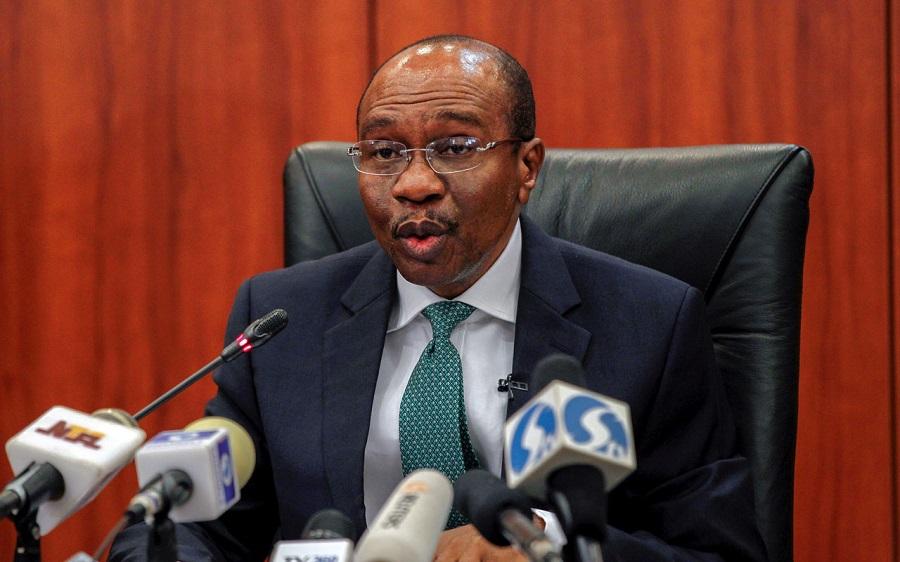
The Central Bank of Nigeria (CBN) increased the Monetary Policy Rate to 18 per cent from 17.5 per cent on Tuesday, 21 March 2023, to halt inflation.
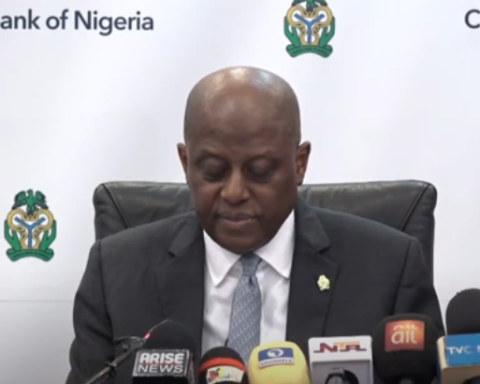
Governor of the CBN, Godwin Emefiele made this known after the meeting of the Monetary Policy Committee of the central bank.
Join our WhatsApp ChannelMPR is the interest rate at which CBN lends to commercial banks. It is also used as a benchmark by lenders when factoring interest rates on loans obtained by their customers. When the CBN raises MPR, the banks increase interest on loans or debt.
MPC’s various increases in the interest rate have had a positive impact on the inflation rate, Emefiele said, adding that further rate hikes will not affect the banking industry in Nigeria, and loosening the interest rate will affect the gains achieved so far.
CBN has been raising the MPR since April 2022, at the time, the rate was 11.50 per cent.
According to Emefiele, 10 members of the MPC voted to raise the MPR by 50 basis points, leading to the MPC raising the interest rate to 18 per cent. Note that one member voted to raise the MPR by 35 basis points.
Speaking on reasons for increasing the rate, Emefiele said: “MPC examined the possible impact of further policy rate hikes on the stability of the banking system and was convinced that further rate hikes would not adversely impact the stability of the banking system.
“The committee, however, called on the bank’s management to strengthen its regulatory oversight on the banking system, to ensure that the banking industry remains stable and resilient.
“The MPC noted that while the continued rise in headline inflation remains a significant problem confronting the economy, other macroeconomics were moving in the right direction despite observed headwinds.
“The committee’s debate at this meeting, therefore, was whether to continue its rate hike to further dampen the rising inflation trajectory or hold to observe emerging development and allow for the impact of the last five rate hikes to permeate the economy. Loosening in the view of the members (MPC) will gravely undermine the gains so far achieved.
“MPC observed the continued upward risk to price development around expectations of the removal of the PMS (Premium Motor Spirit) subsidy, rising prices of other energy sources, continued exchange rate pressure, and uncertain climatic conditions.
“This, in the view of members, provides a compelling argument for an upward adjustment of the policy rate, less aggressively.”
Meanwhile, all the members of the MPC voted to retain the asymmetric corridor at +100 and -500 basis points around the MPR.