 Emmanuel Ochayi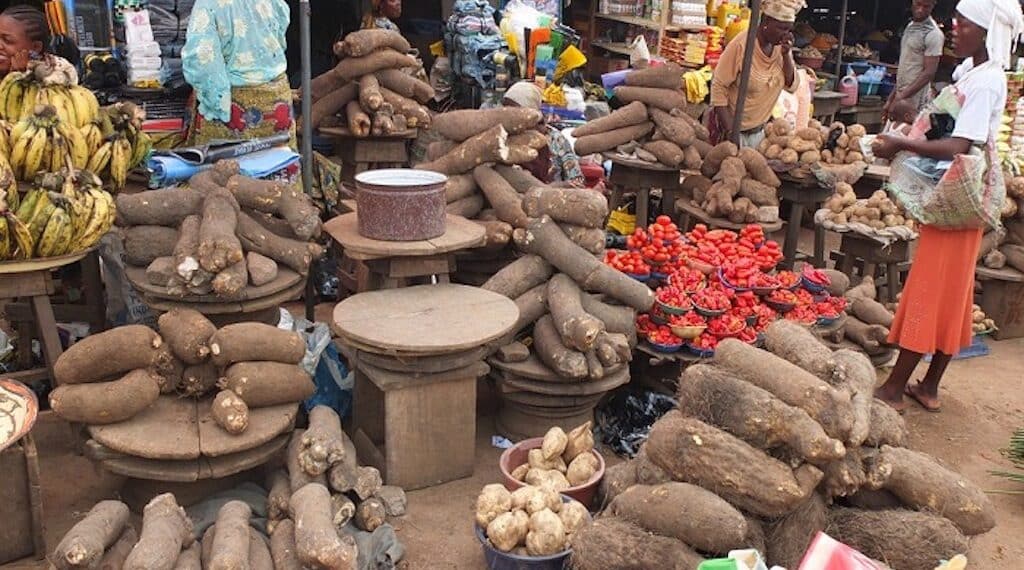
As Nigeria battles one of its most severe hunger crises, a government and United Nations report reveals that more than 33 million people could face food insecurity by August 2025. This is a drastic one-third increase from current figures, underscoring a growing humanitarian emergency fuelled by economic hardship and rising inflation.
Reeling under the weight of recent economic reforms, Nigerians are struggling to afford basic food, while farmers face compounding issues such as crop-destroying floods and insecurity in northern states.
Join our WhatsApp ChannelEconomic Reforms Aggravate Cost of Living
Following the removal of Nigeria’s longstanding petrol subsidy and the devaluation of the naira, inflation has surged, putting even the most basic food items out of reach for many. These austerity measures, intended to strengthen Nigeria’s economy in the long run, have intensified the day-to-day struggles of the average Nigerian. Food prices have spiked, with inflation reaching a staggering 32.7% by September, driven largely by high transportation and agricultural costs.
Speaking on the impact of these measures, Chi Lael, a spokesperson for the World Food Programme in Nigeria, remarked, “The economic decisions taken may be necessary for long-term stability, but right now, they feel like a direct attack on the daily lives of ordinary people. Every time they try to buy food, it’s a struggle.”
Floods and Insecurity Worsen Agricultural Crisis
While economic policies have played a significant role, climate-induced challenges and security issues are compounding Nigeria’s hunger crisis. Severe flooding has wreaked havoc in northern Nigeria, often considered the nation’s agricultural heartland, destroying over 1.6 million hectares of crops and potentially leading to a loss of nearly one billion dollars in cereals alone. For farmers who rely on these crops to feed both local and urban communities, the damage is devastating.
An X(formerly Twitter) user shared his anguish: “The floods washed away everything. We prepared all year, and in a matter of days, it was gone. The government’s support is too little to start over. This is not just food we lost; it’s our lives.”
Food Prices Skyrocket
With food prices at an all-time high, purchasing essential staples is becoming increasingly difficult for most Nigerian families. The report shows that flooding, transportation costs, and insecurity have raised the cost of food beyond many households’ reach. Basic items like rice and maize are rapidly becoming unaffordable, adding pressure on already vulnerable families.
A Lagos resident, Tunde Oladipo, shared his frustration: “I can’t afford the same amount of food I could just a few months ago. My salary is the same, but food prices keep rising. How are we supposed to survive?”
READ ALSO: Nigerians Face Growing Hunger Crisis As Food Insecurity Reaches Critical Levels
Government Response: Is it Enough?
The Nigerian government has attempted to address the food crisis by providing financial aid to households. Finance Minister Wale Edun stated that 5 million households have received a monthly cash handout of 25,000 naira (about $15.45) to help them cope. However, many argue that this assistance, though welcome, is insufficient given the scale of the crisis.
Dr. Adebayo Adesina, an economist and social analyst, expressed skepticism about the effectiveness of cash handouts alone. “While cash transfers may alleviate some immediate suffering, they are not a sustainable solution. What Nigeria needs is long-term economic restructuring and support for agricultural resilience. Without those, we will continue to see hunger and inflation spiral out of control.”
The Path Forward: A Multi-Faceted Solution
To address Nigeria’s hunger crisis effectively, experts emphasise that a multi-pronged approach is necessary. This includes reinforcing agricultural policies that improve resilience against floods, supporting farmers with adequate resources, and addressing insecurity that has affected key farming regions. Strengthening Nigeria’s agricultural infrastructure and improving transportation networks are also vital to making food accessible and affordable.
“The answer lies in a balanced approach,” said Dr. Adesina. “Nigeria cannot rely on austerity and temporary relief measures alone. We must support our farmers, stabilise the economy, and build a robust food system to ensure this crisis doesn’t happen again.”
Voices of Resilience and Urgent Change
Despite the dire circumstances, Nigerians remain resilient and hopeful for change. Many are calling on the government to introduce policies that will reduce the impact of inflation, make farming a more secure livelihood, and provide a stable and affordable food supply.
Amaka Chukwu, a small business owner in Ajao Estate, Lagos State, emphasised the importance of community support during these challenging times. “People are sharing more now because we know what’s happening. We’re all struggling. We need to support one another, but we also need our leaders to help.”
In the face of mounting food insecurity, experts and everyday Nigerians alike stress that short-term relief cannot be the only answer. Substantial investment in long-term solutions is essential to stabilising the economy, enhancing food security, and preventing future crises.
Hunger in Nigeria: What Lies Ahead?
With projections of 33 million Nigerians facing food insecurity by next year, the situation demands immediate action. As food prices rise and climate challenges persist, government intervention must focus on strengthening the economy from the ground up. This includes bolstering agricultural resilience, addressing inflation, and ensuring that policy changes do not come at the expense of the population’s well-being.
In a country where millions are uncertain of their next meal, the hunger crisis in Nigeria serves as a wake-up call. Without sustainable solutions, the nation’s breadbasket may remain out of reach for too many, pushing more families toward hardship.