 Victor Ezeja
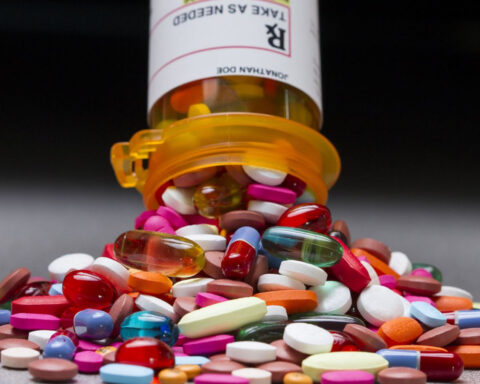
A combination of factors have caused drug prices to hit an all-time high in Nigeria with imports soaring to 68 per cent in third quarter (July to September) 2023.
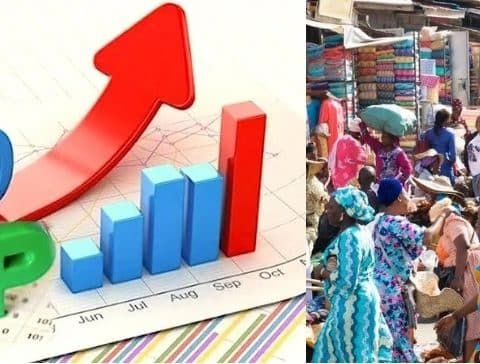
An analysis of data released by the National Bureau of Statistics (NBS), on foreign trade revealed that drugs worth N81.81 billion were imported into Nigeria from July to September 2023 against the N48.74 billion spent on importing drugs in the same quarter of 2022.
Join our WhatsApp ChannelOn a month-to-month basis, the drug imports according to the NBS data, also revealed a 27 per cent increase from the N64.38 billion recorded in Q2 2023.
READ ALSO: Rising Cost Of Drugs Takes Toll On Nigerian Patients As FX Scarcity Hits Hard
Further analysis of the data indicated that importation of medical items accounts for 0.97 per cent of total imports. Though it is less than the 1.12 per cent recorded in the previous quarter it is, however, slightly higher than the 0.97 per cent in the same quarter of the previous year.
According the NBS report, India tops the charts of Nigeria’s top import trading partner for medications.
While a total of N33.68 billion worth of drugs were imported from India, N15.3 billion came from the United States, and N9.98 billion from China. N2.72 billion drugs were imported from France and N2.41 billion from Germany.
Prime Business Africa reports that the rise in import of pharmaceutical products and the attendant hike in prices comes at a time big pharma companies exited the country while the existing ones continue to lament high operating costs.
Two big pharmaceutical companies announced decision to stop in-country production within the last five months. In August, GlaxoSmithKline (GSK), a British multinational pharmaceutical company announced plans to stop operations in Nigerian its subsidiary and adopt a third-party distribution model. Similarly, Sanofi-Aventis Nigeria Limited, a French pharmaceutical company, in November said it would cease production in the country with effect from February 2024.
Sanofi produces and supplies injectable polio vaccines, influenza, meningitis, rabies vaccines and a host of other medicines across the country.
Observers said the exit of GSK forced merchants to resort to more imports to shore up supply needs.
Also, Procter & Gamble, an American multinational consumer goods company (popularly called P&G) that produces and supplies various products such as Oral B toothpaste, Ariel detergent, diapers and a host of other products used globally announced decision to dissolve its ground operations in Nigeria.
Commenting on the exit of P&G from Nigeria, Kalu Aja, a finance expert, wrote on his X page that if this reality continues, there will be no Small and Medium Scale Enterprises (SMEs) left in Nigeria.
“As I keep saying, imports into Nigeria are cheaper. The economic implications are worse than an atomic bomb.”
The challenge of foreign exchange scarcity and the steepy drop in value of naira in recent months due to devaluation, have also contributed to soaring prices of not just imported pharmaceutical products but also other goods.
Most of these companies that announced exit cited troubling economic situation in the country. Sanofi’s head of communications and corporate social responsibility (CSR), Africa, Aziz Yousfi Malki, had while confirming the firm’s plan to exit from Nigeria attributed it to foreign exchange crisis in the country which makes it hard to import medicines.
Also, P&G while announcing that it has dissolved ground operations in Nigeria, cited the macroeconomic condition which makes it difficult to create dollar value.
Aside from foreign exchange crisis, other challenges to businesses in the country include high interest rate, high energy costs, and soaring inflation.
A report by SB Morgen Intelligence, which is titled: “Paying the Price on Health,” indicated that cost of antibiotics rose to over 1,000 per cent in four years in Nigeria.
It said that the cost price increased by 1,390 per cent and the selling price rising by 1,100 per cent between 2019 and 2023.
READ ALSO: Rising Cost Of Drugs: Are Herbs Viable Option?
The report noted that rising cost of drugs in Nigeria has far-reaching implications as it limits access to essential medicines, by the citizens thereby leading to spread of diseases which threatens to exacerbate global health challenges.
“The high cost of drugs in Nigeria is forcing patients to skip doses or forgo treatment altogether based on anecdotal observations.
“This can lead to the development of drug resistance, making it more difficult to treat infections. It can also worsen chronic conditions, leading to increased morbidity and mortality,” the report noted.
It further elucidated that patients’ inability to access essential medicines, due to high cost, could lead to self-medication or treatment by unlicensed practitioners, which can result in the inappropriate use of antibiotics.
In a chat with Prime Business Africa, a Lagos-based pharmacist who craved anonymity said: “forex scarcity and the exit of some companies have led to soaring prices of drugs.” According to him, scarcity of medicines has created an increase in demand which led to hike in price.
He called on the government to intervene by resolving foreign exchange crisis to facilitate imports.