 Emmanuel Ochayi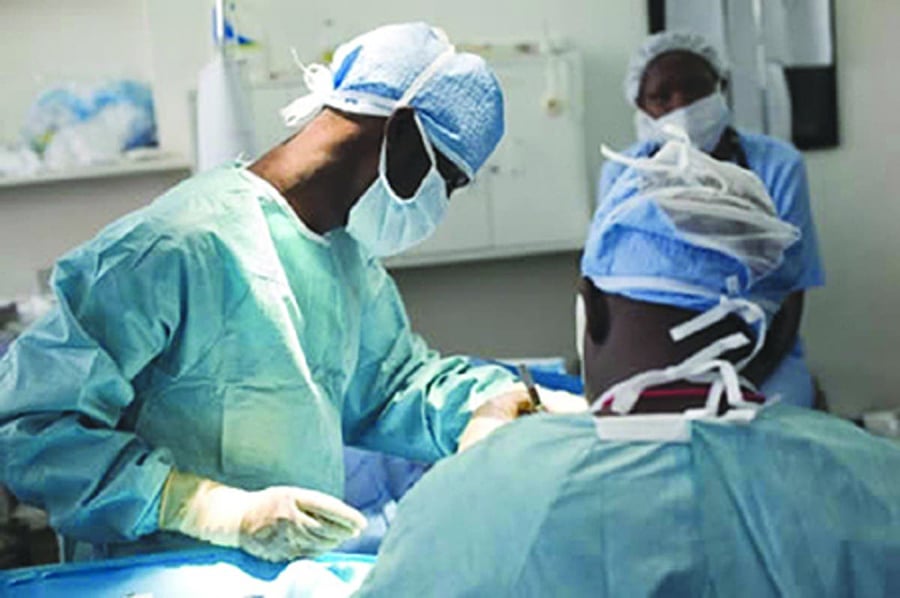
Rising Costs Squeeze Nigeria’s Health Sector
As inflation bites deeper in Nigeria, hospitals and clinics find themselves facing severe financial pressures. The cost of almost everything from medical supplies to equipment maintenance, has reached the rooftop.
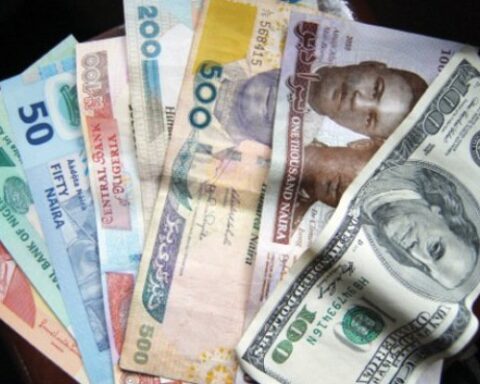
According to a recent data from the National Bureau of Statistics, Nigeria’s inflation rate reached 32.7% in September, hitting essential sectors such as healthcare hard. The soaring cost of diesel and electricity has put an unprecedented burden on health facilities across the country, raising fears among health providers that some hospitals may close if the trend continues.
Join our WhatsApp ChannelDr. Aminu Adebayo, director of a private hospital in Lagos, explained the strain, saying, “Running a hospital is challenging enough, but now we’re struggling with diesel prices that make it nearly impossible to break even.” He noted that while they had expected inflation to impact business, the escalation has been “far worse” than anticipated.
Nigeria’s Inflation Rate and Fuel Price Crisis Impact Medical Services
Hospitals in Nigeria face a unique struggle: they can’t simply close down services like other businesses, but continuing under current conditions is increasingly unsustainable. Private clinics, particularly those in rural areas where power is scarce, have become heavily reliant on diesel generators to maintain constant electricity.
“Fuel is everything to us,” said Dr. Ifeoma Okeke, The owner of Holy Light, in Oshodi. “It powers our generators, our refrigerators that store sensitive medications, and our lighting. But now, a litre of diesel costs over N1,200. This situation has forced us to cut down on our operational hours, and patients suffer the most.”
The ripple effect of inflation also shows in the increasing cost of medical supplies and basic healthcare items, which has impacted routine care and emergency services alike. According to industry experts, healthcare providers are now spending twice as much on basic resources compared to two years ago.
Hospitals Under Pressure: High Prices, Low Energy Supply
The energy crisis poses additional challenges for health services, with hospitals unable to depend solely on public electricity due to erratic power supply. Dr. Adebayo pointed out, “We can’t risk patient lives by relying on power from the grid. The cost of diesel has doubled, and there’s no relief in sight. Government intervention is critical.”
In response to this crisis, hospital managers and health providers across Nigeria have been calling for immediate intervention. The situation has become dire enough that many facilities are closing sections or reducing services due to unsustainable operating costs.
“Sometimes, it’s like choosing between running a generator for our dialysis machines and paying salaries,” said Chief Matron Femi Abiola, who manages another clinic in Lagos. “It’s not just about money—it’s about lives. We can’t afford to run our operations under these conditions.”
Staff Shortages and Lower Pay: A Health Sector in Crisis
With increased operating costs, many health facilities are forced to cut down on staff or reduce salaries. Dr. Okeke added, “We used to have 20 full-time staff; now we only have 12. Reducing staff hours has been a hard decision, but it’s a necessary one to keep our doors open.”
Even government hospitals are feeling the pinch, as inflation drives up costs beyond their budget allocations. While public hospitals don’t rely on diesel as heavily as private clinics, the cost of medical supplies and transportation has added a significant strain.
The ripple effects are also clear for hospital staff, who are now required to work longer hours for the same or even reduced pay. Nursing assistant Rita Udoka described the situation: “We are under a lot of stress. Patients are still coming in as they normally do, but there’s only so much we can do with a smaller staff. The cost of living has gone up for us too, but there’s no extra pay.”
Expert Opinions: What’s Needed to Stem the Crisis?
Economic experts say that Nigeria’s inflation rate has created a perfect storm for healthcare providers. Dr. Jide Olumide, an economist and policy analyst, suggests that the government must step in to support the healthcare sector with subsidies or direct fuel price interventions. He observed, “The health sector is too essential to be left without support. Rising inflation without any relief measures is a recipe for disaster.”
READ ALSO: Nigeria’s Inflation Rate Drops To 32.15%
Dr. Olumide argues that temporary fuel subsidies specifically for essential sectors could be a solution, allowing hospitals to at least manage their operational costs. “Other countries have found ways to protect healthcare from inflation through policy adjustments. Nigeria should consider this,” he stated.
The fuel price crisis, however, has also drawn calls for larger systemic changes. According to Dr. Olumide, addressing issues in Nigeria’s energy sector could help alleviate inflation pressures, as fuel scarcity and price instability are major drivers of inflation across sectors.
A Cry for Help: The Health Sector’s Urgent Plea
The Nigerian health sector’s struggles serve as a powerful reminder of the need for effective government policies in times of economic crisis. Clinic owner Dr. Okeke urged, “Our patients are suffering. They are paying higher fees, yet we’re forced to cut services. The government must prioritise healthcare if we want to save lives.”
As health facilities face increasingly impossible choices, the calls for immediate intervention continue to grow louder. The rising inflation rate is not only squeezing profits but endangering public health. Without relief, more hospitals could be forced to shut their doors, leaving communities without essential healthcare services.