 Emmanuel Ochayi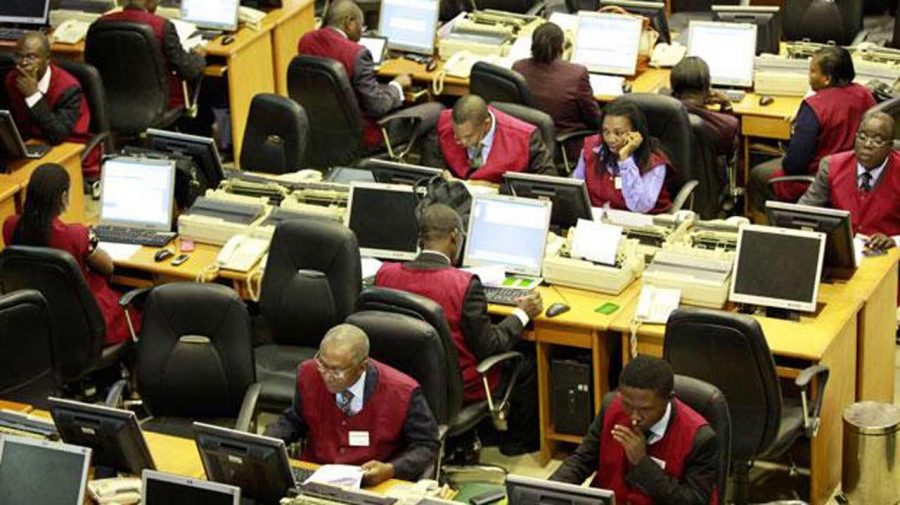
Banks’ Recapitalisation Spurs Market Growth
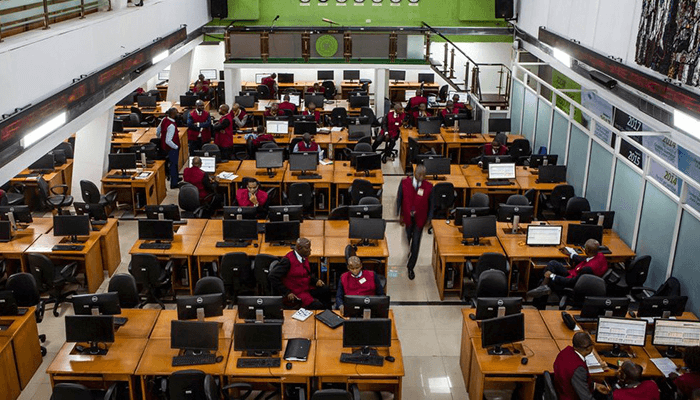
The ongoing banks’ recapitalisation exercise has significantly impacted Nigeria’s equities market, with transactions surging by 44% in the first seven months of 2024.
Deals on the Nigerian Exchange Limited (NGX) from January to July 2024 were N941.62 billion higher than those recorded in the same period of 2023.
Join our WhatsApp ChannelEquities Market Performance
Data from the NGX showed that total equities transactions reached N3.095 trillion in the first seven months of 2024, compared to N2.154 trillion during the same period in 2023.
The sharp rise in activity is largely attributed to the banks’ recapitalisation efforts, which have intensified since the Central Bank of Nigeria (CBN) announced a two-year recapitalisation plan in March 2024.
“The first half of 2024 was a whirlwind for the NGX, with macroeconomic shifts and policy changes stirring up the market. The banking sector, in particular, stole the show, grappling with its recapitalisation saga, which drove much of the market’s ups and downs,” said analysts from Lagos-based Comercio Partners.
Impact on Banks and the Broader Economy
As part of the recapitalisation, banks such as Fidelity, GTCO, and Access Holdings have completed their capital-raising programmes on the NGX.
Meanwhile, FCMB Group and Zenith Bank are still in the market seeking additional funds.
“This exercise will likely lead to an influx of capital into the domestic economy through offshore capital-raising activities. It will also strengthen the capacity of lenders to support credit creation in the real sector,” noted Coronation Research analysts in their mid-year economic report.
READ ALSO: Afrinvest Report Highlights Nigeria’s $1trn Economy, Recapitalisation Policy
However, the recapitalisation exercise comes with its own set of challenges. According to the same report, the exercise could dilute returns for existing shareholders and potentially encourage risky behavior among banks trying to meet the new capital requirements.
Additionally, there is a concern that market power could become concentrated among a few large banks, potentially stifling competition.
Investors Sentiments and Future Outlook
The Nigerian stock market, which started the year strong with significant gains in January, has seen mixed performance since. As of July 31, the market’s return stood at +30.76%, but it has since dipped to +28.35% as of August 23.
The CBN’s tight monetary policy and underwhelming corporate earnings have weighed heavily on investor confidence.
“For the remainder of the year, we anticipate a continuation of sideways trading activities in the equities market. Nevertheless, we predict an overall positive outlook for the Nigerian equities market in 2024 as corporate actions, enhanced liquidity in the foreign exchange market, and economic policies boost investor sentiment,” said analysts from Meristem Research.
Options for Banks to Meet Recapitalisation Targets
As the recapitalisation deadline approaches, banks have several options to meet the new requirements.
These include issuing new shares through public offers, rights issues, or private placements, as well as pursuing mergers and acquisitions. Some banks may also opt to upgrade or downgrade their license category or authorization.
“The recapitalisation plan requires a minimum capital of N500 billion, N200 billion, and N50 billion for commercial banks with international, national, and regional licenses, respectively. Merchant banks and non-interest banks also face revised capitalisation thresholds,” Coronation Research analysts highlighted in their report.
Domestic Investors Lead the Charge
Domestic investors have played a significant role in the increased activity on the NGX. In the first seven months of 2024, domestic stock buyers nearly doubled their transactions to N2.497 trillion, compared to N1.96 trillion in the same period of 2023.
Retail investors also doubled their equity transactions to N1.27 trillion, while domestic institutional investors saw a slight decrease in their transactions.
As the banks’ recapitalisation exercise progresses, the NGX is expected to remain a hub of activity, with more capital-raising programmes on the horizon.
While the exercise aims to create stronger and more resilient banks, it also poses challenges and risks that both investors and policymakers will need to navigate carefully in the coming months.

Emmanuel Ochayi is a journalist. He is a graduate of the University of Lagos, School of first choice and the nations pride. Emmanuel is keen on exploring writing angles in different areas, including Business, climate change, politics, Education, and others.
- Emmanuel Ochayi
- Emmanuel Ochayi