 Amanze Chinonye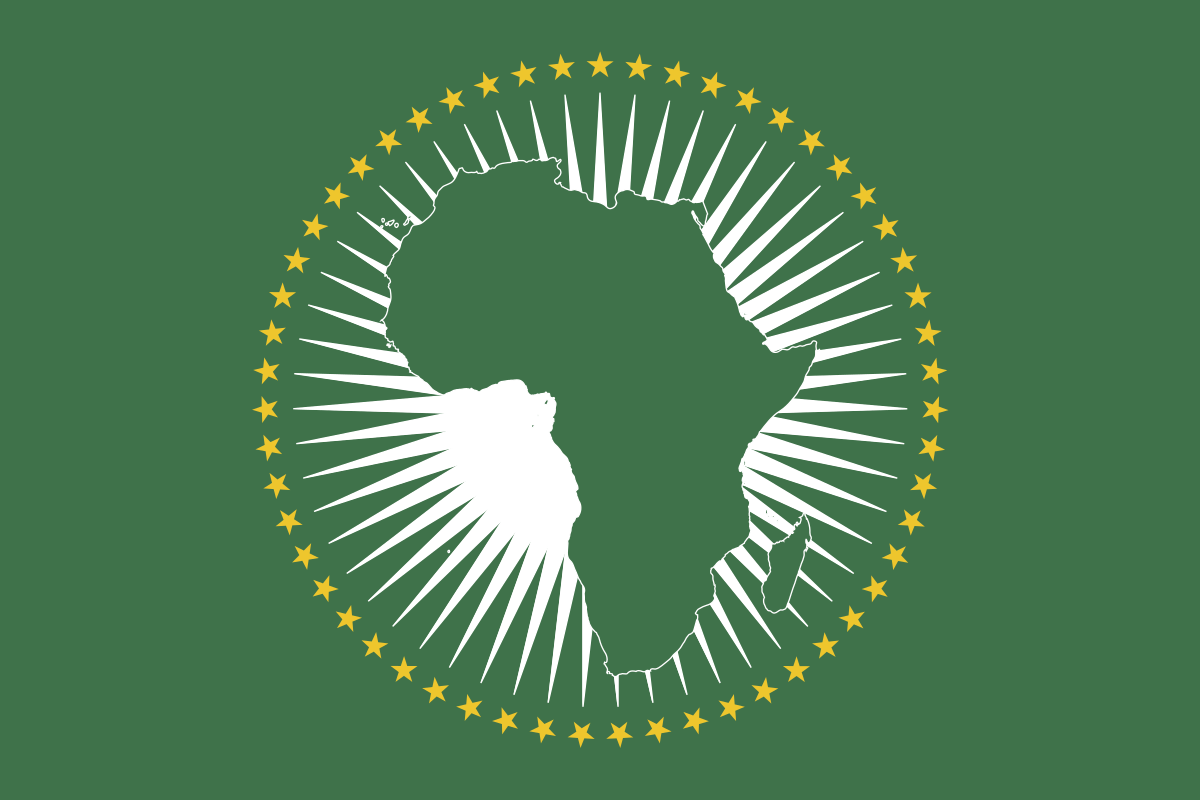
The African Union (AU) Commission has raised alarm over mounting tensions in the Great Lakes region, as renewed clashes in South Kivu in eastern Democratic Republic of Congo (DRC) and Cibitoke Province in Burundi threaten to unravel recent diplomatic gains.
In a statement on Thursday, the Chairperson of the AU Commission, H.E. Mahmoud Ali Youssouf, said he was following the situation “with deep concern,” noting that the latest violence against civilians marks a dangerous setback to peace efforts. The region long plagued by armed groups, cross-border tensions, and political rivalries has again slipped toward instability despite recent agreements aimed at calming hostilities.
The fighting comes at a time when the DRC and multiple regional actors have been attempting to implement the Doha Framework Agreement, signed in 2024 to de-escalate conflict between Kinshasa and the Alliance Fleuve Congo/Movements of 23 March (AFC/M23), commonly known as M23.
Join our WhatsApp ChannelThe agreement sought to halt clashes, improve humanitarian access, and create a political pathway for rebel reintegration. Although initially welcomed, its implementation has struggled amid growing mistrust.
READ ALSO : African Union Hails Landmark Rwanda-DRC Peace Deal, Credits Years of Regional Diplomacy
Rwanda Dismisses UN Allegations Of Backing M23 In Eastern Congo Massacre
Also at risk is the Washington D.C. Agreement, which was designed to stabilise relations between the DRC and Rwanda after years of tension fuelled by accusations repeatedly denied by Kigali that Rwanda supports the M23 rebellion. Both agreements were seen as complementary pillars for rebuilding confidence in a region awash with armed groups and resource-driven conflict.
Youssouf said the current violence “runs counter to the momentum” generated by these diplomatic engagements and urged all stakeholders to “exercise restraint and prioritise a political solution.” His remarks come as South Kivu continues to witness clashes involving armed factions, while the Burundian province of Cibitoke has seen spillover violence linked to groups moving across the DRC-Burundi border.
Eastern DRC remains among the world’s most volatile conflict zones, with more than 120 armed groups operating across the Kivu provinces. Many trace their origins to unresolved political grievances and the aftermath of the 1994 Rwandan genocide. Borders shared by the DRC, Rwanda, Burundi, and Uganda have become flashpoints, with armed groups often using neighbouring territories as staging grounds.
The AU Chairperson expressed solidarity with civilians affected in both the DRC and Burundi, reaffirming that “lasting peace in the Great Lakes region is predicated on full respect for the sovereignty and territorial integrity of all states.” He reiterated the AU’s condemnation of attempts by armed groups to establish parallel administrations in eastern DRC an emerging concern as rebels tighten control in some localities.
Youssouf also reminded states in the region of their binding commitments under the Addis Ababa Framework Agreement, signed in 2013 by 11 countries to end external support for armed groups and promote political reform. He further urged compliance with the Pact on Non-Aggression and Mutual Defence of the International Conference on the Great Lakes Region (ICGLR), which prohibits member states from undermining each other’s security.
As tensions rise, the AU has reaffirmed its readiness to work with regional and international partners to reinvigorate a comprehensive security dialogue. The goal, Youssouf said, is to address the root causes of conflict and ensure the Great Lakes region does not slide further into instability.
The renewed clashes underscore the fragility of recent peace efforts and highlight the persistent risks facing a region where decades of conflict, mineral wealth, and political mistrust continue to complicate efforts toward lasting stability.

Amanze Chinonye is a Staff Correspondent at Prime Business Africa, a rising star in the literary world, weaving captivating stories that transport readers to the vibrant landscapes of Nigeria and the rest of Africa. With a unique voice that blends with the newspaper's tradition and style, Chinonye's writing is a masterful exploration of the human condition, delving into themes of identity, culture, and social justice. Through her words, Chinonye paints vivid portraits of everyday African life, from the bustling markets of Nigeria's Lagos to the quiet villages of South Africa's countryside . With a keen eye for detail and a deep understanding of the complexities of Nigerian society, Chinonye's writing is both a testament to the country's rich cultural heritage and a powerful call to action for a brighter future. As a writer, Chinonye is a true storyteller, using her dexterity to educate, inspire, and uplift readers around the world.