 Emmanuel Ochayi
Economic Forecast and Impact
Analysts at BMI, a Fitch Solutions company, have projected that private consumption in Nigeria will fall by 2.5% in 2024.
This forecast follows a significant decline of 10.3% in 2023, which is expected to reduce headline economic growth by 1.5 percentage points.
Join our WhatsApp Channel“We forecast private consumption to fall by 2.5% in 2024, following a decline of 10.3% in 2023, and shave off 1.5 percentage points from headline economic growth,” they said.
Wage Negotiations and Consumer Spending
The analysts pointed out that ongoing wage negotiations between the federal government and trade unions are a critical factor.
Despite anticipating an eventual agreement on increased minimum wages, they believe it will not prevent the decline in consumer spending this year.
Recent negotiations have been slow, with authorities rejecting steep salary increases proposed by unions.
“While we expect that mounting political pressures will lead to an agreement in the coming months, 80% of Nigeria’s workforce is employed in the informal sector where salaries are unregulated and will not benefit from an upwardly revised living wage,” they noted.
Weak Consumer Spending and Economic Reforms
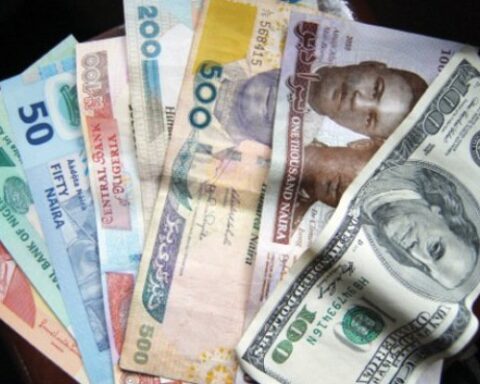
The economic growth in Nigeria is expected to remain subdued due to weak consumer spending. The analysts highlighted that President Bola Tinubu’s economic reforms, including the attempted removal of fuel subsidies and the liberalisation of the exchange rate, have led to inflation surging to a three-decade high of 34.0% year-over-year in May.
READ ALSO: 5 Reasons Nigerians Still Buy Generators Despite Unstable Fuel Costs
“We project inflation will moderate to just under 25.0% by year-end, but food prices will stay elevated due to weak domestic production, caused by insecurity in agricultural regions and adverse weather conditions.
This will continue to strain household finances, worsen poverty, and suppress private consumption in the quarters ahead,” they stated.
Capital Inflows and Investment Challenges
The report of private consumption in Nigeria also noted that fixed investment would provide limited support to the Nigerian economy.
Although the Tinubu administration’s reforms are positively influencing market sentiment, concerns about Nigeria’s long-term business environment persist.
“Notwithstanding a 219.7% year-over-year increase in capital inflows in Q1 2024, foreign direct investment remains subdued, pointing to a continued reluctance by foreign companies to invest in tangible assets, particularly outside of the hydrocarbons sector,” they mentioned.
From a domestic perspective, the central bank’s increase of the cash reserve ratio from 32.5% to 45% at the start of the year has reduced liquidity within the banking system, hindering business financing in the coming quarters.
Infrastructure Projects and Fiscal Pressures
Despite starting the construction of the Lagos-Calabar Coastal Highway Project, persistent fiscal pressures from high debt servicing costs and weak tax collection will limit the government’s ability to increase capital expenditure to match other Sub-Saharan African countries.
“Overall, we forecast that fixed investment will grow by 7.0% but add just 1.0 percentage points to headline growth in 2024,” the analysts concluded.