 Emmanuel Ochayi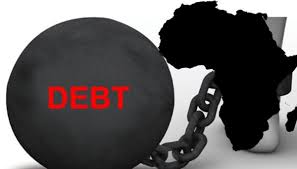
The debt burden of African countries has been rising, raising concerns about economic stability and financial sustainability. Many African nations rely on borrowing to fund infrastructure projects, social programs, and economic development. However, excessive debt can lead to financial strain, making it difficult for countries to meet their obligations. The debt-to-GDP ratio measures a country’s total debt compared to its Gross Domestic Product (GDP), indicating its ability to manage debt. High debt-to-GDP ratios suggest increased financial risks. This article explores the African countries with the highest debt-to-GDP ratio, analysing the implications and reasons behind these figures.
Understanding Debt-to-GDP Ratio
The debt-to-GDP ratio is an important economic metric that compares a country’s debt to its economic output. A high ratio indicates that a country has borrowed heavily compared to the size of its economy, which can raise concerns about repayment and economic stability.
Join our WhatsApp ChannelREAD ALSO: Top Most Indebted African Countries
In developed nations, high debt levels are often manageable due to stable institutions, strong currencies, and diverse economies. However, in many African countries, high debt-to-GDP ratios can lead to economic challenges, including higher borrowing costs and reduced investor confidence.
Why African Countries Have High Debt-to-GDP Ratios
African countries have high debt-to-GDP ratios because they rely on borrowing for infrastructure projects like roads and energy. While these investments can support growth, they also increase debt. Many economies do not grow fast enough to match borrowing, making repayment difficult. Without strong economic expansion, the debt burden continues to rise.

Another issue is the high cost of borrowing. Unlike developed nations, African countries face higher interest rates due to financial risks. Weak tax systems and reliance on commodities make revenue collection difficult. When commodity prices drop, governments struggle to generate enough income, leading to more borrowing.
External shocks worsen the debt crisis. Global financial downturns, falling commodity prices, and pandemics disrupt economies, making repayment harder. Events like COVID-19 strained public finances, forcing more borrowing. Without better financial management, many African nations will continue to struggle with high debt-to-GDP ratios.
Top 10 African Countries with the Highest Debt-to-GDP Ratio
The International Monetary Fund (IMF) has released data showing the African countries with the highest debt-to-GDP ratios. Below are the top 10 countries:
1. Sudan – 237.1%
Sudan has the highest debt-to-GDP ratio in Africa at 237.1%. The country faces economic challenges, including inflation, political instability, and limited access to international financial markets.
2. Cape Verde – 107.2%
Cape Verde has a debt-to-GDP ratio of 107.2%. As a small island economy, it relies heavily on tourism and external funding. Economic disruptions, such as the COVID-19 pandemic, have worsened its debt situation.
3. Mozambique – 96.5%
Mozambique struggles with a debt-to-GDP ratio of 96.5%. The country has faced debt crises due to undisclosed loans, weak governance, and slow economic growth.
4. Republic of Congo – 89.4%
The Republic of Congo has a debt-to-GDP ratio of 89.4%. Its economy is heavily dependent on oil exports, and fluctuations in global oil prices have made debt repayment difficult.
READ ALSO: African Leaders Unite To Tackle Debt Crises
5. Egypt – 84.5%
Egypt’s debt-to-GDP ratio stands at 84.5%. The government has taken on large debts to fund infrastructure and economic reforms. However, inflation and a weak currency add pressure to its financial stability.
6. Malawi – 82.3%
Malawi’s debt-to-GDP ratio is 82.3%. The country struggles with agricultural dependency, high borrowing costs, and economic instability, making debt repayment challenging.
7. Mauritius – 80.9%
Mauritius has a debt-to-GDP ratio of 80.9%. The tourism-dependent economy was hit hard by the pandemic, increasing its reliance on debt to stabilise the economy.
8. Senegal – 80.5%
Senegal has a debt-to-GDP ratio of 80.5%. The government has borrowed heavily for infrastructure projects, leading to concerns about long-term debt sustainability.
9. Burundi – 80.4%
Burundi’s debt-to-GDP ratio is 80.4%. Political instability, low foreign investments, and economic stagnation have contributed to its high debt burden.
10. Gabon – 79.9%
Gabon has a debt-to-GDP ratio of 79.9%. Although it benefits from oil exports, economic mismanagement and governance challenges contribute to its rising debt levels.
Impact of High Debt-to-GDP Ratios on African Economies

A high debt-to-GDP ratio can have several negative effects on an economy:
- Reduced Economic Growth: High debt levels divert funds away from essential sectors such as healthcare and education.
- Debt Servicing Pressure: Countries with high debt must allocate a significant portion of their budget to interest payments instead of development projects.
- Lower Credit Ratings: High debt makes it difficult for countries to access international financial markets, leading to higher borrowing costs.
- Risk of Default: Some African countries may struggle to repay loans, leading to defaults that can worsen economic conditions.
The African countries with the highest debt-to-GDP ratio face significant economic challenges. While borrowing can support development, excessive debt can weaken economies and reduce growth potential. Governments must implement strong economic policies, improve revenue collection, and manage borrowing effectively to ensure financial stability.