 John Adoyi, PBA Journalism Mentee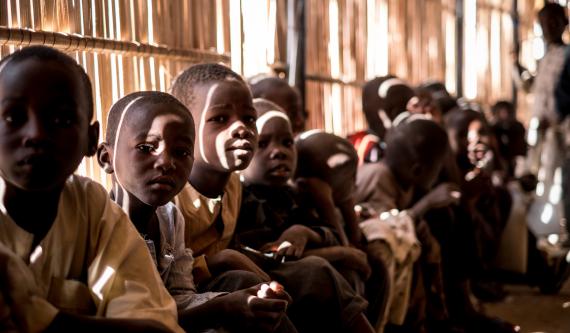
The United Nation Children’s Fund (UNICEF) in a new report it released on Friday, accused world leaders of neglecting African children when it comes to climate change funding.
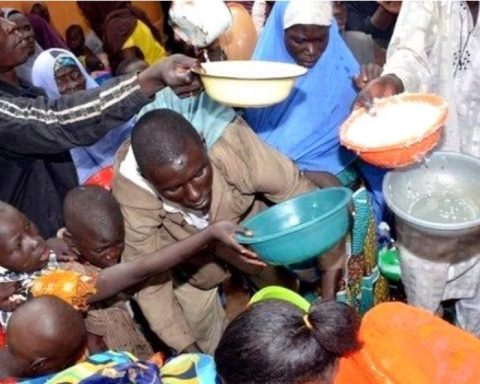
According to the report which the UN agency released as leaders prepare to meet for the African Climate Summit holding next week in Nairobi, the capital of Kenya, children in 98 Percent of African countries, suffer greatly from impacts of climate change but are critically starved of finances needed to help them adapt, survive and respond to the crisis. The report indicated that a mere 2.4% of the world’s annual climate funding is earmarked for children, with an average allocation of a meager $71 million per year.
READ ALSO: UNICEF Funds Pioneering Tech For Children, Frontier Technologies
“It is clear that the youngest members of African society are bearing the brunt of the harsh effects of climate change,” Lieke van de Wiel, Deputy Director, UNICEF Eastern and Southern Africa region, said.
She added that the children “are woefully neglected by the key climate financing flows required to help them adapt, survive and respond to the climate crisis.”
UNICEF’s report, titled “Time to Act: African Children in the Climate Change Spotlight,” evaluates countries by considering children’s exposure to climate and environmental shocks like cyclones and heatwaves. It also analyzes their vulnerability to these shocks, taking into account their access to vital services.
The report highlighted that among the 49 African countries examined, 48 were classified as being at either high or extremely high risk. The most vulnerable children were identified in Nigeria, The Central African Republic, Somalia, Chad, Guinea, and Guinea-Bissau.
The report explained that while most countries have made significant progress in delivering crucial services, difficulties continue to heighten the vulnerability of children. These challenges include unavailability of quality healthcare and nutrition services, inadequate access to safe water, sanitation, and hygiene, limited opportunities for quality education, and high levels of poverty.
Appealing for more climate funding and support for children in Africa, the UNICEF Eastern and Southern Africa region Deputy Director said: “We need to see a stronger focusing of funding towards this group, so they are equipped to face a lifetime of climate-induced disruptions.”
John Adoyi, PBA Journalism Mentee
- John Adoyi, PBA Journalism Mentee
- John Adoyi, PBA Journalism Mentee
- John Adoyi, PBA Journalism Mentee
- John Adoyi, PBA Journalism Mentee
- John Adoyi, PBA Journalism Mentee
- John Adoyi, PBA Journalism Mentee
- John Adoyi, PBA Journalism Mentee
- John Adoyi, PBA Journalism Mentee
- John Adoyi, PBA Journalism Mentee
- John Adoyi, PBA Journalism Mentee
- John Adoyi, PBA Journalism Mentee
- John Adoyi, PBA Journalism Mentee
- John Adoyi, PBA Journalism Mentee
- John Adoyi, PBA Journalism Mentee
- John Adoyi, PBA Journalism Mentee
- John Adoyi, PBA Journalism Mentee
- John Adoyi, PBA Journalism Mentee
- John Adoyi, PBA Journalism Mentee
- John Adoyi, PBA Journalism Mentee
- John Adoyi, PBA Journalism Mentee
- John Adoyi, PBA Journalism Mentee
- John Adoyi, PBA Journalism Mentee
- John Adoyi, PBA Journalism Mentee
- John Adoyi, PBA Journalism Mentee
- John Adoyi, PBA Journalism Mentee
- John Adoyi, PBA Journalism Mentee
- John Adoyi, PBA Journalism Mentee
- John Adoyi, PBA Journalism Mentee
- John Adoyi, PBA Journalism Mentee
- John Adoyi, PBA Journalism Mentee
- John Adoyi, PBA Journalism Mentee
- John Adoyi, PBA Journalism Mentee
- John Adoyi, PBA Journalism Mentee
- John Adoyi, PBA Journalism Mentee
- John Adoyi, PBA Journalism Mentee
- John Adoyi, PBA Journalism Mentee
- John Adoyi, PBA Journalism Mentee
- John Adoyi, PBA Journalism Mentee
- John Adoyi, PBA Journalism Mentee
- John Adoyi, PBA Journalism Mentee
- John Adoyi, PBA Journalism Mentee
- John Adoyi, PBA Journalism Mentee
- John Adoyi, PBA Journalism Mentee
- John Adoyi, PBA Journalism Mentee
- John Adoyi, PBA Journalism Mentee
- John Adoyi, PBA Journalism Mentee
- John Adoyi, PBA Journalism Mentee
- John Adoyi, PBA Journalism Mentee
- John Adoyi, PBA Journalism Mentee
- John Adoyi, PBA Journalism Mentee
- John Adoyi, PBA Journalism Mentee
- John Adoyi, PBA Journalism Mentee
- John Adoyi, PBA Journalism Mentee
- John Adoyi, PBA Journalism Mentee
- John Adoyi, PBA Journalism Mentee
- John Adoyi, PBA Journalism Mentee
- John Adoyi, PBA Journalism Mentee
- John Adoyi, PBA Journalism Mentee
- John Adoyi, PBA Journalism Mentee
- John Adoyi, PBA Journalism Mentee
- John Adoyi, PBA Journalism Mentee
- John Adoyi, PBA Journalism Mentee
- John Adoyi, PBA Journalism Mentee
- John Adoyi, PBA Journalism Mentee
- John Adoyi, PBA Journalism Mentee
- John Adoyi, PBA Journalism Mentee
- John Adoyi, PBA Journalism Mentee
- John Adoyi, PBA Journalism Mentee
- John Adoyi, PBA Journalism Mentee
- John Adoyi, PBA Journalism Mentee
- John Adoyi, PBA Journalism Mentee
- John Adoyi, PBA Journalism Mentee
- John Adoyi, PBA Journalism Mentee
- John Adoyi, PBA Journalism Mentee
- John Adoyi, PBA Journalism Mentee
- John Adoyi, PBA Journalism Mentee
- John Adoyi, PBA Journalism Mentee
- John Adoyi, PBA Journalism Mentee
- John Adoyi, PBA Journalism Mentee
- John Adoyi, PBA Journalism Mentee
- John Adoyi, PBA Journalism Mentee
- John Adoyi, PBA Journalism Mentee
- John Adoyi, PBA Journalism Mentee
- John Adoyi, PBA Journalism Mentee
- John Adoyi, PBA Journalism Mentee
- John Adoyi, PBA Journalism Mentee
- John Adoyi, PBA Journalism Mentee
- John Adoyi, PBA Journalism Mentee
- John Adoyi, PBA Journalism Mentee
- John Adoyi, PBA Journalism Mentee
- John Adoyi, PBA Journalism Mentee
- John Adoyi, PBA Journalism Mentee
- John Adoyi, PBA Journalism Mentee
- John Adoyi, PBA Journalism Mentee
- John Adoyi, PBA Journalism Mentee
- John Adoyi, PBA Journalism Mentee
- John Adoyi, PBA Journalism Mentee
- John Adoyi, PBA Journalism Mentee
- John Adoyi, PBA Journalism Mentee
- John Adoyi, PBA Journalism Mentee
- John Adoyi, PBA Journalism Mentee
- John Adoyi, PBA Journalism Mentee
- John Adoyi, PBA Journalism Mentee
- John Adoyi, PBA Journalism Mentee
- John Adoyi, PBA Journalism Mentee
- John Adoyi, PBA Journalism Mentee
- John Adoyi, PBA Journalism Mentee
- John Adoyi, PBA Journalism Mentee
- John Adoyi, PBA Journalism Mentee
- John Adoyi, PBA Journalism Mentee
- John Adoyi, PBA Journalism Mentee
- John Adoyi, PBA Journalism Mentee
- John Adoyi, PBA Journalism Mentee
- John Adoyi, PBA Journalism Mentee
- John Adoyi, PBA Journalism Mentee
- John Adoyi, PBA Journalism Mentee
- John Adoyi, PBA Journalism Mentee
- John Adoyi, PBA Journalism Mentee
- John Adoyi, PBA Journalism Mentee
- John Adoyi, PBA Journalism Mentee
- John Adoyi, PBA Journalism Mentee
- John Adoyi, PBA Journalism Mentee
- John Adoyi, PBA Journalism Mentee
- John Adoyi, PBA Journalism Mentee
- John Adoyi, PBA Journalism Mentee
- John Adoyi, PBA Journalism Mentee
- John Adoyi, PBA Journalism Mentee
- John Adoyi, PBA Journalism Mentee
- John Adoyi, PBA Journalism Mentee
- John Adoyi, PBA Journalism Mentee
- John Adoyi, PBA Journalism Mentee
- John Adoyi, PBA Journalism Mentee
- John Adoyi, PBA Journalism Mentee
- John Adoyi, PBA Journalism Mentee
- John Adoyi, PBA Journalism Mentee
- John Adoyi, PBA Journalism Mentee
- John Adoyi, PBA Journalism Mentee
- John Adoyi, PBA Journalism Mentee
- John Adoyi, PBA Journalism Mentee
- John Adoyi, PBA Journalism Mentee
- John Adoyi, PBA Journalism Mentee
- John Adoyi, PBA Journalism Mentee
- John Adoyi, PBA Journalism Mentee
- John Adoyi, PBA Journalism Mentee
- John Adoyi, PBA Journalism Mentee
- John Adoyi, PBA Journalism Mentee
- John Adoyi, PBA Journalism Mentee
- John Adoyi, PBA Journalism Mentee
- John Adoyi, PBA Journalism Mentee
- John Adoyi, PBA Journalism Mentee
- John Adoyi, PBA Journalism Mentee
- John Adoyi, PBA Journalism Mentee
- John Adoyi, PBA Journalism Mentee
- John Adoyi, PBA Journalism Mentee
- John Adoyi, PBA Journalism Mentee
- John Adoyi, PBA Journalism Mentee
- John Adoyi, PBA Journalism Mentee
- John Adoyi, PBA Journalism Mentee
- John Adoyi, PBA Journalism Mentee
- John Adoyi, PBA Journalism Mentee
- John Adoyi, PBA Journalism Mentee
- John Adoyi, PBA Journalism Mentee
- John Adoyi, PBA Journalism Mentee
- John Adoyi, PBA Journalism Mentee
- John Adoyi, PBA Journalism Mentee
- John Adoyi, PBA Journalism Mentee
- John Adoyi, PBA Journalism Mentee
- John Adoyi, PBA Journalism Mentee
- John Adoyi, PBA Journalism Mentee
- John Adoyi, PBA Journalism Mentee
- John Adoyi, PBA Journalism Mentee
- John Adoyi, PBA Journalism Mentee
- John Adoyi, PBA Journalism Mentee
- John Adoyi, PBA Journalism Mentee
- John Adoyi, PBA Journalism Mentee
- John Adoyi, PBA Journalism Mentee
- John Adoyi, PBA Journalism Mentee
- John Adoyi, PBA Journalism Mentee
- John Adoyi, PBA Journalism Mentee
- John Adoyi, PBA Journalism Mentee
- John Adoyi, PBA Journalism Mentee
- John Adoyi, PBA Journalism Mentee
- John Adoyi, PBA Journalism Mentee
- John Adoyi, PBA Journalism Mentee
- John Adoyi, PBA Journalism Mentee
- John Adoyi, PBA Journalism Mentee
- John Adoyi, PBA Journalism Mentee
- John Adoyi, PBA Journalism Mentee
- John Adoyi, PBA Journalism Mentee
- John Adoyi, PBA Journalism Mentee
- John Adoyi, PBA Journalism Mentee
- John Adoyi, PBA Journalism Mentee
- John Adoyi, PBA Journalism Mentee
- John Adoyi, PBA Journalism Mentee
- John Adoyi, PBA Journalism Mentee
- John Adoyi, PBA Journalism Mentee
- John Adoyi, PBA Journalism Mentee
- John Adoyi, PBA Journalism Mentee
- John Adoyi, PBA Journalism Mentee
- John Adoyi, PBA Journalism Mentee
- John Adoyi, PBA Journalism Mentee
- John Adoyi, PBA Journalism Mentee
- John Adoyi, PBA Journalism Mentee
- John Adoyi, PBA Journalism Mentee
- John Adoyi, PBA Journalism Mentee
- John Adoyi, PBA Journalism Mentee
- John Adoyi, PBA Journalism Mentee
- John Adoyi, PBA Journalism Mentee
- John Adoyi, PBA Journalism Mentee
- John Adoyi, PBA Journalism Mentee
- John Adoyi, PBA Journalism Mentee
- John Adoyi, PBA Journalism Mentee
- John Adoyi, PBA Journalism Mentee
- John Adoyi, PBA Journalism Mentee
- John Adoyi, PBA Journalism Mentee
- John Adoyi, PBA Journalism Mentee
- John Adoyi, PBA Journalism Mentee
- John Adoyi, PBA Journalism Mentee
- John Adoyi, PBA Journalism Mentee
- John Adoyi, PBA Journalism Mentee
- John Adoyi, PBA Journalism Mentee
- John Adoyi, PBA Journalism Mentee
- John Adoyi, PBA Journalism Mentee
- John Adoyi, PBA Journalism Mentee
- John Adoyi, PBA Journalism Mentee
- John Adoyi, PBA Journalism Mentee
- John Adoyi, PBA Journalism Mentee
- John Adoyi, PBA Journalism Mentee
- John Adoyi, PBA Journalism Mentee
- John Adoyi, PBA Journalism Mentee
- John Adoyi, PBA Journalism Mentee
- John Adoyi, PBA Journalism Mentee
- John Adoyi, PBA Journalism Mentee
- John Adoyi, PBA Journalism Mentee
- John Adoyi, PBA Journalism Mentee
- John Adoyi, PBA Journalism Mentee
- John Adoyi, PBA Journalism Mentee
- John Adoyi, PBA Journalism Mentee
- John Adoyi, PBA Journalism Mentee
- John Adoyi, PBA Journalism Mentee
- John Adoyi, PBA Journalism Mentee
- John Adoyi, PBA Journalism Mentee
- John Adoyi, PBA Journalism Mentee
- John Adoyi, PBA Journalism Mentee
- John Adoyi, PBA Journalism Mentee
- John Adoyi, PBA Journalism Mentee
- John Adoyi, PBA Journalism Mentee
- John Adoyi, PBA Journalism Mentee
- John Adoyi, PBA Journalism Mentee
- John Adoyi, PBA Journalism Mentee
- John Adoyi, PBA Journalism Mentee
- John Adoyi, PBA Journalism Mentee
- John Adoyi, PBA Journalism Mentee
- John Adoyi, PBA Journalism Mentee
- John Adoyi, PBA Journalism Mentee
- John Adoyi, PBA Journalism Mentee
- John Adoyi, PBA Journalism Mentee
- John Adoyi, PBA Journalism Mentee
- John Adoyi, PBA Journalism Mentee
- John Adoyi, PBA Journalism Mentee
- John Adoyi, PBA Journalism Mentee
- John Adoyi, PBA Journalism Mentee
- John Adoyi, PBA Journalism Mentee
- John Adoyi, PBA Journalism Mentee
- John Adoyi, PBA Journalism Mentee