Fakoyejo Olalekan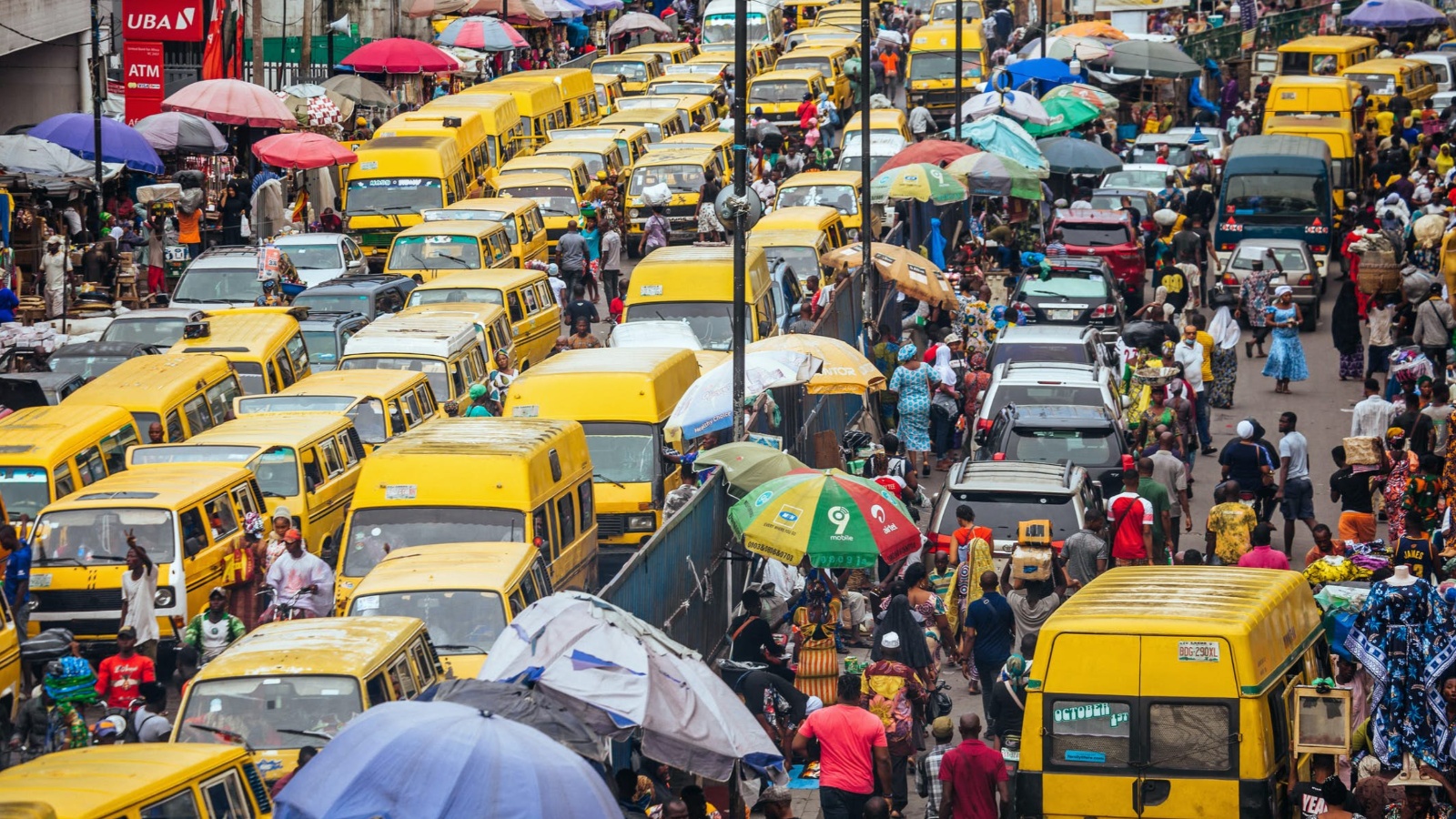
In the second quarter of 2022, the Nigerian government recorded a 46.70 per cent or N558.05bn year-on-year drop in the contribution of road transportation to the country’s economy.
At the end of the quarter in review, the road transport contribution to the Gross Domestic Product (GDP) was N636.80 billion, compared to the N1.19 trillion accounted for in the same period in 2022.
Join our WhatsApp ChannelOn a quarter-on-quarter basis, the contribution fell by 14.37 per cent or N106.89 billion according to Prime Business Africa’s analysis, when compared to the N743.69 billion reported in the first quarter (Q1) 2023.
Factors affecting road transport contribution to Nigeria’s GDP?
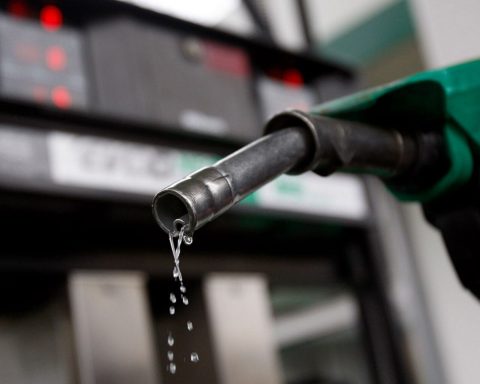
The decline in road transportation’s GDP contribution was amid a hike in the cost of Premium Motor Spirit, also known as petrol or fuel, between April to June 2023.
Prime Business Africa gathered from data obtained from the National Bureau of Statistics (NBS) showed that the average retail price of PMS rose to N254.06 in April 2023, compared to N172.61 in the first month of Q2 last year.
At the end of June 2023, the last month of Q2, the average price of fuel rose to N545.83, in contrast to the N175.89 reported in the same month in 2022.
The increase in petrol price led to the cost of transportation rising in the country during the same period under review, as the average fare paid by passengers for bus journey intercity per drop in April 2023 was N3,994.51 compared to April 2022, when it cost commuters N3,557.15.
In June 2023, the average fare paid by passengers for bus journey intercity per drop was N5,686.49. This is significantly higher when compared to the N3,662.87 fare paid in the corresponding month of June last year.
Similarly, the average fare paid by commuters for bus journeys within the city per drop was N648.12 in April 2023, in contrast to the N570.64 posted in April 2022.
The average fare paid by commuters for bus journeys within the city per drop soared to N1,285.41 in June 2023. On a year-on-year basis, compared to N582.61 recorded in June 2022.
During the review period, Prime Business Africa reported that car-hailing firm, Uber Nigeria, also announced an increase in fares to help drivers cover the recent increase in fuel costs and inflation rate. The fare adjustment, according to the firm, is to help drivers cover rising operating costs.
The significant increase in transportation cost reportedly affected road transportation passenger volume, as some companies adopted the work-from-home strategy to cushion the impact of rising transport fares on their workers.
While there are no records of passenger volume for road transportation, recall that during the period, videos had circulated on social media, purportedly showing Nigerians trekking on highways and buses stay longer at the parks before reaching passenger capacity.
Reason for the hike in petrol and road transport fares?
On 29 May 2023, during his inauguration speech, President Bola Tinubu said his administration would stop subsidising PMS to reduce government expenses and increase capital.
Following his comment, the Nigerian National Petroleum Company (NNPC) Limited increased the pump price from N189 per litre to N568 per litre, leading other private petrol stations to hike their fuel price.
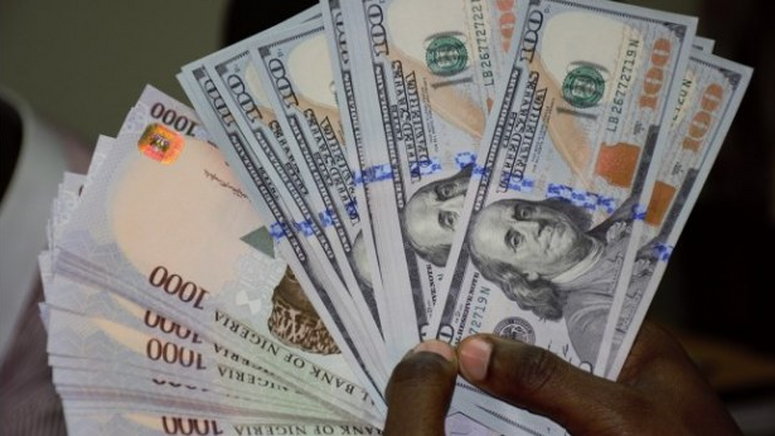
Already, oil marketers have been hinting to Nigerians that fuel prices could rise to N700 per litre due to depreciation of naira, as they buy petrol at about N700/$1 from the Nigerian National Petroleum Company (NNPC) Limited.
Meanwhile, despite the removal of fuel subsidies, the government hasn’t fully provided palliative to counter the cost of fuel and road transportation.
While some states have received funding, which is expected to be N5 billion per state, other state governments like Osun haven’t.
As the pump price rises, it increases the cost of living, discouraging Nigerians from taking as many road trips as they previously did, resulting in a possible decline in the number of passengers for road transportation.