 Victor Ezeja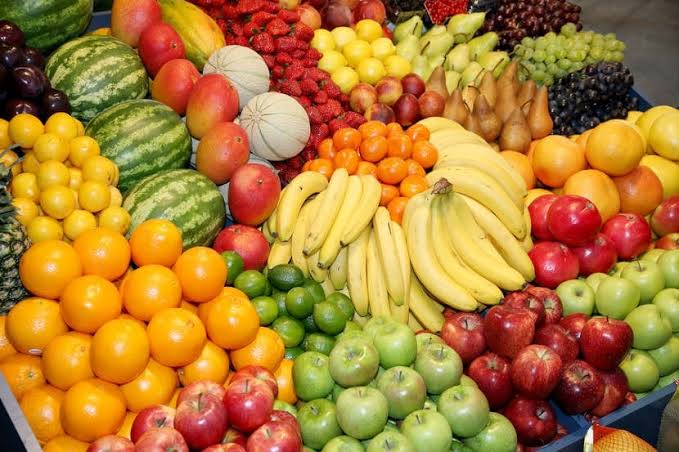
The National Agency for Food and Drug Administration and Control (NAFDAC) has warned that the consumption of fruits ripened artificially with some agents such as calcium carbide can cause cancer, kidney, heart and liver failures.
Director General of the agency, Prof Adeyeye, made this known on Tuesday, in Abuja, during the flag-off of the agency’s media sensitisation workshop on dangers of drug hawking and manipulation of fruits to ripe with calcium carbides.
Join our WhatsApp ChannelREAD ALSO: NAFDAC Alerts Nigerians To Contaminated Soft Drink In Circulation
Prof. Adeyeye explained that fruits ripened with calcium carbide can cause frequent thirst, irritation in the mouth and nose, weakness, permanent skin damage, difficulty in swallowing, vomiting, and skin ulcer.
She said the ripening of fruits with carbide is a public health challenge which the agency has come up with a multifaceted approach to tackle the menace.
According to her, “Fruits provide the body with micronutrients that improve immunity and prevent diseases among other benefits. Fruit ripening is a unique aspect of plant development, which makes the fruit edible, softer, sweeter, more palatable, nutritious, and attractive.
“However, the consumption of fruits such as mango, banana, plantain, guava, orange, grape, etc, or any other fruits ripened with calcium carbide is dangerous to health.
“Fruits artificially ripened with calcium carbide may be ripe on the skin, but the inside remains unripe. You can identify such artificially ripened fruits if you notice that the fruits are all yellow whereas the stem is dark, this is true, especially with bananas and plantains. In addition, naturally ripened fruits usually have brown or black spots, while those artificially ripened have traces of powdery substances and peel off quickly.”
The NAFDAC DG further said that the artificial ripening of fruits causes them to lose their properties such as colour, taste and feel, and such practice does not give the natural aroma and flavour to the fruits.
She said: “These fruits do not possess uniform colour and are less juicy than when ripened naturally and have a comparatively shorter shelf life. Calcium Carbide when sprayed with water reacts chemically to produce acetylene, which acts like ethylene and ripens fruits by a similar process.
“Calcium carbide generally contains impurities such as arsenic, lead particles, phosphorus and others that pose several very serious health hazards. Consumption of fruits containing these impurities may cause cancer, heart, kidney and liver failure. They may also cause frequent thirst, irritation in the mouth and nose, weakness, permanent skin damage, difficulty in swallowing, vomiting, skin ulcer and so forth. Higher exposure may cause undesired fluid build-up in the lungs.
“Acetylene produced by calcium carbide affects the neurological system and reduces oxygen supply to the brain and further induces prolonged hypoxia. The impurities are hazardous to pregnant women and children and may lead to headache, dizziness, mood disturbances, mental confusion, memory loss, swelling in the brain caused by excessive fluids, sleepiness, seizure, and others,” Adeyeye said.
She further explained that calcium carbide is alkaline in nature and erodes the mucosal tissue in the abdominal region and disrupts intestinal functions.
“Consuming such artificially ripened fruits could result in sleeping disorders, mouth ulcers, skin rashes, kidney problems and possibly even cancer. Other symptoms of poisoning include diarrhoea, burning or tingling sensation in abdomen and chest difficulty in swallowing, irritation in eyes, and skin, sore throat, cough, shortness of breath, and numbness,” she further revealed.
The NAFDAC DG disclosed that the agency has commissioned a scientific study on the best approach towards mitigating the health hazards posed by the ripening of fruits with carbides.

Victor Ezeja is a passionate journalist with seven years of experience writing on economy, politics and energy. He holds a Master's degree in Mass Communication.