

 Fakoyejo Olalekan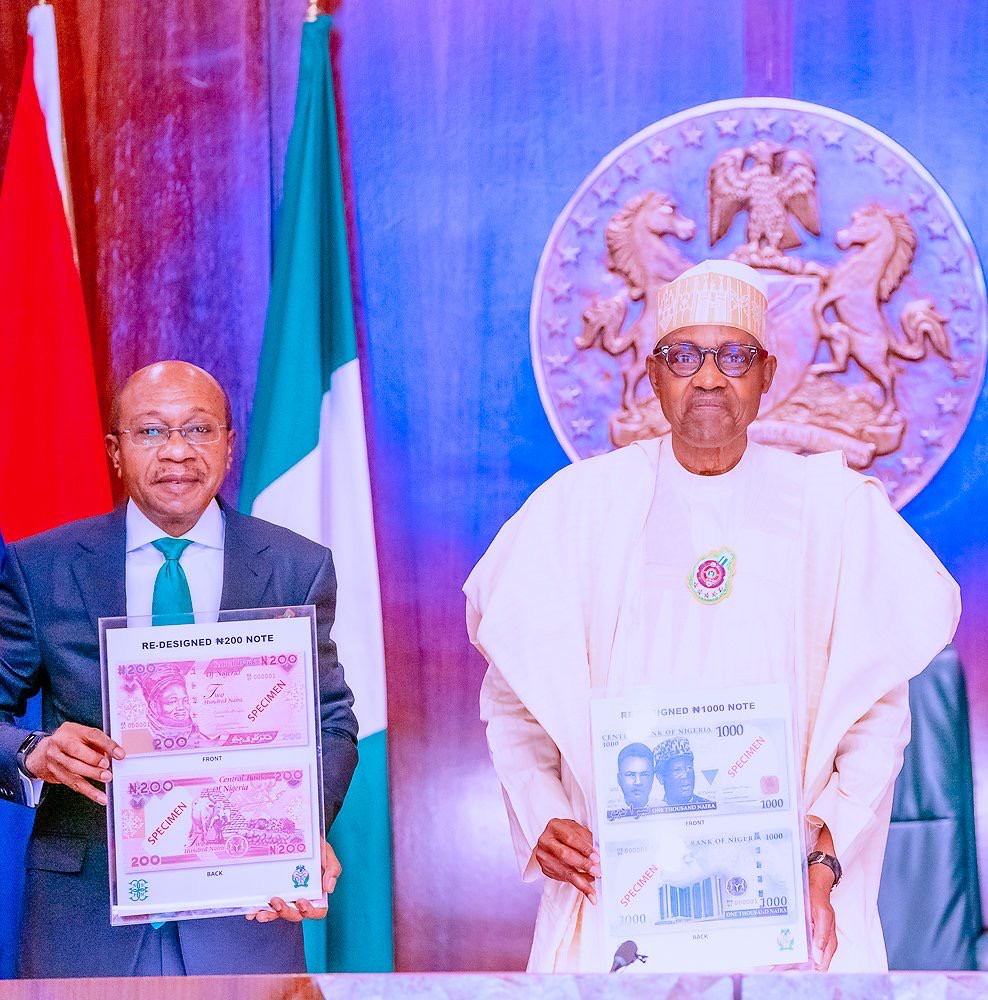
A new report by Stanbic IBTC has shown that the Naira redesign policy of the Central Bank of Nigeria (CBN) has negatively impacted the Nigerian economy.
The report, which covers February and titled “Stanbic IBTC Bank Nigeria PMI (Purchasing Managers’ Index),” said the economy has borne the brunt of the CBN Naira policy.
Join our WhatsApp ChannelExplaining the impact, the report said trading has broken down as buyers don’t have funds to purchase goods and services and companies are unable to acquire items needed for their businesses.
Prime Business Africa previously reported that the Naira redesign policy of the CBN had led to the Naira shortage, making it impossible for Nigerians to transact.
Stanbic IBTC cited that the Naira shortage resulted in the business condition of Nigeria dropping to 44.7 points in February, below the 53.5 points recorded in January.
According to the report, points below 50.0 indicate the business environment is deteriorating, while points above 50.0 signal an improvement.
In the first quarter of 2023, the PMI stated that the private sector was severely impacted, as substantial declines were “seen in both output and new orders, while firms scaled back their purchasing activity and employment.”
“The decline in operating conditions was the sharpest since the survey began in January 2014, excluding the opening wave of the COVID-19 pandemic in the second quarter of 2020.
“The most severe impacts of cash shortages were seen with regards to output and new orders, which both fell substantially as customers were often unable to secure the funds to commit to spending. The decline in new orders was the first since June 2020, while the fall in output ended a seven-month sequence of growth. In both cases, the reductions were the most pronounced in the survey’s history, apart from during the opening wave of the COVID-19 pandemic.
“With new orders and output falling, companies reduced their input buying and staffing levels accordingly. The declines were the first in 32 and 25 months respectively. The decrease in purchasing reflected not only a drop in customer demand but also difficulties for companies to find the funds to pay for items,” Stanbic IBTC said in the report.
The report went further to state that the private sector’s situation worsened due to the prevailing fuel shortage that hampered operations.
“Alongside cash shortages, the private sector was also impacted by a scarcity of fuel in February. This had a notable impact on suppliers’ delivery times, which lengthened for the first time in close to six-and-a-half years and to the greatest extent since April 2016.”












This blog is loaded with valuable information, thanks for sharing.
May God unleash the same type of difficulties on whoever being involved in naira redesigned