Fakoyejo Olalekan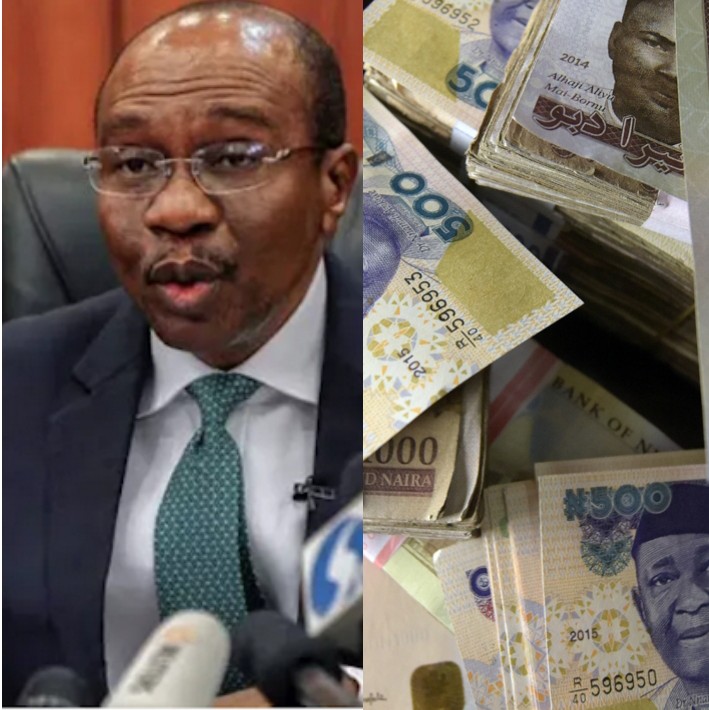
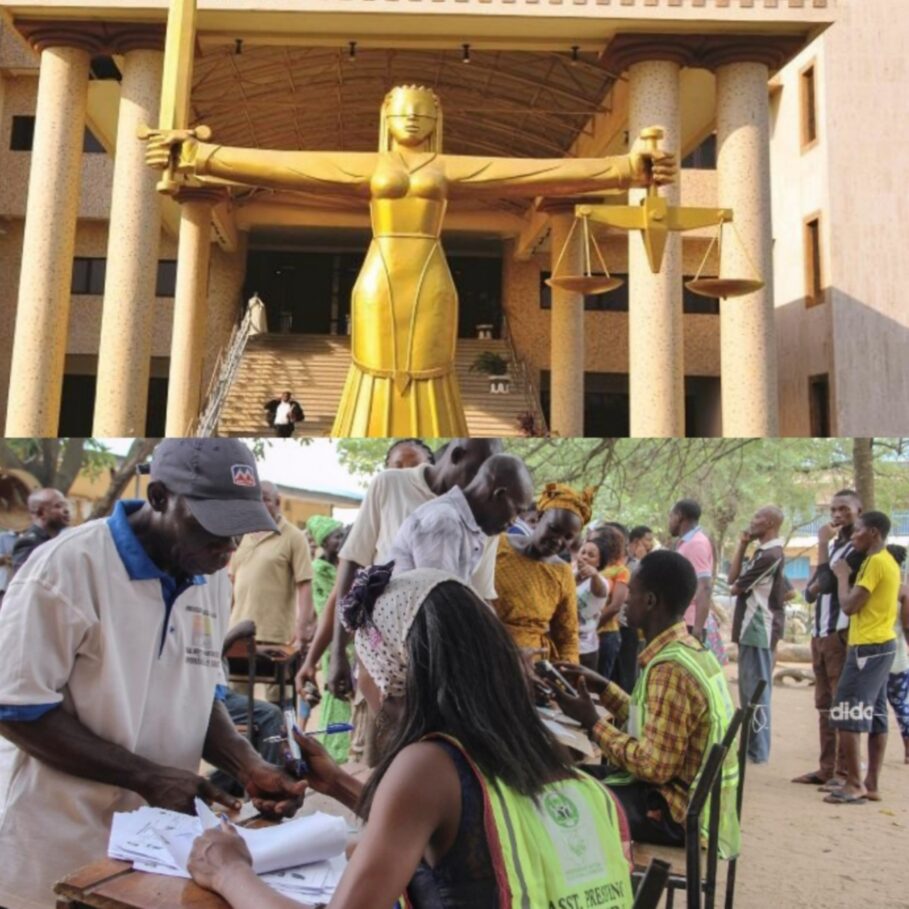
The Supreme Court on Friday, 3 March 2023, ruled that the old Naira notes remain legal tender till 31 December 2023, as it set aside the deadline of the Central Bank of Nigeria (CBN).
Delivering the judgement of the Supreme Court, Justice Emmanuel Agim said the naira redesign policy by the Federal Government was an affront to the 1999 Constitution.
Join our WhatsApp ChannelWhat you need to know
Prior to the judgement day, the Federal Government, Bayelsa and Edo states have tried to get the lawsuit filed by 16 states, led by Kaduna, Kogi and Zamfara, struck out by the Supreme Court.
Prime Business Africa had reported that the 16 states sued FG over the Naira redesign policy, which they stated has affected their citizens and led to hardship and chaos within their states.
The lawsuit was initially filed by Kaduna, Kogi and Zamfara, but 13 states joined in the suit, arguing that the deadline of 10 February 2023 was not conducive for the transition from old Naira notes to the redesigned banknotes.
They told the court that the CBN has not been able to sufficiently meet the demands of persons that deposited their money in the bank when they approach for withdrawal.
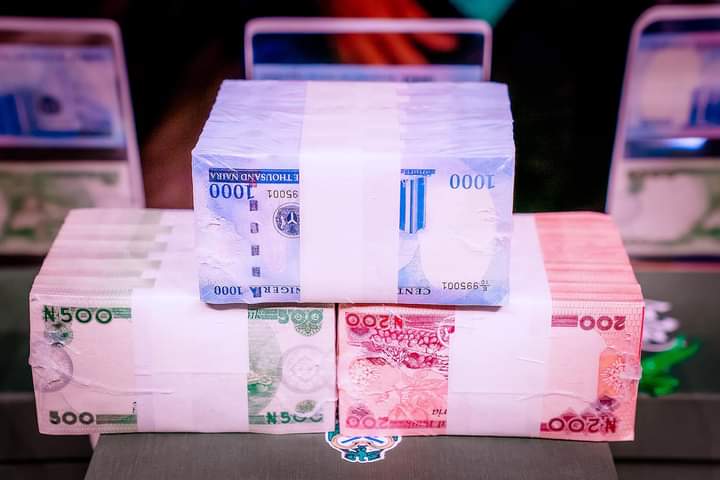
It was disclosed that the Naira redesign policy and the short time to phase out the old Naira notes led to the scarcity of the N200, N500 and N1,000 notes, resulting in an economic downturn within their states, as the inability of people to withdraw grounded cash-driven trades in their states.
Update on Supreme Court judgement
The Supreme Court rejected the application by FG, Bayelsa and Edo states to strike out the lawsuit from the 16 states after the Attorney of the Federal argued that the apex court doesn’t have jurisdiction on the matter.
FG said the states failed to join the CBN as defendants in the lawsuit despite the matter centring on the Naira redesign policy led by the central bank.
Justice Agim said the Supreme Court has jurisdiction on the matter and the 16 states not including the CBN as defendants were the right decision.
During the reading of the judgement, the judge cited the admittance of President Muhammadu Buhari during a nationwide broadcast where he said the CBN Naira redesign policy is enmeshed in various challenges.
The apex court also said President Buhari acted like a dictator by disobeying its ruling on 8 February 2023, when the Supreme Court said the old Naira N200, N500 and N1,000 notes remain legal tender.
Agim told the plaintiffs and the Defendants that in the modern age, the Naira redesign policy turned Nigeria into a country where the people adopted trade by barter in order to survive.
Governor Nasir El-Rufai of Kaduna State, Kogi State counterpart, Yahaya Bello and Zamfara State Governor, Bello Matawalle, were in court on Friday during the proceeding.