Nigeria’s Foreign Reserves Drop $2.20 billion, Increases Forex Problem

October 3, 2022
Naira Opens Week With Gain Across FX Markets
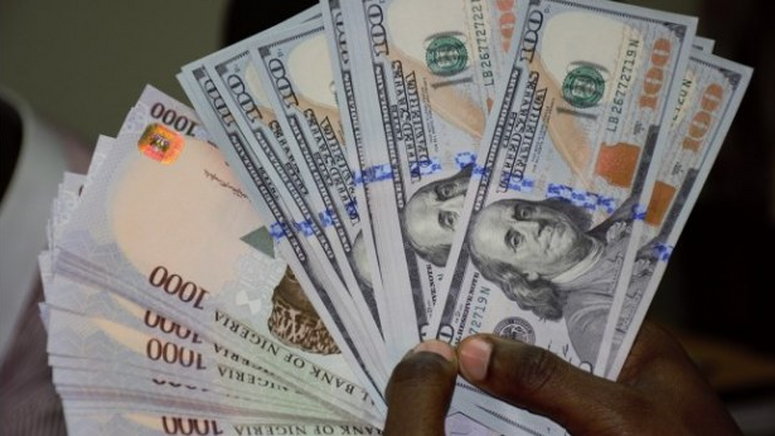
US dollars and Naira

As at September 29, 2022, Nigeria’s foreign reserves fell to $38.318 billion, further compounding the scarcity of foreign exchange in the country’s official forex market.

In the last Monetary Policy Meeting (MPR) in August, the governor of the Central Bank of Nigeria (CBN), Godwin Emefiele, had said, “the Committee noted the marginal increase of 0.39% in the level of external reserves to US$38.46 billion at end-August 2022 from US$38.31 billion at end-July 2022 despite continued demand pressure.” 

Join our WhatsApp Channel

However, in the last ten months, the country’s foreign reserves have dropped by $2.20 billion, which represents 5.42% decrease, from the $40.520 billion recorded as at December 31, 2021. 

Also, within one month of September, the foreign reserves depleted by $706 million from the $39.024 billion recorded on September 1, 2022. The reduction in the reserves means Nigeria didn’t benefit from the boom in crude oil price. 

Recall that crude oil had traded above $100 for a larger part of this year, resulting to high foreign exchange earnings for crude oil producing countries, but Nigeria couldn’t benefit due to oil theft, pipeline vandalism and its inability to increase fuel price over strike threat by the Nigeria Labour Congress (NLC). 

The oil industry is Nigeria’s major source of forex, but the sector has been contracting, with the non-oil sector saving the government’s revenue.  

During the MPC meeting, Emefiele said, “With crude oil price forecast to continue to moderate in the short to medium term, Members urged the Bank not to relent on the various policies put in place to support non-oil exports to shore up external reserves.”

+ posts

Featured Stories

Latest from Business News

Fuel Subsidy: World Bank Must Allow Africa’s Poor Breathe

World Bank Flags Taxes, Bribery as Constraints on Kenya Businesses

Written by Amanze Chinonye Kenya’s private sector faces higher costs and uncertainty from multiple taxes, regulatory hurdles and bribery, the World Bank said on Thursday, warning that the constraints are weighing on investment and business growth. While Kenya’s corporate income tax rate is

Rwanda Expands Fuel Imports Through Mombasa under Kenya Deal

Written by Amanze Chinonye Rwanda has begun importing bulk refined petroleum products through Kenya’s Mombasa port under a new government-to-government arrangement aimed at diversifying its fuel supply routes and strengthening energy security, with the first 40,000-tonne cargo arriving this week. Join our WhatsApp

Wealth Without Access is Stranded Wealth – Opiva Capital Chairman 

Written by Kamsiyochukwu Mbamalu The Chairman of Optiva Capital Partners, Franklin Nechi, has called on African entrepreneurs, investors and families to move beyond traditional wealth accumulation and embrace global access as a strategic tool for business growth, family security and intergenerational legacy. Nechi
Previous Story

Bybit Launchpool Lists The Angola Project Governance Token AGLA

Next Story

Strong growth in SA extends Talk360 seed funding to $7m

Don't Miss

EFCC

Fraudsters Forfeit Duplexes In Lekki, N200m, Luxury Cars To FG

House 2B, Bamidele Majiyagbe Street, Southern View, Chevy View, Lekki,

Fire, Death As Enugu Votes In 17 Councils

By Patient Leonard and Blessing Amarachi Azoribe It was a