Amanze Chinonye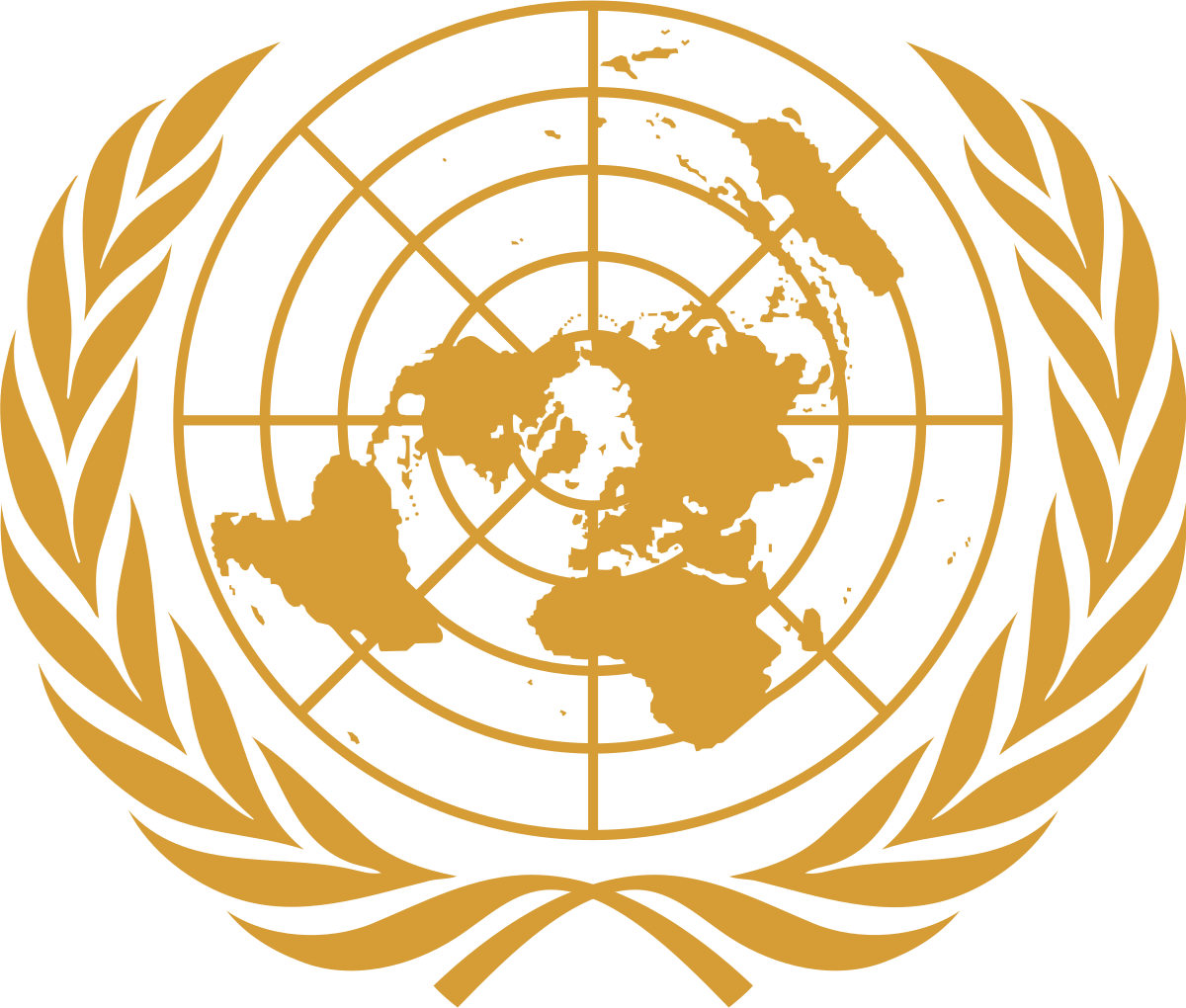
Nigeria’s election to the United Nations Human Rights Council for a three-year term beginning in January 2027 gives it a greater role in international human rights deliberations as allegations of abuses by security forces and violations linked to the conflict with Islamist militant group Boko Haram continue to draw scrutiny, Prime Business Africa reports.
Join our WhatsApp Channel
Nigeria secured 172 votes in a General Assembly ballot held in New York on Oct. 13, winning one of four seats allocated to African countries. Zambia received 177 votes, Ghana 173 and Burundi 160. The ballot recorded 181 valid votes.
READ ALSO :
Kenya’s Debt Burden Raises Questions Over IMF Lending Conditions
The council, a 47-member body based in Geneva, is mandated to promote and protect human rights, address alleged violations and make recommendations to governments. Its work includes investigating rights abuses and conducting the Universal Periodic Review, which assesses the human rights records of all UN member states.
Nigeria’s new term begins on Jan. 1, 2027, giving the country a role in shaping the council’s deliberations and responses to international human rights concerns. Membership, however, does not constitute an endorsement of a country’s domestic human rights record.
The election also highlights concerns about the council’s regional selection process. African countries nominated four candidates for the four available seats, leaving no competition within the regional group. Human rights organisations have criticised uncontested elections, arguing that they limit competition and scrutiny of candidates’ records.
The General Assembly elected 15 countries to the council for the 2027–2029 term. In the Asia-Pacific group, Kuwait and Nepal received 173 votes each, Jordan secured 171 and Japan 166. Moldova and Ukraine won the two seats allocated to Eastern Europe, with 168 and 162 votes respectively.
Brazil and the Dominican Republic each received 170 votes, while Uruguay secured 165 for the Latin American and Caribbean group. Ireland received 165 votes and Germany 163 to win the two seats allocated to Western Europe and other states.
READ MORE :
Funding MSMEs: The Loan That Transformed More Than a Business
Established in 2006 to replace the former UN Commission on Human Rights, the council has 47 members elected by the General Assembly for staggered three-year terms. Members are expected to uphold high human rights standards and cooperate with the council’s mechanisms.
Nigeria’s membership will give it a platform to participate in international efforts to protect human rights while placing its engagement with accountability mechanisms and its domestic human rights record in an international forum.

Amanze Chinonye is a Staff Correspondent at Prime Business Africa, a rising star in the literary world, weaving captivating stories that transport readers to the vibrant landscapes of Nigeria and the rest of Africa. With a unique voice that blends with the newspaper's tradition and style, Chinonye's writing is a masterful exploration of the human condition, delving into themes of identity, culture, and social justice. Through her words, Chinonye paints vivid portraits of everyday African life, from the bustling markets of Nigeria's Lagos to the quiet villages of South Africa's countryside . With a keen eye for detail and a deep understanding of the complexities of Nigerian society, Chinonye's writing is both a testament to the country's rich cultural heritage and a powerful call to action for a brighter future. As a writer, Chinonye is a true storyteller, using her dexterity to educate, inspire, and uplift readers around the world.